
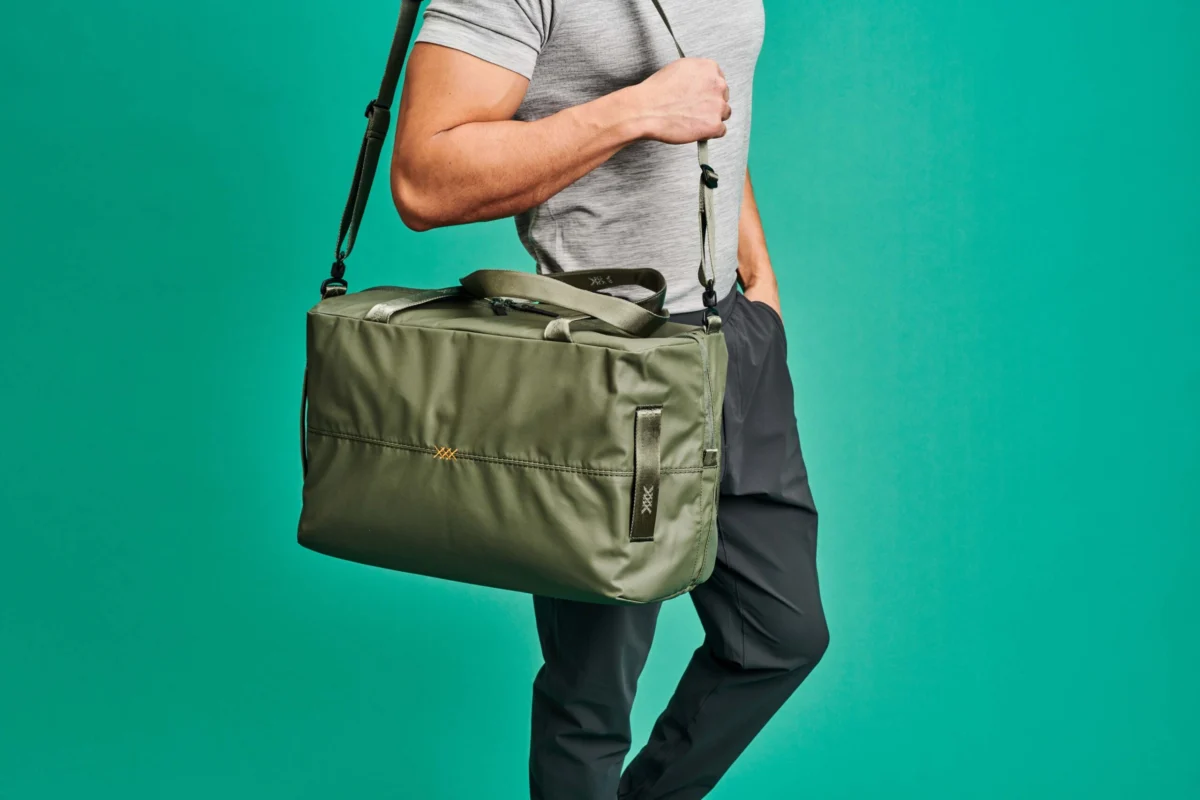
"The modern gym bag has transcended its role as a simple carrier for sneakers, evolving into a sophisticated piece of performance gear that bridges the gap between professional productivity and athletic rigor. As fitness culture merges with the hybrid work-life model, the demand for durable, multi-functional luggage has transformed a basic accessory into a vital tool for the high-performance individual."

This shift reflects a broader trend in the consumer goods market where utility and aesthetics must coexist to satisfy the "gym-to-office" lifestyle. Modern consumers no longer seek just a container; they require specialized compartments for technology, antimicrobial zones for used gear, and ergonomic designs that can withstand both the urban commute and rugged outdoor environments. By examining the latest innovations in materials—from high-denier Cordura to recycled poly-canvases—it becomes clear that the engineering behind these bags is as much about human biology and logistics as it is about fashion.
The Engineering of Versatility
In the current fitness landscape, the "one-size-fits-all" approach to gear has been replaced by a focus on modularity and adaptability. Leading the charge in this sector is the integration of multi-carry systems. The transition from a traditional duffel bag to a backpack is no longer a luxury but a functional requirement for those navigating public transit or long airport terminals. Lululemon’s 2-in-1 Travel Duffle Backpack (45L) exemplifies this evolution. By utilizing hidden, clippable straps, the bag allows for an immediate shift in weight distribution, moving the load from a single shoulder to a balanced posterior position. This is not merely a matter of convenience; it is an ergonomic necessity for a bag with a 45-liter capacity, which, when fully loaded with shoes, workout equipment, and a laptop, can reach weights that would cause significant muscular strain if carried unevenly.

The materials used in these high-capacity bags have also seen a technological upgrade. The use of recycled nylon and thermoplastic polyurethane (TPU) provides a water-repellent barrier that is essential for the "all-weather" commuter. These materials are chosen for their high strength-to-weight ratios and their ability to dry rapidly, preventing the growth of mildew—a common failure point in cheaper, cotton-based bags of the past.
Organizational Science and Hygiene
Perhaps the most significant advancement in gym bag design is the internal architecture. The "black hole" effect of traditional duffels—where small items are lost under layers of clothing—has been solved through advanced compartmentalization. The FocusGear Ultimate Gym Bag 2.0, for instance, utilizes a 10-compartment system. This includes dedicated "wet pockets" designed with waterproof linings to isolate sweat-soaked garments or swimwear from clean clothes and electronics.

The inclusion of specialized shoe compartments has also become a standard. For athletes with larger frames, such as those wearing men’s size 14 shoes, finding a bag that can accommodate footwear without sacrificing the main compartment’s volume was historically difficult. Modern designs now prioritize ventilated shoe tunnels, which allow for airflow to mitigate the accumulation of odor-causing bacteria. Mack Weldon’s Atlas Duffle takes this a step further by using a ventilated compartment in tandem with a recycled poly canvas shell, ensuring that while the shoes "breathe," the rest of the bag remains protected from external moisture.
The Rise of Specialized Performance Bags
As niche fitness activities like rucking—walking with a weighted pack—gain mainstream popularity, the market has responded with bags built for extreme physical stress. The GORUCK Rucker 5.0 represents the intersection of military-grade durability and civilian fitness. Constructed from 1000D Cordura, a fabric known for its exceptional resistance to abrasions, tears, and scuffs, this bag is designed to carry iron plates alongside a laptop.

The inclusion of lumbar support and specialized padding in these packs highlights a growing awareness of spinal health in gear design. Unlike a standard backpack, these performance packs are engineered to pull the weight close to the wearer’s center of gravity, reducing the shear force on the lower back. This level of specialization demonstrates that the "gym bag" is increasingly being viewed as an extension of the athlete’s training equipment rather than just a storage solution.
Aesthetic Integration and the "Office-Ready" Gym Bag
For the modern professional, a gym bag must be subtle enough to enter a boardroom without looking out of place. This has led to the rise of the "Carryall" aesthetic, championed by brands like Dagne Dover and Gymshark. The use of premium neoprene in the Dagne Dover Landon Carryall provides a sleek, high-tech look that mimics the softness of luxury fabrics while maintaining the water resistance of industrial materials. Neoprene is particularly valued for its "cushioning" effect, providing an extra layer of protection for tablets and laptops.

Similarly, the Gymshark Sleek Backpack focuses on a minimalist silhouette. By using 100% Thermoplastic Polyurethane, the bag achieves a rigid, structured look that resists the "slumping" often seen in fabric bags. This structural integrity ensures that the bag maintains its professional appearance even when it is only partially filled. Furthermore, the integration of meal-prep sections in these bags acknowledges the nutritional discipline of modern athletes, allowing them to carry temperature-sensitive food alongside their work and workout gear.
Sustainability and Longevity in the Supply Chain
As consumers become more environmentally conscious, the materials used in gym bags are undergoing a sustainable revolution. The shift toward recycled nylon and 100% recycled poly canvas is no longer just a marketing gimmick; it is a response to a demand for products that last longer and have a smaller carbon footprint. Brands are moving away from "fast fashion" bags that fray and tear within a year, toward high-denier fabrics and reinforced nylon straps that are "indestructible" under normal wear and tear.

The KNKG Core Duffel, for example, utilizes 500D nylon with a PVC backing. This combination is designed to survive the "outdoor" gym—gravel pits, concrete, and rainy fields. By investing in higher-quality materials, manufacturers are creating a "buy it once" culture that contradicts the disposable nature of previous decades. The addition of modular, heavy-duty dividers within these bags allows users to customize their storage as their needs change, further extending the product’s lifecycle.
Conclusion: A Tool for the High-Performance Lifestyle
The evolution of the gym bag reflects a broader cultural shift toward optimization. Whether it is the 3-in-1 versatility of a Lululemon duffle that fits into a cube-sized locker or the insulated pockets of a Mack Weldon bag designed for red-eye flights, these tools are built to remove friction from the user’s day.

In a world where time is a premium, the ability to transition seamlessly from a morning training session to a professional meeting, and then to a weekend getaway, is invaluable. The engineering of the modern gym bag—focusing on ergonomic weight distribution, antimicrobial material science, and modular organization—proves that even the most basic accessories can be elevated through intentional design. As we move forward, the integration of technology and sustainable materials will likely continue to push the boundaries of what a "gym bag" can achieve, solidifying its place as an essential component of the modern human’s daily kit.
