
"By fracturing the original protagonist into a married legal power couple, Apple TV+’s Cape Fear transforms a traditional revenge tale into a complex, modern exploration of institutional corruption and personal betrayal."
The evolution of Cape Fear from a 1950s suspense novel into a prestige television event represents a significant shift in how modern audiences consume psychological thrillers. While previous iterations focused on the binary struggle between a righteous lawyer and a singular predator, the new series leverages the expanded runtime of the "Golden Age of Streaming" to dismantle the moral certainty of its heroes. By casting Academy Award winners and involving cinematic legends like Steven Spielberg and Martin Scorsese as executive producers, the project positions itself not merely as a remake, but as a definitive contemporary deconstruction of John D. MacDonald’s original narrative.
The literary roots of this story date back to 1957, when John D. MacDonald published The Executioners. The novel introduced Max Cady, a man whose singular focus on destroying the life of the lawyer who put him behind bars tapped into a primal fear of the "unstoppable intruder." Over the decades, the story has been retitled Cape Fear to align with its cinematic counterparts, but the core remains a meditation on the fragility of the American domestic dream. The first film adaptation in 1962, starring Gregory Peck and Robert Mitchum, was a product of its time—a stark, black-and-white noir that played on the rigid moral codes of the early sixties. By 1991, Martin Scorsese reinterpreted the material through a lens of Catholic guilt and hyper-violence, with Robert De Niro delivering a transformative, tattooed performance that became a benchmark for cinematic villainy. Even pop culture giants like The Simpsons cemented the story’s legacy with the iconic "Cape Feare" episode, proving that the narrative of the vengeful convict is an indelible part of the Western zeitgeist.

Now, Apple TV+ has transitioned the story into the serialized format, a move that allows creator Nick Antosca to delve deeper into the psychological underpinnings of the characters than a two-hour film ever could. Antosca, known for his work on the surreal horror anthology Channel Zero and the hallucinogenic Brand New Cherry Flavor, brings a specific, unsettling aesthetic to the project. Under his guidance, this version of Cape Fear moves away from the "serious legal thriller" tropes and leans into a more atmospheric, "soapy" revenge horror. This tonal shift is signaled early by the work of composer Jeff Russo, whose score is described as "overpowering" and intentional, setting a mood of heightened reality where every twist is designed to elicit a visceral reaction from the viewer.
The most significant departure from the source material is the creative decision to split the original protagonist, Sam Bowden, into two distinct characters. In previous versions, Sam Bowden was a singular figure representing the law—a man whose past professional decisions come back to haunt his family. In the Apple TV+ series, this role is shared by Amy Adams as Anna Bowden and Patrick Wilson as Tom Bowden. This choice is a masterstroke of modern storytelling; Anna is Max Cady’s former defense attorney, while her husband, Tom, was the prosecutor on the same case. By making the couple romantically involved during the original trial, the series introduces a layer of ethical compromise and "optics" that didn’t exist in the 1962 or 1991 films. It suggests that the "justice" Cady received was tainted not just by incompetence, but by a conflict of interest at the heart of the legal system.
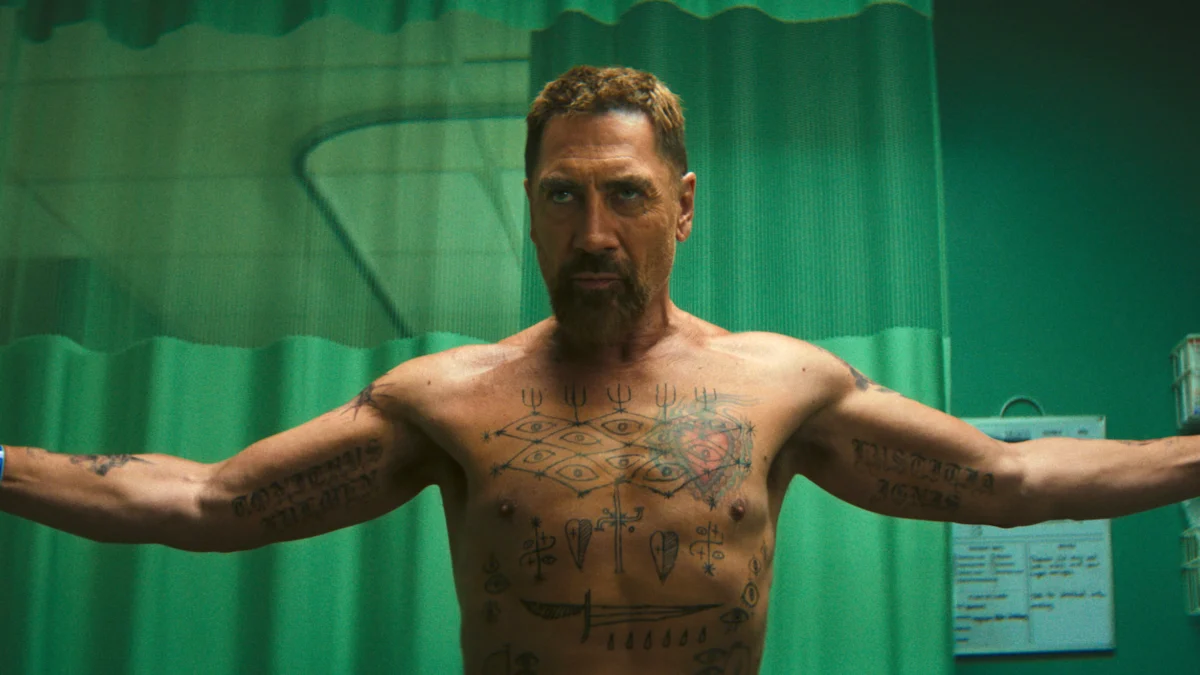
Javier Bardem takes on the mantle of Max Cady, a role that demands a rare combination of physical menace and intellectual manipulation. Bardem is no stranger to portraying iconic antagonists; his portrayal of Anton Chigurh in No Country for Old Men earned him an Academy Award and redefined the "unstoppable force" archetype. In Cape Fear, Bardem’s Cady is a modern monster—a man who emerges from prison not just with a grudge, but with the status of a public figure due to his eventual exoneration. This adds a layer of social commentary to the series, as Cady reinserts himself into the Bowdens’ lives under the guise of a victim of the state, making him a more complex and dangerous adversary than the simple "thug" depicted in earlier eras.
The involvement of Steven Spielberg and Martin Scorsese as executive producers serves as a bridge between the story’s prestigious past and its innovative future. Their presence ensures that the "sanctity" of the previous films is respected while providing the creative freedom necessary to modernize the plot. The setting is updated to the present day, allowing the show to explore how technology, social media, and modern legal scrutiny affect a decades-old vendetta. In an era where "true crime" is a dominant cultural obsession, the show’s focus on Cady’s public exoneration feels particularly timely, tapping into real-world anxieties about the fallibility of the judicial process.

Structurally, the series is designed to sustain tension over a ten-episode arc, a format that rewards patient viewers with intricate character development. The release schedule, which began on June 5 and concludes on July 31, follows the traditional weekly drop model that Apple TV+ has utilized for hits like Severance and Slow Horses. This strategy fosters a community experience, allowing for weekly theories and "water cooler" discussions as the plot thickens. The episode titles—ranging from the visceral "Fingers & Toes" to the ominous "The Scar"—suggest a journey that is as much about physical trauma as it is about psychological warfare.
As the series moves toward its finale, the stakes for Anna and Tom Bowden continue to escalate. The "fun, soapy" elements mentioned by critics do not detract from the show’s intensity; rather, they provide a stylistic flourish that distinguishes this Cape Fear from the grim-dark prestige dramas that often populate the streaming landscape. It is a show that understands its identity as a piece of high-end entertainment, leaning into the "gasp-worthy" moments and narrative "twists" that keep audiences returning week after week.
The success of the series also hinges on the chemistry between Adams and Wilson. Both actors are veterans of the genre—Adams with the psychological depth of Sharp Objects and Wilson with his long-standing association with the Conjuring universe. Their ability to portray a marriage under siege adds a necessary emotional anchor to the show. As Cady systematically dismantles their professional reputations and personal peace, the audience is forced to wonder if the Bowdens are truly innocent victims or if they are finally paying the price for a corrupt foundation they built years ago.
Ultimately, Apple TV+’s Cape Fear is a testament to the enduring power of MacDonald’s original concept. By adapting the story for a new generation, Nick Antosca and his team have proven that even the most familiar tales can be made fresh through bold casting and structural innovation. Whether you are a fan of the Mitchum original, the De Niro remake, or are coming to the story for the first time, this iteration offers a definitive, modern take on the high-stakes thriller. With only a few episodes remaining in the season, the show is poised to be the defining television event of the summer, leaving audiences to question where the line between justice and revenge truly lies.

Complete Release Schedule for Apple TV’s Cape Fear:
- Episode 1, “Fingers & Toes” – June 5
- Episode 2, “Why Would I Want to Hurt You?” – June 5
- Episode 3, “Phantom Sensations” – June 12
- Episode 4, “Pierced” – June 19
- Episode 5, “Faith” – June 26
- Episode 6, “Possum” – July 3
- Episode 7, “Mongrel” – July 10
- Episode 8, “Los tiempos de Dios son Perfectos” – July 17
- Episode 9, “The Scar” – July 24
- Episode 10, “TBA” – July 31
