
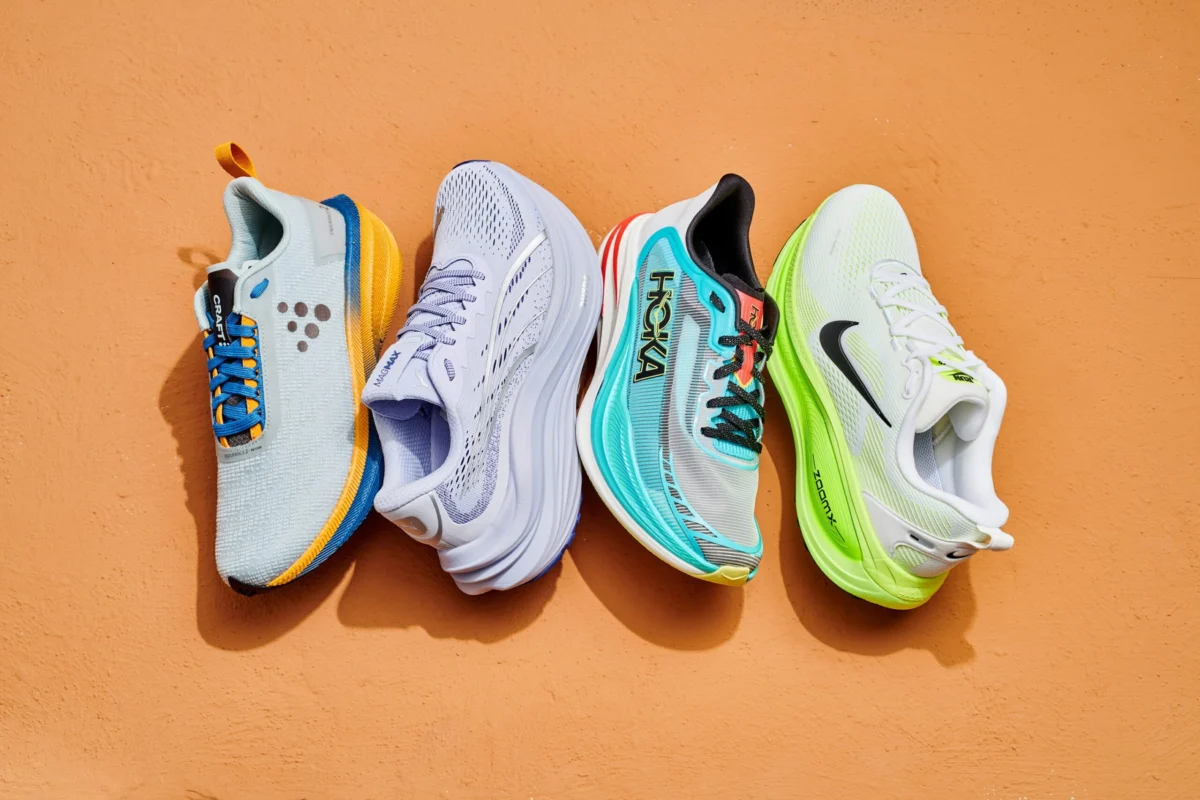
"The modern running landscape has shifted from simple cushioning to a sophisticated engineering race, where foam chemistry and plate geometry define the boundary between daily training and record-breaking performance."

The running shoe industry is currently undergoing a radical transformation, driven by a convergence of aerospace-grade materials and biomechanical research. What began with the introduction of carbon-fiber plates in elite racing models has now trickled down into every category of footwear, from recovery-day cruisers to versatile daily trainers. This evolution is characterized by the "stack height wars"—where midsoles grow thicker to provide more energy return—and the emergence of "super trainers," which offer race-day technology in a package durable enough for hundreds of miles of practice. As legacy brands like Nike and Adidas refine their decades-old icons, newcomers and performance-focused outliers are challenging the status quo with innovative foam formulations and minimalist-yet-effective designs.
The Specialized Elite: Pushing the Boundaries of Speed
At the pinnacle of the market are the "super shoes," designed specifically for race day. The Puma Fast-R Nitro Elite 3 represents the aggressive end of this spectrum. With a weight of just 6.1 ounces, it is among the lightest performance shoes available. Its geometry is unapologetically built for speed, utilizing a decoupled midsole and an exposed carbon fiber plate to provide a snappy, propulsive feel. This is complemented by Puma’s Nitro Elite foam, a nitrogen-infused material that offers explosive energy return.

In a similar vein, the Saucony Endorphin Elite 3 has carved a niche for itself by focusing on the "rocker" effect. The shoe utilizes a high-rebound midsole and a specialized TPE yarn upper that fits like a second skin. For runners chasing personal records in 5Ks or half-marathons, these shoes are less about comfort and more about mechanical efficiency, effectively acting as an extension of the runner’s musculoskeletal system to maximize forward momentum.
However, the elite category is no longer restricted to the major athletic corporations. Tracksmith, a brand traditionally known for its heritage-style apparel, has entered the fray with the Eliot Racer. By combining vintage aesthetics with a Pebax foam chassis and a carbon fiber plate, Tracksmith proves that high-performance technology can be housed in a design that honors the sport’s history. The Eliot Racer’s 38mm stack height is strategically distributed to provide stability in corners, making it a preferred choice for technical road races.

The Rise of the Super Trainer
Perhaps the most significant development in recent years is the "super trainer." These shoes, such as the Asics Megablast and the On Cloudmonster 3 Hyper, bridge the gap between heavy daily trainers and fragile racing flats. The Asics Megablast features an extra-bouncy high foam stack that allows runners to maintain high speeds during uptempo workouts without the punishing impact of traditional shoes. Weighing in at 7.7 ounces, it offers a level of responsiveness that was once reserved only for the most expensive racing models.
The On Cloudmonster 3 Hyper follows a similar philosophy. Utilizing On’s signature CloudTec technology and a specialized superfoam, it provides a plush ride that remains lively. This category of shoe is designed for the runner who wants the "fast" feeling of a super shoe every day, providing enough protection for long runs while remaining light enough for intervals.

Adidas has also contributed to this category with the Adizero EVO SL. Unlike its carbon-plated siblings, the EVO SL relies on a full-length Lightstrike Pro midsole without the addition of stiff rods or plates. At $150, it offers a relatively accessible entry point into high-performance foam technology, providing a "bouncy" and responsive ride that appeals to a wide range of running styles.
The Comfort Revolution: Max Cushioning and Recovery
While speed is a primary driver for many, the industry has not neglected the importance of recovery and joint health. The Nike Vomero 18 and the Asics Gel Nimbus 28 represent the peak of maximalist cushioning. The Vomero 18, in particular, showcases the trend of "stacking" different foam types. By layering PEBA-based ZoomX foam over a more stable ReactX base, Nike has created a shoe with a massive 46mm heel stack. While this adds weight—bringing the shoe to 11.5 ounces—the result is a "cloud-like" experience that protects the legs during high-volume training weeks.

The Asics Gel Nimbus 28 continues this focus on comfort with a meta-rocker sole designed to facilitate a smooth transition from heel to toe. This rounded shape reduces the workload on the ankle joint, making it an ideal choice for recovery runs where the goal is to keep the heart rate low and the impact minimal.
Similarly, the Hoka Clifton 10 remains an industry icon by balancing plushness with a surprisingly light weight. Hoka has managed to increase the cushioning in the 10th iteration while reducing the overall mass of the shoe. Its versatility has made it a favorite not just among runners, but also among professionals in healthcare and retail who spend long hours on their feet.

Refined Legacies: The Reliable Workhorses
For many runners, the "daily trainer" is the most important shoe in their rotation. These shoes must be durable, versatile, and dependable. The Nike Pegasus 42 is the quintessential example of this category. Now in its 42nd edition, the Pegasus has avoided radical redesigns in favor of incremental improvements. The latest version introduces ReactX foam, which provides a smoother ride than previous iterations while maintaining the signature Air Zoom units that have defined the shoe for decades.
The Brooks Ghost 18 serves a similar role for the neutral runner. It is a shoe that "just works," providing a balanced ride that is neither too soft nor too firm. Its reliability makes it a staple for those who want a consistent experience across all types of terrain and distances.

Innovation from the Fringes
The market is also seeing innovation from brands that are expanding beyond their original niches. Skechers, once viewed primarily as a lifestyle brand, has made serious inroads into performance athletics with the Aero Razor. By leveraging athletes like Harry Kane and OG Anunoby, Skechers is signaling a shift toward elite sports. The Aero Razor is a featherlight (6.9 oz) trainer that uses Hyper Burst Pro foam and an "H-wing" plate to encourage quick turnover, offering high-performance specs at a competitive $140 price point.
Another notable entrant is R.A.D., a brand with roots in the CrossFit community. Their UFO model emphasizes a "marshmallowy" comfort that transitions seamlessly from the gym to the road. By focusing on high energy return and a secure, flexible fit, R.A.D. is challenging the traditional boundaries between cross-training and dedicated running footwear.

Technical Convergence and the Future of Running
As we look toward the future, the distinction between different types of running shoes will likely continue to blur. The "heel drop"—the difference in height between the heel and the forefoot—is being standardized across many brands to between 6mm and 10mm to accommodate the widest range of gaits. Meanwhile, upper materials are moving toward engineered meshes and knits that provide targeted support without the need for heavy overlays.
The data suggests that the average runner is now more educated than ever about the technology beneath their feet. Whether it is the 9.0-ounce Adidas Hyperboost Edge, which reinvents the famous Boost foam for better energy return, or the Hoka Rocket X 3, which provides a stable platform for carbon-plated racing, the options available today allow for a highly personalized running experience.

In conclusion, the current era of running footwear is defined by choice. Runners can now select shoes based on specific physiological needs, race distances, or aesthetic preferences without sacrificing technical performance. From the aggressive geometry of the Puma Fast-R to the dependable comfort of the Brooks Ghost, the engineering in today’s footwear ensures that every mile is supported by the latest in material science. As foam technology continues to lighten and plates become more adaptive, the only remaining limit to performance is the runner themselves.
