
"The approval of bemotrizinol marks the end of a nearly three-decade regulatory stalemate, promising a new generation of sunscreens that offer superior broad-spectrum protection without the cosmetic drawbacks of traditional formulations."
This milestone decision by the U.S. Food and Drug Administration (FDA) introduces the first new ultraviolet (UV) filter to the American market since the late 1990s, potentially transforming how consumers—particularly men—approach daily sun protection. By addressing long-standing complaints regarding skin feel, residue, and efficacy, the arrival of bemotrizinol (BEMT) is expected to bridge the gap between clinical necessity and consumer compliance in the fight against skin cancer.

The Regulatory Breakthrough: Why Progress Stalled for Decades
For nearly 27 years, the American sunscreen market has been static, relying on a limited portfolio of active ingredients while the rest of the world transitioned to more advanced chemical filters. The primary reason for this delay lies in the FDA’s classification of sunscreen. Unlike in the European Union or Asia, where sunscreens are often regulated as cosmetics, the United States treats UV filters as over-the-counter (OTC) drugs. This classification requires any new ingredient to undergo a rigorous, multi-year drug approval process involving extensive safety and efficacy data.
The path to approval for bemotrizinol, also known as BEMT or by its trade name PARSOL® Shield, was exceptionally long. DSM-Firmenich, the company behind the ingredient, began its efforts to secure U.S. approval as early as 2002. For over two decades, the application languished in a complex regulatory environment. A significant turning point occurred in 2020 with the passage of the Coronavirus Aid, Relief, and Economic Security (CARES) Act. Beyond its primary focus on pandemic relief, the act included provisions to reform the OTC monograph system, streamlining the process for the FDA to review and approve new sunscreen ingredients. BEMT is the first beneficiary of this modernized system, signaling a new era for American dermatological health.
Understanding Bemotrizinol: The Science of Superior Protection
Bemotrizinol is a fat-soluble organic compound that provides "broad-spectrum" protection, meaning it is highly effective at absorbing both UVA and UVB rays. To understand its importance, one must distinguish between the two types of radiation. UVB rays are primarily responsible for the immediate, visible damage to the skin, such as sunburns. UVA rays, however, penetrate deeper into the dermis. They are the primary drivers of premature aging (photoaging) and play a critical role in the development of skin cancer by damaging the DNA within skin cells.

While current U.S. sunscreens do an adequate job of blocking UVB, many chemical formulations struggle with UVA stability. Avobenzone, the most common UVA filter in the U.S., often breaks down quickly when exposed to sunlight unless it is paired with specific stabilizers. Bemotrizinol is inherently photostable, meaning it does not lose its effectiveness during sun exposure. Furthermore, because it is oil-soluble, it integrates seamlessly into lightweight, clear formulations. This allows for a "cosmetic elegance" previously unavailable in high-SPF American products, eliminating the greasy texture and the notorious "white cast" often associated with mineral filters like zinc oxide and titanium dioxide.
Overcoming the "Grooming Gap" in Men’s Health
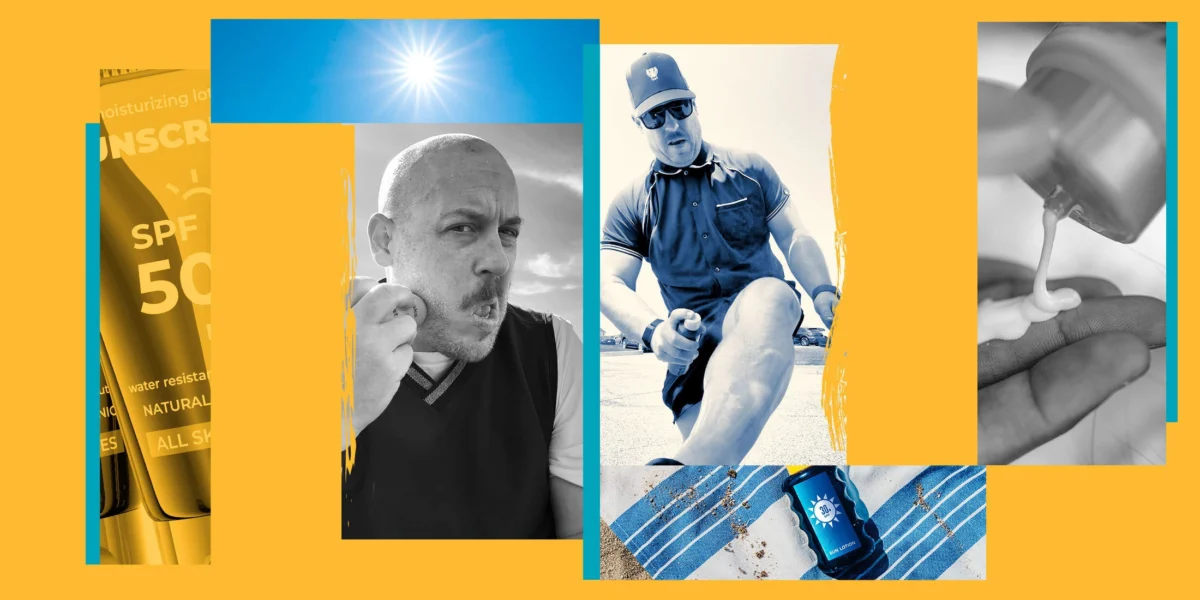
The introduction of BEMT-based products could be the key to solving a persistent public health challenge: the low rate of sunscreen use among men. Statistics indicate that approximately 83 percent of men do not wear sunscreen on a daily basis. The reluctance often stems from the sensory experience of traditional products. Many men cite the heavy, sticky feeling of lotions, the tendency for products to sting the eyes during physical activity, or the visible residue left on facial hair as primary reasons for skipping protection.
The clinical consequences of this "grooming gap" are severe. Projections for 2026 suggest that 65,000 American men will be diagnosed with melanoma, and roughly 5,500 will die from the disease. Men consistently show higher melanoma mortality rates than women, particularly after the age of 50. Dermatologists emphasize that the skin is the body’s largest organ, and neglecting its protection while focusing on other health metrics—such as supplements or fitness—is a fundamental oversight in a longevity-focused lifestyle.

The Global Context: Lessons from the "Gray Market"
While BEMT is new to the United States, it has been a staple of international skincare for years. In Europe and Asia, particularly in Japan and South Korea, sunscreens are celebrated for their watery, serum-like textures. Products like the Japanese formulation of Bioré Aqua Rich Watery Essence have gained a cult following in the U.S. via the "gray market"—unauthorized import sites like YesStyle or Stylevana.
American consumers who have sought out these international formulas often report a vastly superior experience, particularly for reapplication. For active individuals, such as golfers or runners, the ability to reapply sunscreen without creating a slippery grip or a "hostage crisis" level of facial sweat is a game-changer. The FDA’s approval of BEMT means that these advanced, high-performance textures will soon be available legally and safely through domestic retailers like CVS and Walgreens. Neutrogena has already confirmed plans to integrate BEMT into its innovation pipeline, suggesting that the first domestic products could arrive on shelves in the near future.
Current Best Practices: Bridging the Gap
Until BEMT-formulated sunscreens become widely available in the U.S., dermatologists recommend sticking to the highest-quality domestic options currently on the market. The goal is to find a formula that removes the friction of daily use. For those looking for the best currently available options, the following categories represent the peak of U.S. sunscreen technology:

1. The Invisible Daily Driver
For men who prioritize a "no-product" look, clear chemical gels are the current gold standard. Products like Supergoop! Unseen Sunscreen offer a matte finish that acts almost like a primer, sitting invisibly on the skin without a hint of shine. This is ideal for professional environments or daily errands where a greasy face is undesirable.
2. Hydration-Focused Serums
For those with dry skin or those who spend significant time in climate-controlled offices, hydrating sunscreens are beneficial. Ingredients like glycerin and hyaluronic acid, found in products such as COOLA Refreshing Water Cream or Kiehl’s Better Screen UV Serum, provide the benefits of a high-end moisturizer alongside SPF 50 protection. These formulas sink in rapidly and are designed to leave the skin feeling refreshed rather than congested.
3. High-Performance Mineral Filters
While chemical filters are lauded for their transparency, mineral (physical) filters remain a favorite for those with sensitive skin. Modern mineral formulas have improved significantly. Brands like Freaks of Nature and Oars & Alps have developed "performance" mineral lotions that are designed to stay put during intense physical activity. While they may require slightly more effort to rub in, they provide a robust physical barrier that is highly effective for long days at the beach or on the golf course.

The Path Forward
The approval of bemotrizinol is more than a regulatory update; it is a vital advancement in preventative medicine. By allowing for sunscreens that are easier to wear, the FDA is removing the final excuses for non-compliance. As these new ingredients begin to populate the shelves of American pharmacies, the conversation around skincare can shift from "should I wear it?" to "which formula do I prefer?"
For the modern man, sun protection is an essential component of a comprehensive health regimen. With the arrival of next-generation filters like BEMT, the ability to protect the body’s largest organ from cancer and aging has never been more accessible or more comfortable. The "Knicks championship" of dermatology has arrived, and the resulting innovations are poised to save lives and improve the daily grooming routines of millions.
