
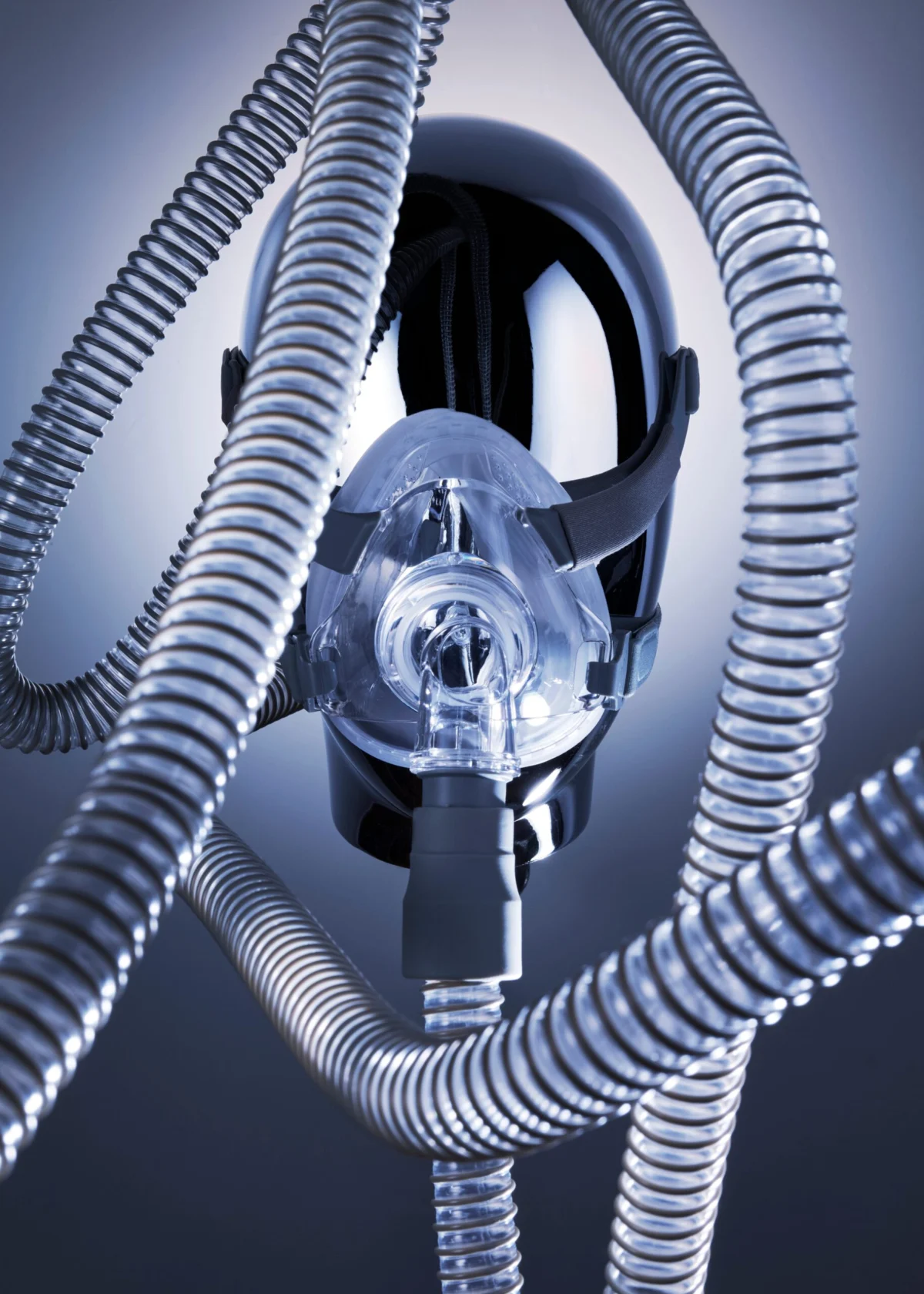
"Obstructive sleep apnea is a silent epidemic that starves the brain of oxygen and the body of life, yet for decades, patients have been forced to choose between a life-threatening condition and an intolerable mask."

For millions of people, the diagnosis of obstructive sleep apnea (OSA) marks the beginning of a complex struggle between the necessity of treatment and the physical discomfort of the medical devices designed to save them. While the Continuous Positive Airway Pressure (CPAP) machine has long been the undisputed gold standard of care, a new era of sleep medicine is emerging—one defined by pharmacological breakthroughs, surgical implants, and custom oral appliances that promise to liberate patients from the "octopus" of flexible tubing and facial masks.
Landon, a 39-year-old hair stylist from Chicago, represents a demographic often overlooked by traditional sleep medicine: the fit, relatively young individual who does not fit the "tired, overweight" stereotype of a sleep apnea patient. For years, Landon attributed his morning headaches and sinus pressure to allergies. He tried nasal strips and antihistamines to no avail. It was only after a conversation with a client that he considered a sleep study. The results were definitive: Landon had sleep apnea, just like his father. However, the solution—a CPAP machine—felt like a new kind of torture.

"Adjusting to my CPAP was awful," Landon recalls. "At first, I felt like I was being suffocated, like an octopus was wrapping its tentacles around my head while I was sleeping." His experience is far from unique. The tubing is unwieldy, the masks can induce claustrophobia, and the constant pressure of forced air can make the simple act of exhaling feel like a battle. Landon’s struggle became so acute that he sought anti-anxiety medication just to tolerate the device. While he eventually made peace with the machine, many others simply give up, leaving their condition untreated and their health in peril.
The scale of this crisis is staggering. Public health experts estimate that nearly 84 million adults in the United States suffer from obstructive sleep apnea. Even more concerning is the fact that approximately 80 percent of these cases remain undiagnosed. Men are particularly at risk, with studies indicating they meet the diagnostic criteria for OSA at twice the rate of women. The consequences of ignoring the condition are brutal: untreated sleep apnea is a direct pipeline to heart attacks, strokes, mood disorders, cognitive decline, and premature death.

At its core, OSA is a mechanical failure of the body. As a person sleeps, the muscles in the back of the throat relax. For those with apnea, this soft tissue—including the tongue and soft palate—collapses backward, partially or completely blocking the airway. This causes a drop in blood oxygen levels, triggering the brain to "wake up" the body just enough to resume breathing. These micro-arousals can happen dozens of times per hour.
Clinical severity is measured by the Apnea-Hypopnea Index (AHI). A score of 5 to 15 indicates mild OSA; 15 to 30 is moderate; and 30 or above is severe. In extreme cases, patients may have an AHI over 60, meaning their breathing is interrupted more than once every minute. This constant state of physiological stress leaves patients in a "zombie-like" state during the day, crushing their ability to concentrate, regulate emotions, or perform at work.

The CPAP machine works by acting as a "pneumatic splint," using a motor to force air through a mask to keep the airway open. Despite its effectiveness, adherence is notoriously low. A 2025 study of nearly 2,000 CPAP users found that only 45 percent achieved high adherence—defined as using the device for at least four hours a night on 70 percent of nights. Another study showed that adherence could drop as low as 38 percent after just three months.
Patient trust in CPAP technology was further shaken by the massive 2021 recall of 15 million devices manufactured by Philips Respironics. The machines contained a polyester-based foam used for sound abatement that could degrade and be inhaled or swallowed by users. The FDA received tens of thousands of reports linking the degraded foam to respiratory issues and even cancer. For patients like Kevin Ladow, a 59-year-old former mortgage underwriter, the recall was personal. Ladow is convinced his machine contributed to his lung cancer diagnosis. Now in remission and using a different brand of CPAP, he remains committed to treatment but deeply wary of the technology.

Fortunately, the landscape of OSA treatment is undergoing a radical transformation. For those who cannot tolerate CPAP, several alternatives are moving into the mainstream.
One of the most prominent alternatives is the hypoglossal nerve stimulator, most notably the Inspire device. This is a small system surgically implanted under the skin of the neck and chest. When the patient sleeps, the device sends mild electrical pulses to the nerves that control the tongue, moving it forward and keeping the airway open. While effective—reducing AHI scores by an average of 17.5 in clinical reviews—it is not a universal fix. Patients must meet specific BMI requirements and undergo an endoscopic evaluation to ensure their airway collapses in a way the device can correct.

For mild to moderate cases, Mandibular Advancement Devices (MADs) offer a non-surgical, non-mechanical option. These custom-fit mouth guards, provided by dentists, work by physically pulling the lower jaw forward to create more space in the back of the throat. Recent studies suggest that for severe sufferers, these devices can still reduce breathing disruptions by up to 73 percent. However, they often come with high out-of-pocket costs and can cause long-term jaw alignment issues.
Perhaps the most exciting frontier is pharmacological. In December 2024, the FDA approved Zepbound (tirzepatide) as the first prescription drug to treat OSA in overweight individuals. While originally marketed for weight loss, the drug’s ability to reduce fat and inflammation in the neck and tongue area has shown remarkable results in improving airway stability.

Even more revolutionary is the "sleep apnea pill" currently in development by companies like Apnimed. Their lead candidate, AD109, is a neuromuscular modulator that targets the biological cause of airway collapse rather than relying on mechanical force. In Phase 3 clinical trials, the pill showed a 56 percent reduction in breathing disruptions. If approved—with an application expected in 2026—it could turn a complex, hardware-heavy treatment into a simple nightly ritual.
Despite these advancements, the biggest hurdle remains diagnosis. Many primary care physicians receive as little as two hours of sleep education during medical school. Sleep specialists argue that "Do you snore?" and "Are you tired during the day?" should be treated as vital signs, as essential as blood pressure or heart rate. The rise of wearable technology, such as smartwatches that track blood oxygen levels (SpO2) and sleep stages, is beginning to fill this gap, empowering patients to bring data to their doctors and demand investigation.

The journey to a restful night’s sleep for an apnea sufferer is rarely a straight line. For Martin, a 40-year-old sales manager, it meant turning down a promotion and struggling through naps before finally finding relief with a custom mandible device. "I’m back to normal again," he says. "I’ve got the energy to exercise."
Whether the solution is a mask, a pill, an implant, or a mouth guard, the goal remains the same: restoring the breath of life. As the medical community moves toward a more personalized approach to sleep health, the hope is that no one will have to choose between a "medieval" machine and a life-shortening condition. The nightmare of sleep apnea is finally meeting its match in the light of modern science.
