
"The most successful nutritional strategy is one that replaces the psychology of restriction with a goal-oriented framework tailored to an individual’s biological needs and lifestyle constraints."
In the modern landscape of health and wellness, the term "diet" has often been weaponized as a synonym for deprivation, yet leading nutritional experts are shifting the narrative toward sustainable, functional eating. By moving away from "black-and-white" categorizations of food, men can adopt dietary patterns that prioritize metabolic health, muscle protein synthesis, and cardiovascular longevity without sacrificing the joy of eating. This evolution in sports nutrition emphasizes the "why" behind food choices—aligning caloric intake and nutrient density with specific physical and cognitive performance goals.
The Paradigm Shift: From Restriction to Quality
When men seek nutritional guidance, they are often searching for a "best" diet—a singular, magic-bullet solution for fat loss or muscle gain. However, registered dietitians (RDs) are increasingly vocal about the fact that no such universal diet exists. Instead, the focus has shifted to the "Quality Diet," a concept that integrates accessibility, diversity, and consistency. As Dezi Abeyta, RD, founder of Foodtalk Nutrition, explains, a quality diet is not defined by what it excludes, but by its inclusion of protein-rich, plant-forward, and nutrient-dense whole foods.
The distinction between a high-quality diet and one with "room for improvement" often boils down to socioeconomic factors and education. A diet lacking in nutrient density is frequently characterized by high levels of added sugars and ultra-processed foods, often due to a lack of access or time. Conversely, a sustainable diet is one that can be maintained over decades, not weeks. It accounts for cultural preferences, financial realities, and the occasional indulgence, such as a cheeseburger or a cookie, which prevents the psychological burnout associated with overly restrictive regimens.
1. The Flexitarian Approach: Plant-Forward Performance
For men focused on high-level performance and long-term disease prevention, the flexitarian or "semi-vegetarian" diet offers a middle ground between veganism and the traditional meat-heavy Western diet. This approach emphasizes legumes, nuts, seeds, and whole grains while allowing for high-quality animal proteins in moderation.
The biological advantage of the flexitarian diet lies in its micronutrient profile. By increasing the intake of plant-based foods, men consume higher levels of fiber and phytonutrients, which are essential for gut health and systemic inflammation reduction. Clinical research suggests that this distribution of macronutrients is strongly linked to a reduced risk of Type 2 diabetes and cardiovascular disease. For the active man, this means better blood flow, improved recovery times, and a leaner body composition without the social or nutritional limitations of strict vegetarianism.
2. The Balanced Performance Diet: Fueling Hypertrophy
When the primary objective is muscle growth and physical recovery, the "Balanced Performance Diet" becomes the gold standard. This regimen is built on three pillars: ample protein intake, strategic caloric distribution, and anti-inflammatory support. Experts recommend a protein threshold of 1.7 to 2.0 grams per kilogram of body weight per day to support muscle protein synthesis and repair tissues damaged during resistance training.
Beyond protein, this diet prioritizes "strategic fueling." This involves timing carbohydrate intake around training sessions to maximize glycogen stores and ensuring that caloric intake remains sufficient to support a state of "progressive overload"—the gradual increase of stress placed upon the body during exercise. Furthermore, this approach integrates lifestyle factors such as quality sleep and stress management. Without these recovery pillars, even the most precise macronutrient ratios will fail to produce optimal results, as chronic cortisol elevation can lead to muscle wasting and fat retention.
3. Global Gastronomy: Closing the Nutrient Gap
One of the most overlooked aspects of nutrition is cultural diversity. The "Eating Around the World" diet promotes the inclusion of diverse global cuisines, which naturally introduces a wider spectrum of vitamins and minerals into the body. Many Western diets are monolithic, relying on a narrow range of staple crops and proteins, which can lead to subclinical nutrient deficiencies.

By embracing the culinary traditions of Asia, Africa, the Mediterranean, and the Americas, men can access a broader array of antioxidants and healthy fats. For instance, the inclusion of spices like turmeric (common in South Asian cuisine) or fermented foods (staples in East Asian diets) can significantly improve markers for blood pressure, cholesterol, and digestive health. This approach fosters a healthier relationship with food by treating eating as an exploratory, culturally rich experience rather than a mathematical chore.
4. The Mediterranean Standard: The Longevity Benchmark
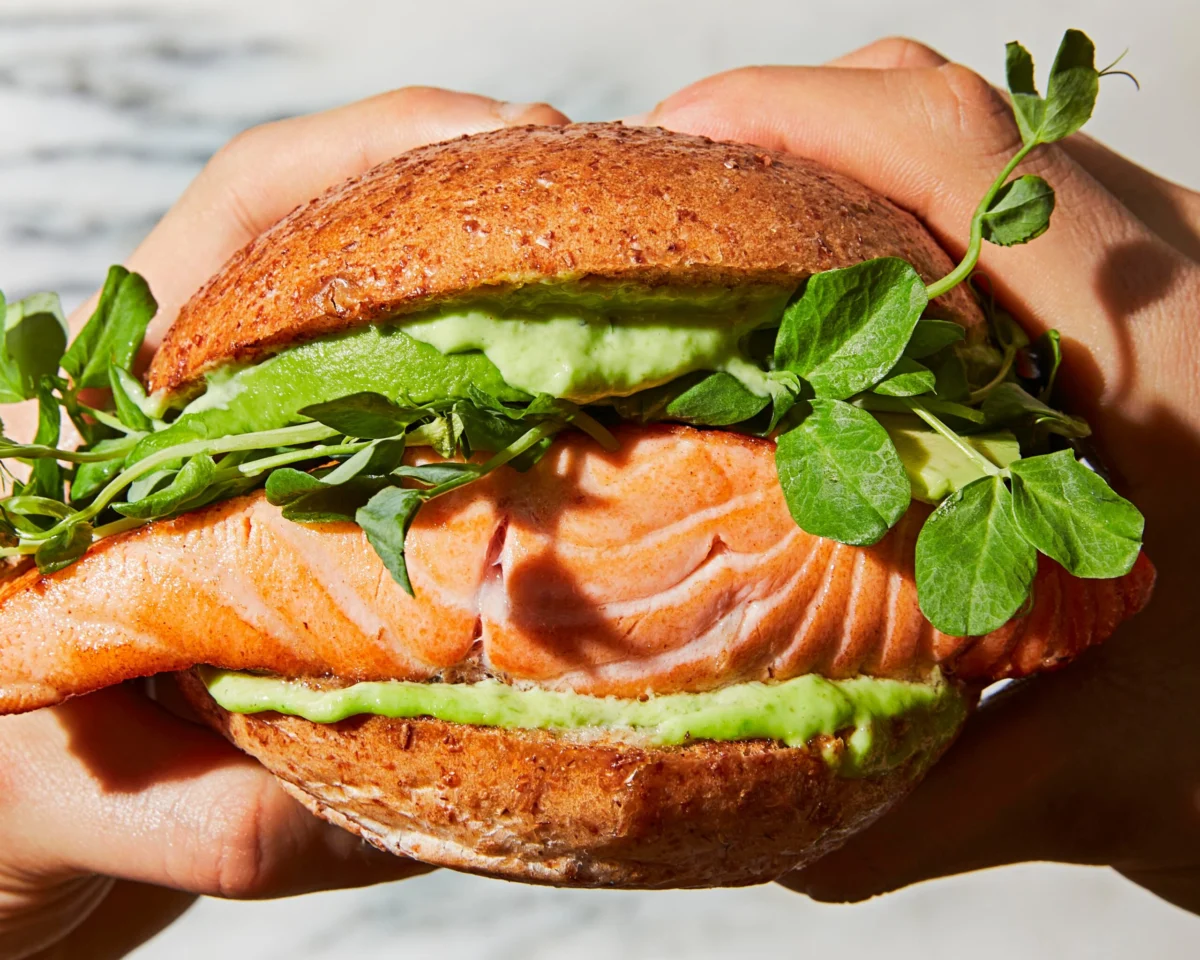
Perhaps the most researched dietary pattern in history, the Mediterranean-style diet remains a cornerstone of men’s health. Its focus is on heart-healthy fats—primarily from olive oil and fatty fish—alongside an abundance of produce and legumes. In this model, animal protein is treated as a "side dish" rather than the centerpiece of every meal.
The Mediterranean diet is particularly effective for men because of its "staying power." The high fiber content from whole grains and beans provides a sense of satiety (often referred to as "the chew") that prevents overeating. Because it is rich in Omega-3 fatty acids and polyphenols, it is an exceptionally powerful tool for combating the internal inflammation that leads to heart disease and cognitive decline in aging men. It is a diet designed for "filling up, not out," ensuring that caloric intake is high in volume but managed in density.
5. Intermittent Fasting: The Psychology of Timing
Intermittent Fasting (IF), or time-restricted eating, has gained massive popularity not necessarily because of what is eaten, but when. By designated a specific window for consumption—typically an eight-hour window—men can simplify their nutritional decision-making.
As Leslie Bonci, MPH, RDN, notes, shortening the hours of consumption is often easier for men to follow than strictly altering the types of food they eat. This is particularly beneficial for those who struggle with "night eating," a habit often driven by boredom or stress rather than physiological hunger. By eliminating late-night calories, many men find they can maintain a caloric deficit more comfortably. While IF is not a license to eat poor-quality food, its structure provides a psychological "hard stop" that can be transformative for weight management and metabolic flexibility.
6. Volumetrics: Maximizing Satiety for Weight Loss
For men looking to lose weight without the constant sensation of hunger, Volumetrics offers a scientifically backed solution. The principle of Volumetrics is to lower the energy density of meals while increasing their physical volume. This is achieved by incorporating foods with high water and fiber content, such as soups, stews, salads, and chilis.
The effectiveness of Volumetrics is rooted in the biology of the gut. The stomach has "stretch receptors" that signal fullness to the brain based on the physical volume of food, regardless of its caloric count. By starting a meal with a large salad or a broth-based soup, a man can trigger these receptors early, leading to a natural reduction in the consumption of more calorie-dense items like bread or fatty meats. This principle also applies to smoothies and shakes, where the addition of ice, frozen fruit, and vegetables can create a massive, filling meal for a fraction of the calories found in a standard fast-food meal.
Conclusion: The "Why" Before the "Try"
Ultimately, the transition from a "bad" diet to a "quality" diet requires a fundamental understanding of personal objectives. Whether the goal is to get "shredded," improve cardiovascular markers, or simply have more energy for work and family, the diet must be flavorful, accessible, and sustainable.
As Leslie Bonci emphasizes, we must provide the "why" before a man is willing to try a new way of eating. By viewing food as a tool for performance and a vehicle for cultural connection—rather than an enemy to be defeated—men can build a nutritional foundation that supports a long, active, and healthy life. The best diet is not the one found in a celebrity magazine; it is the one that fits into a man’s life, supports his physical demands, and remains enjoyable enough to follow for a lifetime.
