

"Zone 2 training transforms the body’s cellular architecture, building high-capacity mitochondria that serve as the fundamental engine for both elite athletic performance and long-term metabolic health."
For years, the fitness industry was dominated by the "more is better" philosophy, characterized by the explosive rise of High-Intensity Interval Training (HIIT). While high-intensity efforts offer undeniable benefits for cardiovascular power and calorie burning, a growing body of research and expert consensus is shifting the focus back to the foundational "Zone 2" effort—a slow, steady-state cardiovascular output that prioritizes efficiency over exhaustion. This metabolic "base building" is no longer reserved for marathoners and triathletes; it is increasingly recognized as a critical tool for lifters, weekend warriors, and anyone seeking to optimize their lifespan and metabolic resilience.
The Shift in Modern Training Paradigms
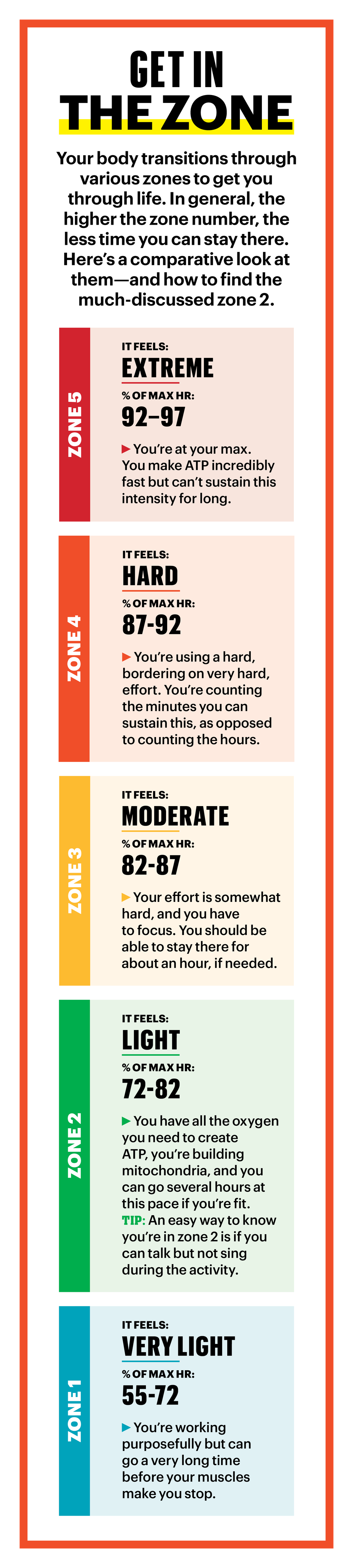
Not long ago, high-intensity interval training (HIIT) was the undisputed king of the gym. The promise was simple: work harder for a shorter period and reap outsized rewards. However, the fitness landscape is undergoing a significant correction. The grueling "gut-it-out" mentality is making room for a more nuanced approach that values slow and steady efforts. These are the famous Zone 2 workouts—efforts that keep the heart rate between roughly 70 and 80 percent of its maximum.
Zone 2 occupies the space between easy and moderate cardio. It is the physiological "sweet spot" where you are working hard enough to trigger cellular adaptations but not so hard that you accumulate excessive fatigue or cross into anaerobic metabolism. A reliable metric for this is the "talk test": you should be able to carry on a conversation, though a listener on the other end of a phone would notice your breathing is slightly labored. While it may feel "too easy" for those accustomed to the red-line intensity of a CrossFit WOD or a sprint interval session, the biological gains occurring under the surface are profound.
The Mitochondrial Engine: Powering the Human Body
The primary driver behind the Zone 2 revolution is the health of the mitochondria. These organelles are the powerhouses of the cell, responsible for generating adenosine triphosphate (ATP), the chemical fuel that drives every muscle contraction and biological process in the body. As humans age, mitochondrial function tends to decline; they become sparse, damaged, and inefficient—a process often compared to a well-worn coat losing its insulation.
Dr. Kenneth Jay, a sports scientist who has conducted extensive research with the National Research Centre for the Working Environment in Copenhagen, notes that Zone 2 cardio is perhaps the most effective tool we have for building and repairing these cellular powerhouses. Unlike high-intensity work, which can sometimes bypass or overstress certain metabolic pathways, Zone 2 creates the specific physiological pressure needed to stimulate mitochondrial biogenesis—the creation of new mitochondria—and improve the efficiency of existing ones.

This cellular improvement has massive implications for performance. Dr. Iñigo San Millán, a renowned researcher at the University of Colorado School of Medicine and a coach for elite professional cyclists, explains that two key markers of fitness—the ability to clear lactate and the ability to oxidize fat—depend entirely on mitochondrial health.
Lactate Clearance and Fat Oxidation
When we exercise at high intensities, the body relies heavily on glucose for energy, producing lactate as a byproduct. Contrary to old myths, lactate isn’t just a waste product; it is a fuel source. However, when lactate levels rise too quickly, they decrease the pH level in the muscle, leading to that familiar "burn" and a subsequent drop in muscle contraction velocity and force. Efficient mitochondria are able to shuttle and "burn" that lactate, allowing an athlete to maintain a higher power output for a longer duration.
Furthermore, Zone 2 training enhances fat oxidation—the body’s ability to use stored body fat as a primary fuel source during exercise. By training the body to rely on fat rather than depleting its limited glycogen (sugar) stores, an individual can stave off fatigue and maintain energy levels throughout a long day or a grueling workout. In the words of San Millán, while science may one day develop a pill to mimic these effects, the only current way to improve mitochondrial function is through consistent movement.
The Surprising Benefits for Strength Athletes
It is a common misconception that steady-state cardio "kills" strength gains. In reality, a robust aerobic base built through Zone 2 work can significantly enhance a lifting routine. The ability to recover between heavy sets of squats or deadlifts is largely dependent on the aerobic system’s ability to regenerate ATP quickly.
Mike T. Nelson, Ph.D., C.S.C.S., explains that lifters with poor mitochondrial health often lack the capacity to repeat high-level efforts. If a trainee’s second or third set of an exercise sees a massive drop-off in power or form, it is often because their "aerobic engine" cannot keep up with the recovery demands. By shoring up the mitochondria, a lifter can handle more total volume and recover faster between training sessions.
Moreover, mitochondrial dysfunction is not just a performance issue; it is a health crisis. It has been linked to the "four horsemen" of modern chronic disease: cardiovascular disease, cancer, diabetes, and obesity. Strengthening the mitochondria acts as a protective shield, creating a more efficient metabolic engine that manages blood sugar better and reduces systemic inflammation.
Structural Heart Health: The "Stretchy" Heart
The benefits of Zone 2 extend to the physical structure of the heart itself. When an individual engages primarily in heavy resistance training, the heart’s left ventricle—the chamber responsible for pumping oxygenated blood to the body—undergoes a specific type of growth. The walls get thicker to handle the pressure of the lift. While this makes the heart strong, it can sometimes make the chamber smaller, meaning it holds and pumps less blood per beat.
Zone 2 cardio provides a necessary counterbalance. Because it involves a high volume of blood moving through the heart at a moderate pressure, it helps keep the heart walls "stretchy" and the chamber large. This "eccentric hypertrophy" allows the heart to pump more blood with less effort, lowering the resting heart rate and improving overall cardiovascular resilience. However, balance is key: excessive high-volume endurance training without recovery can lead to its own issues, such as atrial fibrillation, highlighting why the moderate intensity of Zone 2 is so vital.
Finding and Maintaining the Zone
Determining your personal Zone 2 can be complex because it varies based on individual fitness levels. A sedentary person might reach Zone 2 at 60 percent of their maximum heart rate, while an elite athlete might stay in Zone 2 until they hit 80 percent. While heart rate monitors and laboratory testing (measuring blood lactate levels) are the gold standards, the "talk test" remains a highly effective, low-tech alternative.
If you can speak in full sentences but feel the need to take a breath every few words, you are likely in Zone 2. If you can speak perfectly normally, as if sitting at a desk, you are in Zone 1. If you can only manage one- or two-word answers, you have pushed into Zone 3 or higher.
The Prescription: How Much is Enough?
The "dosage" of Zone 2 required for health and performance is a subject of ongoing debate. For those currently sedentary, even 20 minutes of brisk walking can yield benefits. However, for those looking to optimize their health and performance, the requirements are higher. Most experts recommend a minimum of 30 to 40 minutes of Zone 2 cardio twice a week.
Dr. San Millán argues for an even more aggressive approach for those seeking maximum longevity and metabolic health, suggesting that up to 300 minutes a week is ideal. For endurance athletes, the "80/20 rule" is the standard: 80 percent of training volume should be at low intensity (Zone 2), with only 20 percent reserved for high-intensity "red-line" work. This is the model followed by Eliud Kipchoge, the world’s greatest marathoner, who spends the vast majority of his training week running at paces that would feel easy for a recreational runner.
The Warrior’s Discipline
Perhaps the hardest part of Zone 2 training is the discipline it requires. In a fitness culture that prizes "no pain, no gain," intentionally going slow can feel like a psychological hurdle. There is a "warrior aspect" to this, as noted by professor Stephen Seiler, Ph.D. It takes a specific type of mental toughness to remain in the zone and not be influenced by a faster runner passing you on the trail or a desire for the "endorphin rush" of a sprint.
There is a Zen-like quality to finding a rhythm and staying there. Whether it is rucking uphill, rowing, cycling, or a steady jog, the goal is control. By being smart enough to incorporate "low" intensity into a program, you build the foundation necessary to reach new "highs." In the quest for a longer, stronger life, it turns out that easy really does do it.
