
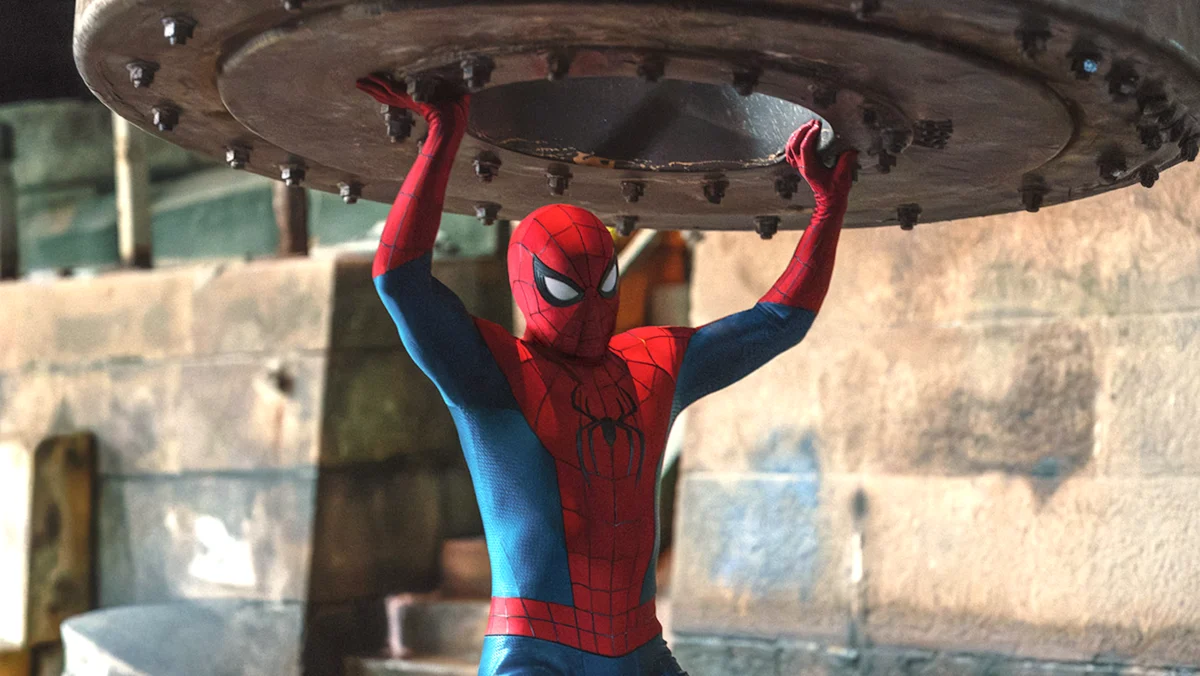
“As Spider-Man navigates a world that has forgotten Peter Parker, the arrival of mutant icons and a cosmic cliffhanger signal a seismic shift in the Marvel Cinematic Universe’s trajectory.”
Following the reality-shattering events of the multiverse-spanning "Home" trilogy, the Marvel Cinematic Universe has entered a new era of storytelling with Spider-Man: Brand New Day. This fourth solo outing for Tom Holland’s Peter Parker serves as both a grounded character study of a hero operating in total anonymity and a pivotal bridge toward the next generation of Avengers-level threats. By blending street-level conflict with the introduction of the X-Men and a startling cosmic revelation, the film redefines the stakes for the world’s most famous web-slinger.
The New Status Quo: A Hero in Hiding
The narrative foundation of Spider-Man: Brand New Day is built upon the tragic conclusion of No Way Home. In that film, Doctor Strange’s final spell erased the memory of Peter Parker from the collective consciousness of the world to save the multiverse. Consequently, the Peter Parker we meet in Brand New Day is a ghost. He has no high school records, no social security history, and no friends or family who recognize him. This isolation forces a shift in his priorities, leading to a film centered on the grueling reality of work-life balance.
For Peter, "work" has become synonymous with Spider-Man. Without the tethers of MJ or Ned to ground him, he has leaned entirely into his role as New York’s protector. The film portrays a New York City that is busier and more dangerous than ever, requiring Spider-Man to be active around the clock. This relentless pace highlights the physical and mental toll of heroism when it is no longer supported by a personal support system. Peter’s struggle is no longer about balancing homework and dates; it is about maintaining his humanity when his civilian identity has ceased to exist.

A Colliding Universe: The Punisher and The Hulk
While the film remains focused on Peter’s internal journey, it enriches its world by weaving in major players from the broader MCU. The inclusion of Frank Castle, also known as The Punisher, played by Jon Bernthal, marks a significant tonal shift. Bernthal’s return to the role brings a grit that mirrors the character’s origins in the Marvel-Netflix era. The Punisher’s presence serves as a foil to Spider-Man’s "no-kill" rule, forcing Peter to defend his moral compass in a city that is increasingly losing its patience with traditional heroism.
In contrast to the darkness of Castle, Bruce Banner (Mark Ruffalo) provides a connection to the established Avengers hierarchy. Banner’s role in the film is less about physical combat and more about the scientific and systemic changes occurring in the post-Blip world. The interaction between the seasoned scientist and the isolated young hero underscores the "Brand New Day" theme—a transition from the old guard to a new, more complicated landscape of alliances.
The Bureaucracy of Power: Damage Control and Bill Metzger
A central antagonist in the film is not a supervillain in a traditional costume, but rather the Department of Damage Control (DODC). Since its introduction in Spider-Man: Homecoming, the DODC has evolved from a simple cleanup crew into a formidable, quasi-military government agency. In Brand New Day, the department is led by Bill Metzger, portrayed by Tramell Tillman.
Tillman, coming off an acclaimed performance in Severance, brings a chilling, bureaucratic efficiency to the role. Metzger represents the systemic threat that Peter cannot simply punch his way out of. The DODC’s pursuit of enhanced individuals and their hoarding of alien and multiversal technology creates a persistent tension. Metzger’s untrustworthy nature and his obsession with "securing" New York make the DODC a primary obstacle for Spider-Man, who finds himself caught in the crosshairs of a government that views him as an unregulated asset.
The Mutant Arrival: Sadie Sink as Jean Grey
The most significant narrative pivot in Brand New Day is the introduction of a mysterious telepathic antagonist attempting to breach the DODC’s high-security facilities. This figure is eventually revealed to be Jean Grey, played by Stranger Things star Sadie Sink. This casting marks a monumental moment for the MCU, as it officially integrates one of the most powerful members of the X-Men into the main cinematic timeline.

Jean Grey has a storied history in Marvel Comics, first appearing in 1963’s The X-Men #1. Previously portrayed by Famke Janssen and Sophie Turner in different iterations of the Fox X-Men franchise, Jean Grey represents the "Mutant Problem" that the MCU has been slowly teasing. By introducing her through the lens of a Spider-Man film, Marvel suggests that the lives of mutants and "enhanced" humans are becoming inextricably linked. Sink’s portrayal offers a fresh take on the character, capturing the vulnerability and overwhelming power of a young woman coming into her telepathic and telekinetic abilities. Her presence suggests that the conflict between the DODC and mutants will be a defining feature of the MCU’s future.
The Spidey Tracker and the Post-Credits Reveal
Throughout the film, Peter utilizes a new piece of technology known as the "Spidey Tracker." This app, created by his former best friend Ned Leeds (Jacob Batalon), serves as a poignant reminder of Peter’s lost past. Even though Ned does not remember Peter, his technological contribution remains a vital part of Spider-Man’s arsenal. The film’s marketing even extended this into the real world, releasing a functional version of the app for fans.
The importance of the Spidey Tracker culminates in the film’s singular post-credits scene. Unlike previous Marvel films that often featured two or three teasers, Brand New Day opts for a brief, animated sequence. The scene depicts the interface of the Spidey Tracker app as it scans the globe. Suddenly, the focus shifts away from the streets of New York and even away from Earth itself. The app pings a new sighting in the deep reaches of outer space.
The screen abruptly cuts to black with the message: "Spider-Man Will Return."
Implications for the Multiverse and Beyond
This "Off-World" sighting opens a floodgate of questions regarding the future of the franchise. The most immediate connection is the upcoming Avengers: Doomsday, scheduled for release in late 2026. While Tom Holland has not been officially confirmed for the cast, the post-credits scene strongly suggests that Spider-Man’s next adventure will take him far beyond his friendly neighborhood.

The "Off-World" signal could imply several things. It may suggest that Peter Parker has been transported to another planet or dimension, perhaps as a result of the burgeoning conflict with Doctor Doom. Alternatively, it could mean that the tracker has picked up another version of Spider-Man. Given the appearance of Andrew Garfield and Tobey Maguire in No Way Home, fans are already speculating that the "Off-World" sighting could be a precursor to a reunion in Avengers: Secret Wars.
The transition from a street-level story about identity and loneliness to a cosmic cliffhanger is a hallmark of the Marvel formula, yet Brand New Day executes it with a specific emotional weight. Peter’s isolation on Earth makes his potential journey into the stars feel less like a heroic expedition and more like a desperate search for a place where he might belong.
Conclusion: A New Chapter
Spider-Man: Brand New Day successfully navigates the difficult task of resetting a beloved character while simultaneously expanding the lore of a massive cinematic universe. By grounding the story in Peter’s personal struggle for balance and then heightening the stakes with the introduction of Jean Grey and the DODC, the film ensures that Spider-Man remains the emotional heart of the MCU.
As the franchise moves toward Avengers: Doomsday and Secret Wars, the image of a lone Spidey Tracker signal blinking in the void of space serves as a perfect metaphor for the character’s current state. Peter Parker may be forgotten, and he may be far from home, but his journey is far from over. The "Brand New Day" has only just begun, and the horizon is broader than anyone—including Peter himself—could have imagined.
