
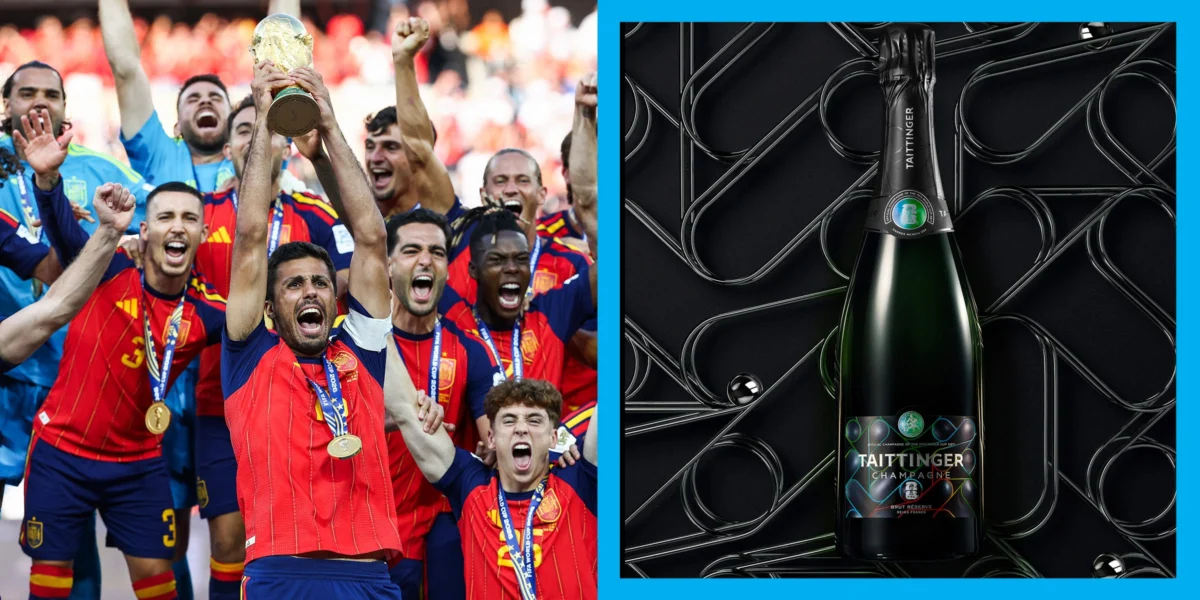
“The ritual of the champagne spray remains the ultimate symbol of sporting excellence, bridging the gap between the grueling physical demands of a month-long tournament and the euphoric release of reaching the pinnacle of global football.”
The 2026 FIFA World Cup marked a transformative moment for international soccer, particularly within the North American landscape, as it combined unprecedented logistical scale with a high-stakes competitive drama that culminated in New York City. Beyond the tactical nuances on the pitch, the tournament served as a cultural bridge, introducing millions of new viewers to the eccentricities of the "beautiful game" while reinforcing the time-honored traditions that define its most prestigious moments. Central to this celebration is the partnership between elite athletics and the heritage of French viticulture, specifically the role of Champagne Taittinger in sanctifying the crowning of a world champion.
The conclusion of the 2026 World Cup has left the American sporting public in a state of reflective curiosity. For a nation accustomed to the definitive nature of the "four major sports," the idiosyncrasies of international soccer—ranging from the tension of a scoreless draw to the clinical heartbreak of a penalty shootout—continue to provoke debate. The tournament in North America highlighted the divide between traditional sporting expectations and the global standards of football. New fans grappled with the implementation of Video Assistant Referee (VAR) technology, the necessity of hydration breaks for elite athletes in humid climates, and even the aesthetic choices of national teams, such as jerseys inspired by surrealist art movements that challenged conventional athletic apparel.
For the seasoned enthusiast, the end of a World Cup cycle brings a distinct form of withdrawal. The tournament is a quadrennial assembly that transcends mere sport, acting as a theater for national identity and collective passion. The 2026 edition provided a vivid tapestry of these emotions: the boisterous energy of Mexican supporters who famously serenaded their team outside hotels in the dead of night, the linguistic elegance of the French roster featuring names like Désiré Doué and Ousmane Dembélé, and the emergence of cult figures like the imposing Norwegian defenders and the stoic tactical minds on the sidelines. These elements create a vacuum that will not be filled for another four years, leaving fans to dwell on the "what-ifs" of the bracket and the technicalities of the offside rule.
However, if there is one aspect of the World Cup that requires no translation, it is the celebration. Regardless of cultural background or tactical philosophy, the universal language of victory is expressed through the popping of a cork. The tradition of spraying champagne as a victory ritual is a relatively recent addition to the annals of sports history, tracing its origins to the 1967 24 Hours of Le Mans. American driver Dan Gurney, upon receiving a bottle of Moët & Chandon, spontaneously decided to spray the gathered press and dignitaries, including Henry Ford II. What began as an act of exuberant defiance in the racing world quickly permeated Formula One and eventually became the global standard for any podium finish or championship locker room.
In the context of the FIFA World Cup, this ritual has been refined through a decade-long partnership with Champagne Taittinger. As one of the few remaining family-owned houses in Reims, Taittinger brings a sense of historical gravitas to the event. Their partnership with FIFA began during the 2014 World Cup in Brazil and has since become an fixture of the tournament’s iconography. The house, which dates back to 1734, provides the official "fizzy wine" that douses the world’s greatest players. From the locker rooms of Moscow in 2018 to the streets of Buenos Aires in 2022, Taittinger has been the liquid witness to the wildest celebrations in international sport. Each tournament is honored with a custom-designed label, ensuring that the bottle itself becomes a collector’s item, reflective of the specific host nation and the spirit of that year’s final.

Looking back at the recent lineage of champions provides a roadmap of how this tradition has evolved. In 2018, the narrative was dominated by "Les Bleus." France’s victory over a resilient Croatian side in a 4-2 final was a masterclass in modern, efficient football. It was only fitting that a French team would celebrate with the finest export of their own terroir. The images of Antoine Griezmann and Paul Pogba drenched in champagne during their parade down the Champs-Élysées remain some of the most iconic of the decade. The wine served as a sophisticated accompaniment to a team that played with a blend of youthful arrogance and tactical discipline.
The 2022 World Cup in Qatar offered a different flavor of triumph. The final between Argentina and France is widely regarded as the greatest match in the history of the sport—a see-saw battle of wills that eventually saw Lionel Messi cement his legacy as the greatest of all time. The subsequent celebrations in Dubai and Buenos Aires were fueled by a sense of relief and destiny. For Argentina, the champagne was not just a prop for a photo op; it was the catalyst for a national catharsis. Millions of fans flooded the streets of the capital, creating scenes of joyful chaos that underscored the deep emotional investment the world has in this trophy.
The 2026 tournament, however, belonged to Spain. In a tightly contested final held in the heart of New York City, the Spanish national team defeated Argentina 1-0. While the scoreline suggested a defensive stalemate, the match was a display of Spain’s superior ball retention and tactical patience. Led by midfield general Rodri and the explosive Ferran Torres, the Spanish side navigated a difficult path to the final, eliminating several top-tier contenders along the way.
The post-match festivities in NYC and later in Madrid were a testament to the modern athlete’s approach to celebration. Amidst the smoke of victory cigars and the sounds of global reggaeton icons like Bad Bunny, the champagne flowed with abandon. The limited-edition Taittinger Brut Réserve was the centerpiece of the trophy presentation, sprayed over the gold medals and shared among a squad that had reached the summit of the sport.
The significance of Spain’s 2026 victory extends beyond the immediate trophy. With this win, Spain achieved a rare and prestigious "Dual Crown," holding both the Men’s and Women’s World Cup titles simultaneously—the latter having been won in 2023. This feat speaks to a systemic excellence in Spanish football development, a philosophy that prioritizes technical skill and spatial awareness across all levels of the game. When the team paraded through the historic streets of Madrid to meet the Prime Minister, the bubbles in their glasses represented more than just a single win; they represented a decade of dominance and a clear vision for the future of the sport.
As the dust settles on the 2026 World Cup, the global soccer community begins the long wait for 2030. The stadiums will be cleared, the custom-labeled bottles will be stored in private collections, and the American audience will continue its slow, steady immersion into the complexities of the game. Yet, the images of the 2026 final will endure. The sight of the world’s best athletes transformed into exuberant children, dousing one another in fine French wine, serves as a reminder of why we watch. It is the pursuit of that one moment of pure, unadulterated joy—a moment that is best served chilled, with a fine bead of bubbles and the weight of a gold trophy in hand. The "beautiful game" continues to evolve, but its rewards remain as timeless as the vineyards of Champagne.
