
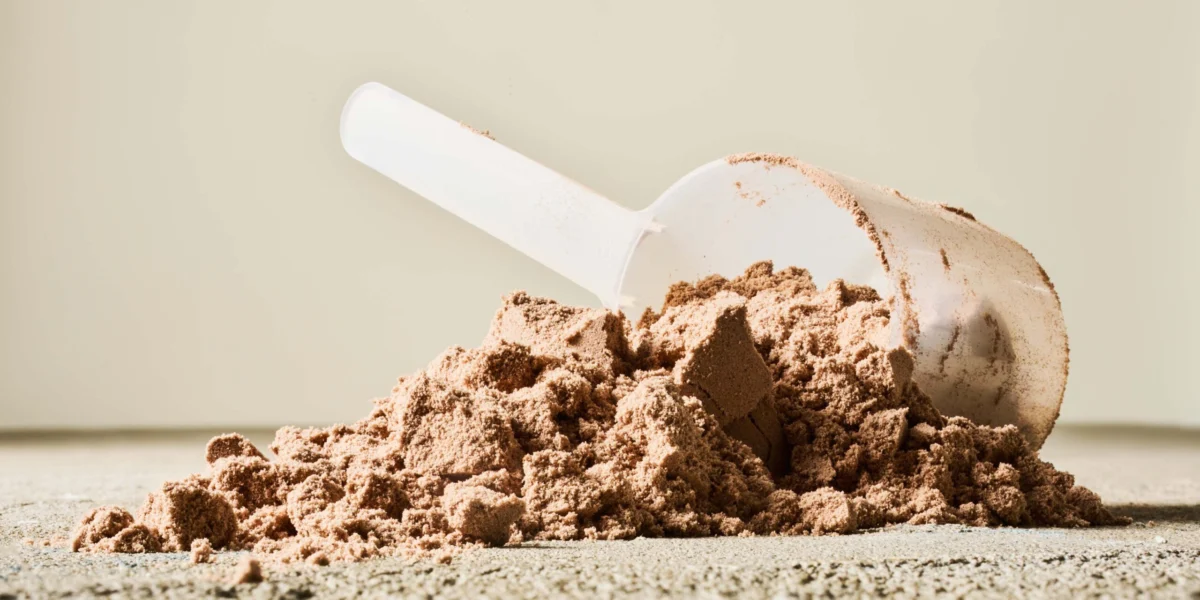
"The long-held belief in a narrow 30-minute ‘anabolic window’ has been largely debunked; research now shows that total daily protein consumption is a far more significant predictor of muscle hypertrophy and strength than the specific timing of a post-workout shake."
For decades, the ritual of chugging a protein shake within minutes of dropping the last dumbbell was considered the "golden rule" of bodybuilding. This practice was rooted in the concept of the metabolic window—a fleeting period where the body was thought to be uniquely primed for nutrient absorption and muscle repair. However, as nutritional science has evolved, experts are shifting the focus away from the stopwatch and toward the total daily tally. Understanding how the body synthesizes protein over a 24-hour cycle reveals that while timing can offer marginal benefits, the foundation of muscle growth lies in consistent, high-quality intake distributed throughout the day.
The Myth of the Narrow Anabolic Window
The traditional "anabolic window" was once thought to last only 30 to 60 minutes. The fear among many athletes was that failing to ingest protein during this time would lead to muscle wasting or a "wasted" workout. Modern research, however, has significantly widened this perspective. Caitlin Gwaltney, RD, notes that the metabolic window for muscle repair and recovery is not a brief opening but a sustained state that can extend up to and beyond 24 hours.
Studies now indicate that the body continues to synthesize muscle mass for several hours, and sometimes even days, following a strenuous resistance training session. This means that the urgency once associated with post-workout nutrition was likely overstated. While the body is indeed sensitive to nutrients after exercise, it remains sensitive for a much longer duration than previously believed. The "dire" nature of immediate protein consumption has been replaced by a more flexible, evidence-based approach that prioritizes the total volume of amino acids available to the body over a full day.
Pre-Workout vs. Post-Workout: The Expert Verdict
When it comes to the debate of whether to drink a shake before or after the gym, the answer is surprisingly inclusive: it doesn’t really matter, provided you meet your daily requirements. Both strategies offer distinct advantages depending on an individual’s lifestyle and digestive tolerance.
Pre-workout protein can be beneficial for those who train in a fasted state or those who find that a small amount of protein helps them maintain energy levels during a session. However, chugging a large shake immediately before heavy lifting can lead to gastrointestinal distress or a feeling of lethargy as the body redirects blood flow to the digestive system.
Leslie Bonci, RDN, MPH, a former sports dietitian for the Kansas City Chiefs, suggests a strategy called "parenthesizing" the workout. This involves consuming a portion of a high-protein snack or shake about an hour before exercise to initiate the digestive process, followed by the remainder of the protein after the workout. This ensures a steady stream of amino acids is available in the bloodstream both during and after the period of muscle exhaustion.
Calculating Your Daily Protein Requirements
If timing is the secondary factor, the primary factor is undoubtedly the total amount of protein consumed. The Recommended Dietary Allowance (RDA) for the general population is often cited at 0.36 grams of protein per pound of body weight. However, experts agree that this is the absolute minimum required to prevent deficiency in sedentary individuals—not a target for those looking to build or maintain muscle.

For those engaged in regular strength training, the requirements increase significantly. To optimize muscle hypertrophy, the target should be between 0.8 and 1 gram of protein per pound of body weight. For a 180-pound man aiming to increase muscle mass, this equates to approximately 144 to 180 grams of protein per day.
To make this manageable, Bonci recommends breaking the total down into smaller, frequent doses. Instead of attempting to consume a massive amount of protein in one or two sittings, which can be taxing on the digestive system, it is more effective to aim for 20 to 40 grams of protein per meal, supplemented by two high-protein snacks or shakes. This creates a "protein-positive" environment throughout the day, keeping muscle protein synthesis (MPS) elevated.
The Risks of Protein Overloading
While protein is essential, there is a limit to how much the body can effectively utilize in a single sitting for muscle building. Consuming an entire day’s worth of protein in one meal is not only inefficient for muscle growth but can also place unnecessary stress on the body.
Gwaltney warns that excessive protein consumption in a single sitting can lead to stomach upset and, over time, place excessive stress on the kidneys, especially in individuals with underlying conditions. The body is most efficient at processing protein when it is distributed every three to four hours. This steady cadence ensures that the "leucine threshold"—the amount of the amino acid leucine required to trigger muscle protein synthesis—is met multiple times throughout the day, rather than just once.
The Essential Role of Carbohydrates
A common mistake in high-protein diets is the neglect of carbohydrates. While protein provides the building blocks for muscle, carbohydrates provide the fuel necessary to perform the work. Bonci emphasizes that carbohydrates are the body’s preferred fuel source during activity. When carbohydrate intake is too low, the body may undergo gluconeogenesis, a process where it breaks down muscle tissue to create energy—the exact opposite of a lifter’s goal.
Furthermore, carbohydrates play a vital role in recovery. They replace stored glycogen, which is depleted during intense exercise. Ingesting carbohydrates alongside protein post-workout can trigger an insulin response, which helps shuttle amino acids into the muscle cells and reduces muscle protein breakdown. To optimize a post-workout shake, Bonci recommends using cow’s milk or soy milk (which contain more natural protein than oat or almond alternatives) and adding fruits like bananas to provide the necessary glucose and fructose for glycogen replenishment.
Diversifying Protein Sources
Meeting high protein targets can be challenging if one relies solely on traditional meat sources. To avoid "protein fatigue," experts suggest diversifying the plate.
- Plant-Based Additions: Many plants are surprisingly high in protein and offer the added benefit of fiber and phytonutrients. Bonci suggests incorporating pureed beans, such as cannellini beans, into sauces or dishes like macaroni and cheese to boost protein content and creaminess simultaneously.
- The "Every Occasion" Rule: Protein should be a component of every meal and snack. This can be achieved by adding unflavored protein powder to common foods like spaghetti sauce, hummus, or guacamole.
- Smart Substitutions: Simple swaps can yield significant results. For instance, using Greek yogurt instead of sour cream in dips or on tacos can increase the protein content from roughly 1.4 grams to 9 grams per serving.
- Preparation is Key: Gwaltney advises "prepping ahead" by keeping hard-boiled eggs, chicken salad, or protein bars readily available. This prevents the temptation to skip a protein-heavy meal when a schedule becomes hectic.
Conclusion: A Holistic Approach to Hypertrophy
The evolution of sports nutrition has moved us away from the anxiety of the 30-minute window and toward a more holistic, sustainable view of muscle building. While having a protein shake after the gym is a convenient and effective way to contribute to your daily goals, it is the cumulative intake over 24 hours that truly dictates results.
By focusing on a target of 0.8 to 1 gram of protein per pound of body weight, distributing that intake across several meals, and ensuring a healthy balance of carbohydrates and fats, athletes can maximize their gains without being tethered to a strict post-workout clock. Muscle growth is a marathon of consistency, not a sprint to the locker room.
