
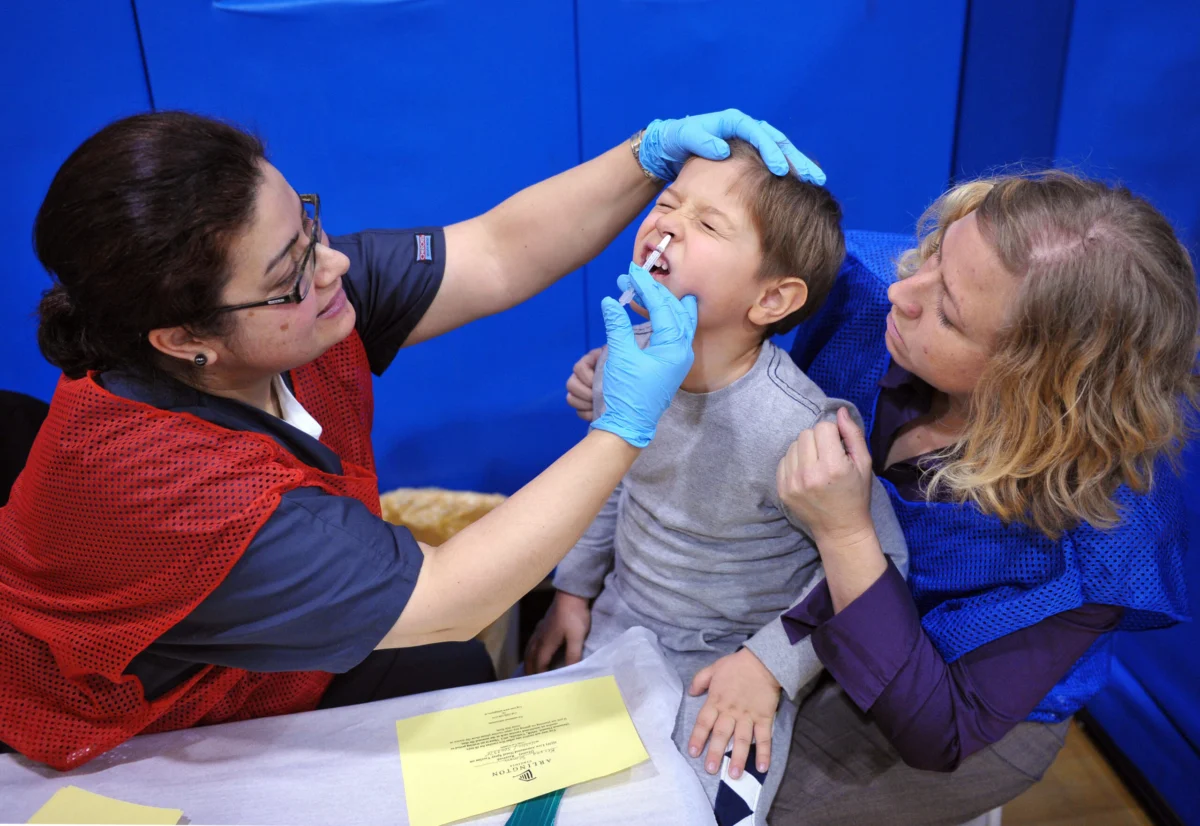
"Prompt antiviral treatment within 48 hours of influenza symptom onset slashed the risk of hospitalization in children by 81%, according to a significant new study. This finding offers crucial guidance for parents navigating urgent care decisions during flu season, particularly for young children."
A groundbreaking multicenter analysis of pediatric outpatients has revealed a powerful protective effect of early influenza antiviral intervention. Children who commenced antiviral therapy within the critical 48-hour window following the first symptoms experienced an 81% lower adjusted risk of influenza-related hospitalization compared to their peers whose treatment was delayed or never initiated. This robust finding, published in the esteemed journal Pediatrics, addresses a long-standing clinical quandary that has often left pediatricians with insufficient evidence to guide parents on the urgency of antiviral treatment for hospitalized children. While randomized trials have consistently demonstrated that prompt administration of oseltamivir can shorten illness duration by approximately one day and reduce the incidence of ear infections in young children, concrete data linking early treatment to reduced hospitalization rates has remained relatively sparse until now. This study’s findings underscore the critical importance of timely medical attention, suggesting that the decision to seek urgent care for a child exhibiting flu-like symptoms can have a more profound impact on preventing severe outcomes than many families might realize.
The significance of this study lies heavily in its population and design, which mirrors the real-world scenarios faced by the vast majority of parents. Unlike studies focusing solely on hospitalized children, this analysis specifically examined pediatric outpatients, the very group that represents the overwhelming majority of families dealing with a sick child. The research team conducted an age- and season-matched retrospective case-control study within a hospital system in northern Taiwan, meticulously analyzing data from 1,492 children under the age of 18 who had laboratory-confirmed influenza between January 2020 and October 2023. Of these, 354 children were hospitalized or died due to influenza, while 1,138 matched controls were not hospitalized. The average age of the participants was 7.1 years, with influenza A being the predominant strain, accounting for 86.7% of cases. By focusing on children who initially presented as outpatients, the study provides direct insights into the benefits of early intervention for a population that has historically been less represented in trials examining severe outcomes.
The strength of the observed association was consistent across various age groups, notably showing an 81% lower risk among children aged five years and younger. This age bracket is particularly concerning as it carries the highest baseline risk for severe influenza complications. The investigators reported that this protective effect remained robust across sensitivity analyses and was observed irrespective of whether the children were treated with oseltamivir or zanamivir. Contemporary Pediatrics summarized the researchers’ findings, stating that "early antiviral therapy started within 48 hours of symptom onset was associated with ‘an 81% reduction in influenza-related hospitalization.’" This distinct finding from a study focused on outpatients complements, rather than replaces, the results of other research, such as a separate study published in JAMA Pediatrics. That study, which analyzed over 7,000 pediatric influenza hospitalizations across 13 U.S. states over eight seasons, found that children treated with oseltamivir were 31% less likely to be admitted to the intensive care unit and experienced shorter hospital stays. While both studies point towards the benefits of antiviral treatment, they address different aspects of the disease trajectory and patient populations.
It is crucial to understand the inherent limitations of retrospective case-control studies. While this design effectively establishes an association, it does not definitively prove causation. The observed reduction in hospitalizations cannot be solely attributed to the antiviral treatment itself. The study design, where treatment was not randomly assigned, means that clinical decisions made by healthcare providers about who received antivirals and when are inherently influenced by a complex interplay of factors that may not be fully captured in the dataset. For instance, families who are able to access care within the critical 48-hour window may systematically differ from those who cannot. These differences could include factors such as greater access to healthcare providers, reliable transportation, adequate health insurance, higher health literacy, and a generally better baseline health status for their child. While the study employed matching on age and season to mitigate some of these confounding variables, it cannot account for all of them.
The researchers themselves acknowledged these limitations and conducted rigorous sensitivity analyses to test their assumptions, which ultimately did not alter their conclusions. In an accompanying commentary, James Antoon and Kathryn Edwards highlighted that the study’s findings align closely with those of several other well-conducted observational studies investigating the use of antivirals and their impact on influenza hospitalizations. However, the study’s setting in a single hospital system in northern Taiwan does present a constraint on its generalizability. Differences in healthcare-seeking behaviors, local testing practices, and access to care within that specific region mean that the precise 81% figure might not be directly replicable in outpatient populations in different countries, such as the United States. Consequently, current medical guidance has not undergone revision based solely on this study, underscoring the need for continued research and confirmation in diverse settings.
For parents seeking to understand the practical implications for their children, it is important to recognize that the landscape of influenza antivirals is more nuanced than a single medication. According to guidance from the Centers for Disease Control and Prevention (CDC) for clinicians, oral oseltamivir is FDA-approved for treating acute, uncomplicated influenza in individuals 14 days and older, provided treatment is initiated within two days of illness onset. It is also approved for post-exposure prevention in individuals aged one year and older with once-daily dosing. Furthermore, the CDC and the American Academy of Pediatrics extend recommendations for oral oseltamivir to include treatment in infants younger than 14 days and for prevention in infants aged three months to one year, extending beyond FDA-approved indications but supported by pharmacokinetic data.
Beyond oseltamivir, other antiviral options are available, each with specific age thresholds and routes of administration. These include inhaled zanamivir, intravenous peramivir, and oral baloxavir. Inhaled zanamivir, for instance, is generally advised against for children with asthma or chronic lung disease due to potential respiratory side effects. The choice of which specific antiviral medication is most appropriate for a particular child is a complex clinical decision that requires a thorough assessment of the individual child’s health status and is made by a qualified healthcare provider, rather than being a matter of parental preference or a simple selection from available options.
The practical steps for families are relatively straightforward but critical for maximizing the benefit of potential antiviral treatment. Parents should diligently note the precise time their child’s symptoms began, as this marks the commencement of the crucial 48-hour window for initiating antiviral therapy, not the time of the initial phone call to a healthcare provider. Prompt medical attention should be sought rather than waiting for a fever to subside, especially for children under five years old and those with underlying health conditions such as asthma, neurologic disorders, heart disease, diabetes, or compromised immune systems, as these children face a higher risk of severe complications regardless of treatment timing. It is also advisable for parents to specifically inquire about the appropriateness of antiviral medication rather than assuming it will be automatically offered. Studies have indicated that outpatient antiviral use in children, even among those at higher risk, has been documented as being relatively low.
Certain symptoms warrant immediate emergency evaluation rather than a phone call. These include labored or rapid breathing, a bluish tint to the lips or face, chest pain, severe muscle pain, signs of dehydration (such as no urine output for eight hours), seizures, confusion, or a fever that initially improves but then returns with a worsening cough. It is imperative to remember that antiviral medications are designed to treat an active infection and do not serve as a substitute for influenza vaccination. Vaccination remains the cornerstone of influenza prevention for the upcoming season, offering broad protection against a range of circulating strains.
Financial considerations can present a barrier for some families. While generic oseltamivir is generally inexpensive and widely available, newer antiviral agents may involve higher co-pays. It is entirely reasonable for parents to discuss with their prescriber whether a lower-cost clinically appropriate option is available. For families without a regular pediatrician, federally qualified health centers offer services on a sliding fee scale based on income. Furthermore, many pharmacies can confirm medication stock by phone prior to a visit, helping to streamline the process of obtaining prescribed treatments. Larger-scale studies conducted in diverse international settings will be essential to confirm whether the substantial effect size observed in this study holds true across different populations and healthcare systems. MedicalDaily will continue to report on new evidence concerning pediatric influenza treatment as it becomes available.
