
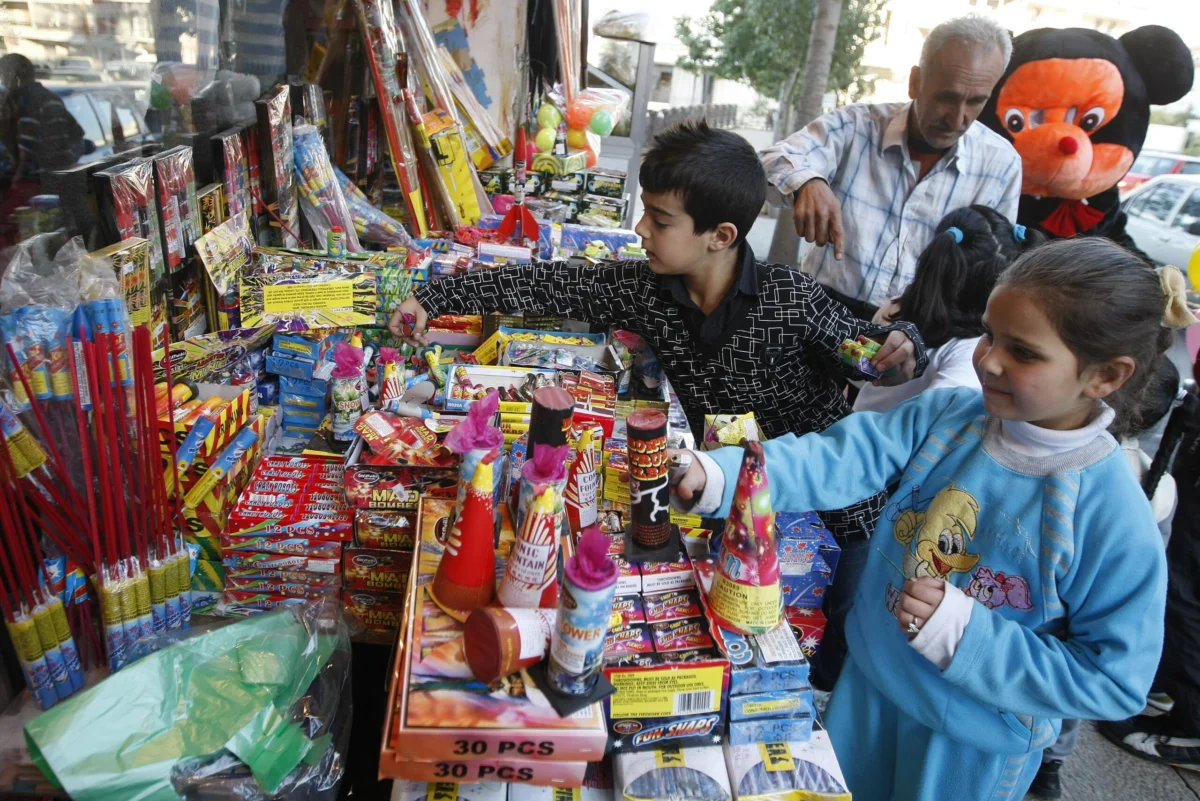
"This isn’t your typical sparkler; these novelty firework toys can project dangerous heat far enough to ignite clothing, posing a significant risk of severe burns, especially to children."
Federal safety regulators have issued a critical warning to households, urging them to immediately stop using a novelty firework product marketed as a toy. The Consumer Product Safety Commission (CPSC) has identified the Monkey Mania Nuclear Bubble Beretta firework toy, model MM0799, manufactured by Raccoon Fireworks of China, as a significant burn hazard. Unlike conventional fireworks, this product’s mechanism can generate high temperatures that travel a considerable distance, capable of igniting fabrics and leading to serious injury or death. This announcement underscores a growing concern about consumer products that blur the lines between toys and potentially dangerous pyrotechnics, demanding heightened vigilance from consumers and manufacturers alike.
The CPSC’s warning for the Monkey Mania Nuclear Bubble Beretta firework toy, model MM0799, manufactured by Raccoon Fireworks of China, is not a routine seasonal reminder about firework safety. Instead, it highlights a unique and alarming hazard: the product’s capacity to produce "high temperatures capable of traveling substantial distances that can ignite fabrics." This specific phrasing is crucial and distinguishes the danger from that posed by traditional fireworks like sparklers. A sparkler’s hazard is largely confined to its immediate vicinity, with clear instructions to maintain a safe distance from the body. However, the Monkey Mania toy breaks this established mental model by creating a hazard zone that extends beyond the user’s immediate control or expectation. The safe standoff distance is unpredictable, and the material at risk is not just the user, but anyone nearby wearing combustible clothing.
The implications of fabric ignition are severe and differ significantly from simple contact burns. Once ignited, fabric fires spread rapidly across surfaces, often engulfing torsos and legs, resulting in deeper, more extensive injuries than a brief touch to a hot object. The prevalence of synthetic fabrics in modern clothing, particularly those commonly worn by children during warmer months, exacerbates this risk. These materials can melt and adhere to the skin upon ignition, leading to more complex and devastating burns that are harder to treat.
Children are particularly vulnerable to this type of hazard for several reasons unrelated to their behavior. Their proximity to the toy as they watch, their shorter stature, and their tendency to wear loose-fitting synthetic clothing make them prime targets for ignition. Furthermore, their thinner skin is more susceptible to deeper thermal damage from the same level of heat exposure compared to adults. This heightened risk necessitates extra caution and awareness among parents and caregivers.
The CPSC’s warning specifically targets a particular configuration of the Monkey Mania product. It describes a bright orange and blue plastic battery-powered bubble gun equipped with a trigger switch, a bubble liquid canister, and a slot for a cylindrical firework insert. The toy comes with five different inserts, labeled MM079A through MM079E. The Monkey Mania logo and the model number MM0799 are present on the packaging. It is important to note that the CPSC has clarified that this warning does not apply to the smoke effect insert, indicating a precise identification of the hazardous component.
This warning comes without a manufacturer-offered refund or recall. Raccoon Fireworks has not agreed to a formal recall process with the CPSC. Consequently, the agency is strongly urging consumers to cease using the firework toys immediately and to dispose of them responsibly. Critically, the CPSC explicitly prohibits selling or giving away these products. This directive is designed to prevent the hazard from being transferred to unsuspecting households. Products subject to a CPSC-ordered or voluntary recall are prohibited from being resold or redistributed under federal law. Without a manufacturer remedy, there is a significant risk that unused devices could be passed along to neighbors, listed on online resale platforms, or included in general donations, thereby extending the hazard to individuals unaware of the danger. The CPSC maintains separate federal guidance for fireworks sellers and importers to reinforce these regulations.
Safe disposal of these firework toys is paramount. Consumers are advised to follow local guidelines for fireworks and hazardous materials. In many communities, this means contacting the local fire department for proper disposal instructions, rather than simply placing them in household trash. For individuals who have experienced an injury or a product failure related to this or any other consumer product, the CPSC encourages filing a report on SaferProducts.gov. These reports are invaluable to the agency, serving as the raw data that informs investigations and strengthens enforcement actions.
In the event of a burn injury from a device like the Monkey Mania toy, prompt and correct first aid is crucial. The recommended immediate treatment is to cool the affected area with cool running water for approximately 20 minutes. It is critical to avoid applying ice, butter, ointments, or other home remedies, as these can trap heat and complicate the assessment and treatment of the burn. Any clothing or jewelry near the burn should be removed unless the fabric is adhered to the skin; in such cases, the fabric should be left in place, and medical assistance should be sought immediately.
Urgent medical evaluation is warranted for a range of burn severity indicators. These include burns larger than the palm of the injured person’s hand, burns located on the face, hands, feet, genitals, or across a joint. Additionally, burns that appear white or leathery, are painless, or occur on an infant or older adult require immediate professional assessment. Any burn accompanied by difficulty breathing or signs of smoke inhalation also necessitates emergency medical care. If clothing catches fire, the established "stop, drop, and roll" procedure should be followed, and flames should be smothered with a blanket or coat. For any burn beyond a minor superficial injury, professional medical assessment is strongly advised. Households without insurance should be aware that hospital emergency departments are legally obligated to provide stabilizing treatment for emergency medical conditions regardless of a patient’s ability to pay. Regional burn centers can typically be located through a local emergency department or by calling 911.
The practical implications of this warning extend beyond immediate action. Fireworks purchased for holidays like the Fourth of July and not used often remain in storage for extended periods, resurfacing on New Year’s Eve or the following summer. This CPSC warning arrives at a time when consumers are less likely to be actively thinking about fireworks, making it an opportune moment for a thorough inventory of household stashes. The CPSC has indicated that the Monkey Mania product was sold online and through various fireworks retailers nationwide, but has not released an estimate of the total number of units in circulation. Notably, the agency reported no specific incidents or injuries associated with this particular product at the time of the warning. This means the alert is based on hazard testing and risk assessment rather than a documented pattern of harm. Consumers who have purchased novelty fireworks recently are encouraged to cross-reference their inventory with the CPSC’s recalls and product safety warnings page to ensure they are not in possession of other unsafe items.
The CPSC also issued several other safety actions concurrently with this firework warning. These included a separate alert concerning plug-in natural gas and carbon monoxide detectors that have demonstrated a failure to alert consumers to dangerous levels of carbon monoxide. Staying informed about these weekly updates from the CPSC is a more efficient approach to consumer product safety than tracking individual product recalls. In related consumer safety news, MedicalDaily has previously reported on coin battery recalls enacted under federal safety legislation, which are part of the same ongoing stream of consumer product safety actions.
The measured takeaway from this specific warning is clear: one novelty firework product has been flagged for a hazard that extends beyond the immediate user. While no injuries have been reported to date, the recommended remedy is disposal, not a refund. The households most at risk are those with children who tend to observe fireworks from close proximity. Local fire departments remain the most reliable resource for guidance on the safe disposal of such materials and for general community fireworks safety information. The CPSC’s proactive stance, even in the absence of reported injuries, highlights their commitment to preventing potential harm through diligent hazard identification and public awareness campaigns.
