
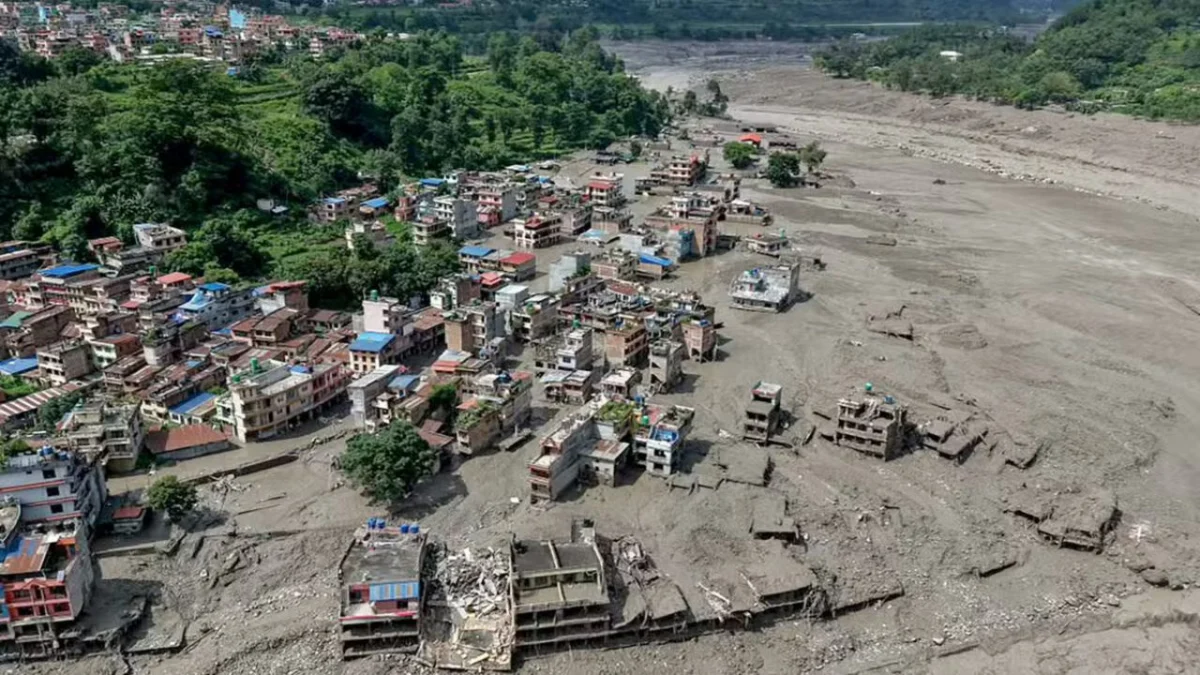
"The destruction of critical infrastructure, including water and power systems, has transformed a devastating flash flood into a looming health crisis, with the threat of waterborne diseases escalating as rescue efforts are hampered by impassable roads."
A catastrophic flash flood, originating from the Tibetan side of the border, surged down the Bhotekoshi River on the morning of August 26th, inundating the Nepali settlements of Timure and Syabrubesi. The powerful deluge continued its destructive path into the Trishuli River, prompting high alert warnings across the Nuwakot, Dhading, Gorkha, and Chitwan districts. The event, which struck around 9 a.m. local time, inflicted widespread infrastructural damage, sweeping away bridges, markets, and buildings, and critically impacting hydropower projects along the river corridor. The collapse of police posts in Timure, Syabrubesi, and Rasuwagadhi, coupled with a complete loss of power and communications, has created a scenario ripe for a protracted health emergency, as compromised water treatment, sanitation facilities, and lack of essential services pave the way for the rapid proliferation of waterborne illnesses.
The scale of the disaster is still being assessed, with casualty figures remaining fluid and subject to frequent revision as search and rescue operations penetrate more remote and isolated areas. Initial reports from Nepali officials confirmed at least 95 fatalities within Nepal, while Chinese state media indicated three deaths on the Tibetan side of the border. Within 24 hours, however, more comprehensive reporting by international news outlets suggested the confirmed death toll had surpassed 160 across both regions, a number widely anticipated to climb. The Nepal Tourism Board has indicated that at least 384 individuals remain missing, a figure that tragically includes foreign tourists who were present in the affected areas. This disparity in reported numbers is not indicative of contradiction but rather a reflection of the ongoing nature of disaster response. As search efforts expand and separate government agencies compile their findings, the figures represent a dynamic range rather than a final tally. This approach acknowledges the inherent challenges in disaster enumeration, particularly when communication lines are severed and access to the most severely impacted zones is severely restricted.
The primary impediment to a swift and effective response, and consequently to the containment of a potential health crisis, is the severe disruption of transportation and communication networks. The destruction of roads and bridges has rendered large swathes of the affected region inaccessible to conventional emergency services. This physical isolation significantly complicates not only search and rescue operations but also the delivery of vital medical supplies, equipment, and personnel. Nepal’s deployment of army helicopters and mobilization of police and armed police units underscores the reliance on aerial transport for accessing stranded populations and delivering aid. However, the limitations of airlifting resources mean that the timely distribution of water purification equipment and oral rehydration salts, critical for preventing dehydration from diarrheal diseases, is severely constrained.
Beyond the immediate casualties and infrastructural devastation, the long-term health implications of such a catastrophic flood are profound and well-documented. The primary concern revolves around the contamination of drinking water sources. Floodwaters, often laden with sewage and animal waste from inundated latrines and septic systems, can readily infiltrate wells, municipal water pipes, and surface water bodies. This contamination is a direct precursor to a surge in diarrheal illnesses, including cholera, typhoid, and a host of bacterial and parasitic gastrointestinal infections. For vulnerable populations, such as young children and the elderly, the most immediate threat from these infections is severe dehydration, which can progress rapidly and prove fatal within hours.
Furthermore, the proliferation of stagnant water following a flood creates ideal breeding grounds for mosquitoes, significantly increasing the risk of dengue fever. While the onset of dengue typically occurs weeks after initial exposure, its potential impact adds another layer of public health concern. Leptospirosis, a bacterial infection transmitted through water contaminated with animal urine, poses a recognized post-flood risk, entering the body through skin abrasions or mucous membranes. The physical act of navigating debris-laden floodwaters also elevates the risk of skin and wound infections, while crowded temporary shelters, often established in the wake of mass displacement, can contribute to an increase in respiratory infections.
A more insidious, yet equally critical, health risk stems from the interruption of routine medical care. For individuals managing chronic conditions such as tuberculosis, HIV, diabetes, or hypertension, the destruction of clinics and the inaccessibility of healthcare facilities can lead to the abrupt cessation of essential medication. Patients dependent on dialysis or insulin face particularly acute and immediate dangers. Similarly, pregnant women may lose access to vital prenatal and delivery care. While these disruptions to ongoing medical management do not typically appear in immediate disaster casualty counts, their cumulative effect over the weeks and months following the flood can result in a significant burden of illness and mortality, potentially exceeding the direct impact of the floodwaters themselves.
In response to the escalating crisis, relief organizations are actively positioning emergency supplies and conducting needs assessments to prioritize critical provisions such as shelter, hygiene kits, and sanitation facilities. For individuals outside Nepal seeking to contribute, direct cash donations to established organizations with a proven presence and operational capacity in the country are generally the most effective means of support. These organizations are better equipped to navigate logistical challenges and procure necessary supplies locally, bypassing the complexities of customs clearance and the strained transportation infrastructure for shipped goods. Communication with individuals in the affected districts is expected to remain unreliable for an extended period.
Several critical questions remain unresolved in the aftermath of this disaster. The definitive casualty count is still an evolving figure, and the precise cause of the flood is under investigation, with preliminary theories pointing towards a glacial lake outburst or a landslide acting as a natural dam upstream. This event bears a chilling resemblance to a comparable flood that impacted the same river corridor in July 2025, which resulted in at least nine fatalities and 19 missing persons. As of the current reporting, no significant disease outbreaks have been officially confirmed, a testament to the ongoing efforts to restore water and sanitation services. However, the potential for such outbreaks remains a significant concern, contingent upon the speed with which road access can be re-established and essential services restored. MedicalDaily will continue to monitor and report on confirmed health assessments from Nepal’s Ministry of Health and Population and the World Health Organization.
Key Questions Answered:
What happened? A powerful flash flood originating from the Tibetan side of the border swept down Nepal’s Bhotekoshi River, devastating settlements, bridges, and critical infrastructure in the Rasuwa district before continuing downstream, triggering widespread alerts.
How many people died? Casualty figures vary significantly by source and are still being updated. Initial reports from Nepali officials confirmed at least 95 deaths, with additional fatalities noted in Tibet. Subsequent international reporting indicated a confirmed death toll exceeding 160 across both countries, with expectations of further increases.
Why are the numbers inconsistent? The discrepancy in reported figures is due to the ongoing nature of search operations reaching isolated areas, disrupted communication networks, and the separate reporting processes of two national governments. Disaster death tolls typically rise over several days as the full extent of the devastation becomes clearer.
What health risks come next? The immediate health concerns include waterborne diarrheal diseases such as cholera and typhoid, leptospirosis, and an increased risk of dengue fever in the weeks following the flood due to mosquito breeding in stagnant water. Skin and wound infections are also prevalent, as are respiratory infections in crowded temporary shelters.
Who is most at risk? Young children and the elderly are particularly vulnerable due to their rapid susceptibility to dehydration from diarrheal illnesses. Additionally, individuals with pre-existing chronic conditions whose medical treatments have been interrupted face significant health risks.
Has an outbreak been reported? No disease outbreaks have been officially confirmed at this stage. The current health concerns are based on the high risk posed by damaged water and sanitation infrastructure, rather than confirmed widespread disease transmission.
How can people outside Nepal help? Financial donations made to established relief organizations already operating in Nepal are generally the most effective form of assistance. These organizations can leverage cash donations to procure necessary supplies and services efficiently, circumventing the logistical challenges associated with shipping goods into a disaster-affected region.
