
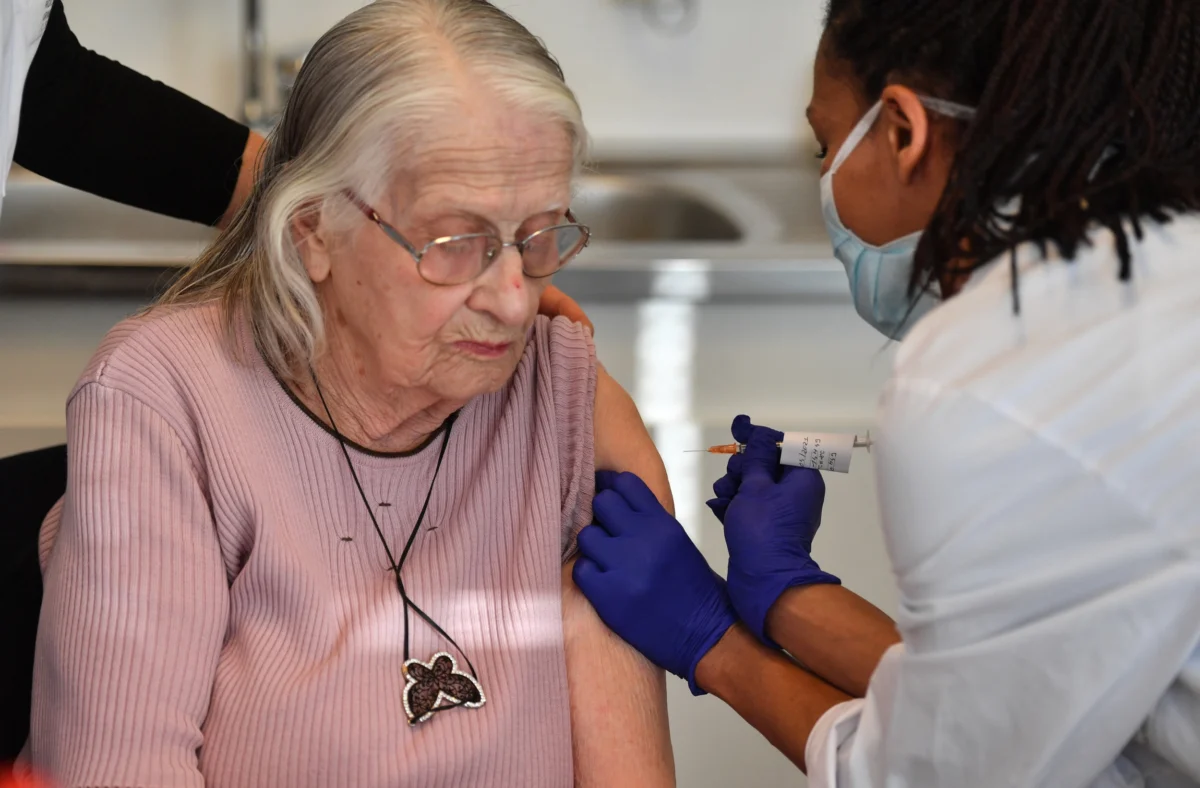
"Understanding individual vaccine eligibility is paramount as respiratory virus season approaches, especially for adults over 60, as recommendations are nuanced and not universally applicable, preventing both under- and over-vaccination."
As respiratory virus season looms, a critical juncture for public health, adults, particularly those aged 60 and above, face a complex landscape of recommended vaccinations. While four key vaccines—influenza, Respiratory Syncytial Virus (RSV), pneumococcal, and shingles—are frequently advised, their applicability is far from uniform. The nuances in eligibility criteria can lead to confusion, resulting in individuals either foregoing vital protection or seeking shots they do not require. This complexity is further compounded by a delay in the official federal reference document, the Centers for Disease Control and Prevention’s (CDC) adult immunization schedule, which currently carries a July 2025 review date. In the interim, professional societies have stepped in to fill the guidance void. For a 62-year-old navigating these recommendations, the underlying medical rationale remains consistent, though the source of the guidance and the confidence with which it can be dispensed have evolved.
The biological realities of aging significantly alter an individual’s susceptibility and response to infectious agents, directly impacting the need for these vaccines. As the immune system naturally declines with age, antibody responses become less robust, the pool of naive immune cells diminishes, and a persistent low-level chronic inflammation can impede recovery from infections. These physiological changes do not necessarily manifest as more severe cold symptoms but rather as an increased risk of serious complications. For older adults, influenza and RSV infections are more likely to progress to pneumonia, a potentially life-threatening condition. Furthermore, these viral infections can exacerbate pre-existing cardiovascular and pulmonary conditions, leading to significant health crises. The hospitalization experience itself poses further risks for this demographic, including deconditioning, the onset of delirium, and a loss of independence that can persist long after the infection has cleared.
Beyond viral threats, bacterial infections also present a heightened risk. Pneumococcal bacteria are a common culprit behind pneumonia, bloodstream infections, and meningitis, often arising as secondary infections following a viral respiratory illness. Shingles, while different in its mechanism—a reactivation of the dormant varicella-zoster virus from childhood—also surfaces more frequently in later life due to the same age-related decline in immune function. This underscores the critical importance of understanding and adhering to the specific vaccine recommendations tailored to these various threats.
Influenza Vaccination: An Annual Necessity with Enhanced Options
Influenza vaccination stands as the most straightforward recommendation: a single dose administered annually to everyone aged six months and older. However, for adults aged 65 and above, there is a specific directive towards enhanced vaccine formulations. These include high-dose, adjuvanted, or recombinant vaccines, all of which are engineered to elicit a more potent immune response in individuals whose immune systems may be less responsive. This targeted approach acknowledges the altered immunological landscape of older adults and aims to provide a higher level of protection against seasonal influenza strains.
RSV Vaccination: A Targeted Approach for Vulnerable Adults
Respiratory Syncytial Virus (RSV) vaccination is frequently misunderstood, with its recommendations being more nuanced than a blanket mandate. The vaccine is recommended for all adults aged 75 and older. For those aged 50 through 74, eligibility is contingent upon the presence of specific risk factors. These include chronic heart or lung disease, diabetes, kidney or liver disease, or residing in a nursing home or long-term care facility. It is crucial to note that the RSV vaccine is administered as a single dose and is not an annual requirement.
Pneumococcal Vaccination: Addressing Bacterial Threats
Pneumococcal vaccination is recommended for adults aged 50 and older. Individuals with certain chronic conditions or compromised immune systems may be advised to receive the vaccine at an earlier age. The number of doses required can vary depending on a person’s vaccination history, making it essential to maintain accurate immunization records. This variability highlights the importance of consulting with a healthcare provider to determine the optimal vaccination schedule.
Shingles Vaccination: Reactivation Prevention
Shingles, a painful rash caused by the reactivation of the varicella-zoster virus, is preventable with a two-dose regimen of the recombinant vaccine for adults aged 50 and older. The recommendation also extends to individuals aged 19 and older who are immunocompromised. Notably, a prior shingles infection does not negate the need for vaccination, nor does having received the older Zostavax vaccine years ago. The current recombinant vaccine offers superior and longer-lasting protection.
COVID-19 Vaccination: An Ongoing Public Health Priority
Alongside these vaccinations, COVID-19 immunization remains a vital component of respiratory illness prevention. Updated COVID-19 vaccines are anticipated to be available with insurer coverage during the current season, mirroring the availability of updated flu vaccines. This continuity in access is critical, even as the mechanisms for official recommendation issuance have faced temporary disruptions.
Financial Accessibility and Coverage Landscape
The financial implications of these recommended vaccinations are largely addressed through Medicare. Medicare Part B typically covers influenza and pneumococcal vaccines without any cost-sharing for beneficiaries. Shingles and RSV vaccines fall under Medicare Part D. Since 2023, recommended adult vaccines covered under Part D have been accessible to beneficiaries without the imposition of deductibles or copayments.
Historically, this comprehensive coverage has been closely tied to the recommendations issued by the federal advisory committee. However, the current strain on the advisory committee’s recommendation process has introduced some uncertainty. An insurance trade group has indicated that its member plans will continue to cover all immunizations that were recommended as of September 1 of the previous year, without cost-sharing, through the end of the current year. The long-term implications beyond this period remain unresolved. This pledge applies specifically to member plans, not necessarily to all insurers. Infectious disease specialists have conveyed that updated flu and COVID-19 vaccines will be available this season, with insurers indicating coverage, at least for the immediate future.
For individuals without insurance, navigating the cost of adult vaccines, particularly shingles and RSV vaccines, can present a more significant challenge. These vaccines can be among the more expensive options at retail pharmacies. However, accessible resources exist, including local health departments, federally qualified health centers, and some pharmacy chains that offer reduced-cost vaccination programs. Pharmaceutical manufacturers also provide patient assistance programs that may alleviate some of the financial burden.
Strategic Timing for Optimal Protection
Strategic planning regarding the timing of vaccinations is essential for maximizing their effectiveness. Influenza vaccination is generally recommended for administration in September or October to ensure that protective immunity is robust during the peak of the flu season. In contrast, RSV, pneumococcal, and shingles vaccines are not tied to specific seasons and can be scheduled at the convenience of the individual. For efficiency and convenience, several vaccines can be administered during a single appointment. However, some individuals may prefer to space out their vaccinations to mitigate the potential for increased arm soreness and short-lived flu-like symptoms, which are common, albeit temporary, side effects.
Empowering the Appointment: Information is Key
The most effective preparation for a vaccination appointment is to compile a comprehensive list of prior immunizations. This list should ideally include the type of vaccine received, the year of administration, and, if possible, the specific product name. While many pharmacies can access their own records, and state immunization registries store data for many adults, gaps in this information are not uncommon, especially for individuals who have relocated or changed healthcare providers.
In addition to vaccination history, it is crucial to bring a current medication list to the appointment. This should include any medications being taken for chronic conditions, as well as any treatments that may affect the immune system. Conditions such as cancer, organ transplant medication, biologics used for autoimmune diseases, or long-term steroid use can significantly alter vaccine recommendations and are frequent reasons why standard advice may not apply.
Managing expectations regarding potential side effects is also important. Common reactions such as arm soreness, fatigue, mild fever, and headache, typically lasting one to two days, are not reasons to forgo future doses. In most states, pharmacists are authorized to administer a wide range of adult vaccines without a physician’s visit, though state-specific regulations may vary. The broader policy landscape surrounding vaccine access and coverage continues to evolve.
For any lingering uncertainties, consulting directly with a clinician is always the most prudent course of action, rather than relying solely on general guides or articles. Individual vaccine eligibility is determined by a combination of age, medical history, and prior vaccination status, and no generalized information can definitively resolve every unique case.
It is also important to frame the conversation around adult vaccinations appropriately. Often, the discussion can devolve into a rigid checklist of shots to be completed after a certain birthday. This perspective is not aligned with how these recommendations are formulated. Such an approach can inadvertently lead to unnecessary anxiety or a complete dismissal of the importance of vaccination. The four vaccines discussed—influenza, RSV, pneumococcal, and shingles—are the most likely to be relevant during the upcoming respiratory virus season, but this does not imply that every individual over a certain age is automatically due for all of them. A personalized approach, guided by healthcare professionals, remains the most effective strategy for ensuring optimal protection.
