
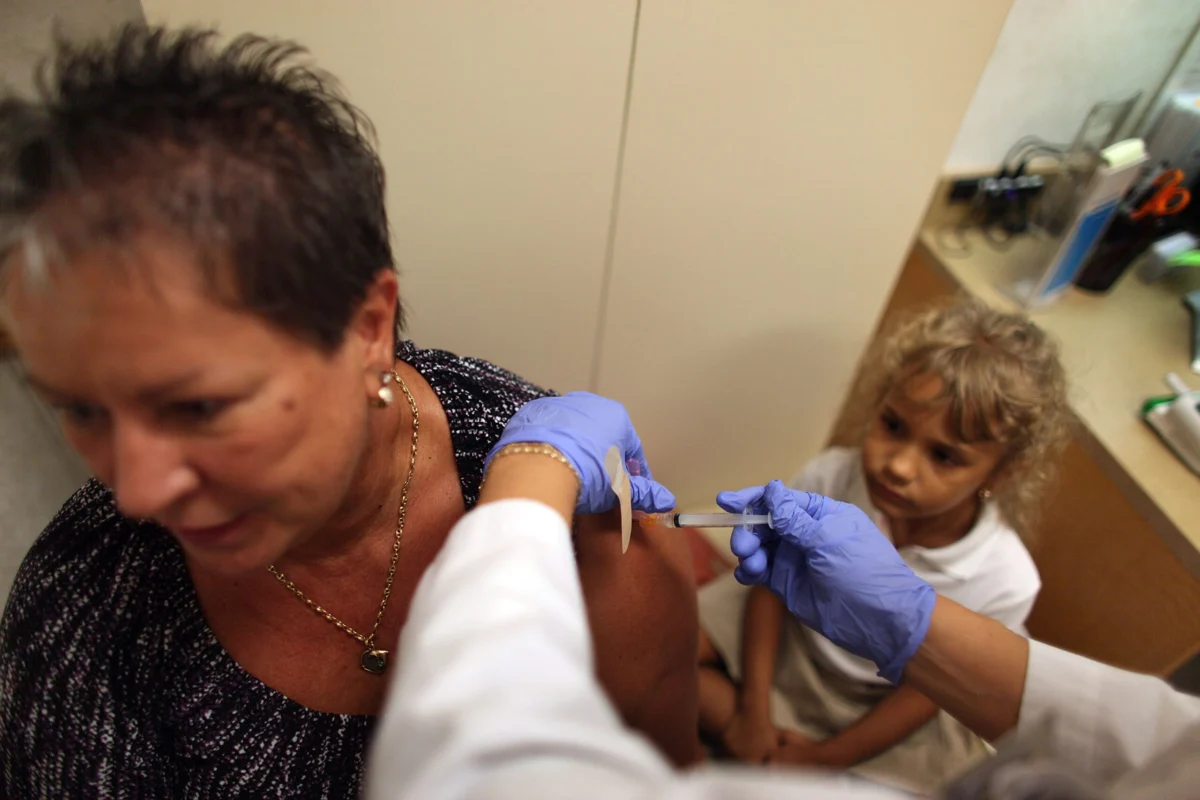
"For the first time this season, every age group has clear, evidence-based vaccine advice from the physicians who treat them, offering a unified approach to respiratory virus protection from infancy through older adulthood."
In a significant move to bolster public health preparedness for the upcoming respiratory virus season, four leading national medical societies have jointly released comprehensive vaccination recommendations covering influenza, COVID-19, and respiratory syncytial virus (RSV). This coordinated playbook, issued on September 2, 2026, by the American Academy of Family Physicians (AAFP), the American Academy of Pediatrics (AAP), the American College of Obstetricians and Gynecologists (ACOG), and the Infectious Diseases Society of America (IDSA), aims to provide families with a clear, unified strategy for protecting individuals across all life stages, from newborns to adults aged 75 and older. The initiative arises in response to a notable absence of updated guidance from federal health agencies like the Centers for Disease Control and Prevention (CDC) for the 2026-2027 season, creating a critical need for expert-led, consolidated recommendations.
The absence of updated federal guidance from the CDC for the 2026-2027 season, particularly concerning COVID-19 and RSV, has created a vacuum that these professional organizations have stepped in to fill. The CDC has reportedly carried over its previous year’s flu guidance, a situation exacerbated by the ongoing lack of a functioning quorum for its vaccine advisory committee following a court ruling in March. This void left many families and healthcare providers navigating uncertainty regarding optimal vaccination strategies. The new, aligned recommendations from the AAFP, AAP, ACOG, and IDSA offer a much-needed consolidated resource, simplifying decision-making for households by presenting a single set of guidelines for flu, COVID-19, and RSV. This unified approach allows parents, pregnant individuals, and older adults to engage in more informed discussions with their clinicians, armed with specific questions and a clear understanding of the proposed immunizations.
A Detailed Look at the Recommendations
The newly released recommendations provide specific guidance tailored to various age groups and risk factors:
Influenza (Flu): Flu shots are recommended for virtually everyone 6 months of age and older, with the caveat that individuals should receive the vaccine unless a specific medical contraindication exists. For adults aged 65 and older, the preference is for an enhanced flu vaccine. These enhanced versions include options like high-dose, adjuvanted, recombinant, or mRNA formulations. However, the recommendation emphasizes that individuals should not delay vaccination to seek out a specific enhanced vaccine if it means missing the optimal window for protection. The goal is broad-based influenza immunity across the population, with a targeted emphasis on maximizing protection for older adults who are more vulnerable to severe outcomes.
COVID-19: The AAFP recommends COVID-19 vaccination for all adults aged 19 and older. Particular emphasis is placed on individuals aged 65 and older, those with a higher risk of experiencing severe illness from COVID-19, and anyone who has not previously been vaccinated against the virus. A significant addition to this year’s guidance is the recommendation for a second dose of the updated COVID-19 vaccine for adults aged 65 and older. This booster dose is advised to be administered six months after the initial dose to help maintain robust protection as immunity naturally wanes over time. For children, the collaborating groups recommend COVID-19 vaccination for all infants between 6 and 23 months old. For children and adolescents aged 2 to 18, a single, risk-based dose is recommended. Furthermore, COVID-19 vaccination is endorsed during pregnancy, irrespective of the trimester, and is also deemed safe and beneficial during breastfeeding.
Respiratory Syncytial Virus (RSV): The recommendations support a one-time RSV vaccine for adults aged 75 and older. Additionally, adults aged 50 to 74 who are identified as being at increased risk for severe RSV disease are also advised to receive the vaccine. The guidance extends to include vaccination for immunocompromised adults and adolescents. For pregnant patients, the specific recommendation is to receive the Abrysvo RSV vaccine between 32 and 36 weeks of gestation. The recommended vaccination window for pregnant individuals has been expanded to encompass September through March, a broader period than the previous September to January timeframe. For infants who will not receive protection through maternal vaccination, the recommendations include the administration of nirsevimab or clesrovimab for infants under 8 months of age. These monoclonal antibody treatments provide passive immunity to protect vulnerable infants during their first RSV season.
Context and Evolution of Guidance
This comprehensive guidance emerges following the FDA’s approval of updated COVID-19 vaccines formulated to target the XFG variant for the 2026-2027 season. Earlier reports highlighted that at the time of FDA approval, federal eligibility and coverage guidelines had not yet been established, leaving patients, clinicians, and pharmacists to make practical vaccination decisions based on limited information. The FDA had initially approved the new COVID-19 vaccine formulations for adults aged 65 and older and for younger individuals with high-risk medical conditions.
The crucial development in the interim is the establishment of a layered recommendation structure. Professional societies have now stepped in to provide the necessary recommendation framework. This effort was underpinned by a rigorous review of scientific literature concerning flu, COVID-19, and RSV vaccines. The Vaccine Integrity Project at the University of Minnesota, in collaboration with the American Medical Association (AMA), conducted a thorough analysis of studies published between August 2025 and June 2026. The four medical societies utilized the findings from this evidence review to formulate their aligned recommendations. Importantly, the review identified no new safety concerns associated with these vaccines.
Dr. Michael Osterholm, executive director of the Vaccine Integrity Project, emphasized the consistency of the scientific evidence: "This year’s review confirms that the newest evidence remains consistent with research showing these immunizations reduce the risk of hospitalization and death among the people most likely to experience serious disease." Despite these society-level recommendations, it is important to note that the federal landscape has not yet fully aligned. FDA approvals continue to define the authorized uses of the new COVID-19 shots, and these society recommendations do not automatically translate into federal coverage mandates.
Navigating Insurance, Costs, and Access
A primary concern for many families is the financial aspect of vaccination, particularly insurance coverage. AHIP, the trade association representing health insurers, has indicated that its member plans will cover the updated COVID-19 vaccines for the 2026-2027 season. This commitment aligns with a broader industry pledge to cover federally recommended vaccines with no out-of-pocket costs for patients through the end of 2027. However, it is crucial to understand that this is a voluntary pledge, and the specifics of coverage can vary significantly between individual health plans. Patients are strongly advised to verify their specific coverage details with their insurance provider.
For Medicare beneficiaries, COVID-19 vaccines are covered under Medicare Part B, ensuring access for eligible older adults. Children can access vaccines through the federal Vaccines for Children (VFC) program, which provides immunizations at no cost to eligible children. Uninsured adults may find free or low-cost vaccination options through local health departments.
Pharmacy access to these vaccines is subject to state regulations. While many states permit pharmacists to administer vaccines directly to adults, some jurisdictions require a prescription for individuals outside the FDA-approved eligibility groups. To avoid unexpected costs, it is recommended that individuals call ahead to confirm whether a pharmacy visit will be billed as in-network with their insurance plan.
Prioritization and Future Outlook
The medical societies have identified several high-priority groups for vaccination this season. These include adults aged 65 and older, pregnant patients approaching their third trimester, families with infants entering their first RSV season, and individuals with compromised immune systems or chronic health conditions. While healthy adults under 65 have more flexibility in their vaccination timing, they are still encouraged to discuss their options with a healthcare provider.
Dr. Sarah Nosal, president of the AAFP, underscored the importance of this physician-led initiative: "As federal guidance evolves, the science behind vaccines remains strong. These recommendations are grounded in the latest evidence, informed by public health experts and shaped by what family physicians are seeing every day in their patients."
Despite the clear guidance provided by these medical societies, some uncertainties persist. A definitive date for a federal advisory committee meeting has not been set, and it remains unclear how insurers will adjust their coverage policies if federal and society recommendations diverge further. To address public inquiries, the AMA is planning a public webinar on these recommendations scheduled for September 23.
Common post-vaccination side effects, such as mild fever, soreness at the injection site, and fatigue, are expected and typically resolve within a day or two. Individuals with a history of severe allergic reactions to vaccines should consult with a clinician before scheduling their appointment. Any instances of difficulty breathing or facial swelling following vaccination warrant immediate emergency medical attention.
For the first time this season, a clear, evidence-based vaccination roadmap is available for every age demographic, provided by the very physicians who provide their day-to-day care. The most proactive steps individuals can take this month include reviewing the specific vaccination needs of each household member, confirming insurance coverage, and scheduling appointments before the typical rise in respiratory virus activity. This consolidated approach empowers families to make informed decisions and proactively protect themselves and their communities throughout the fall and winter months.
