
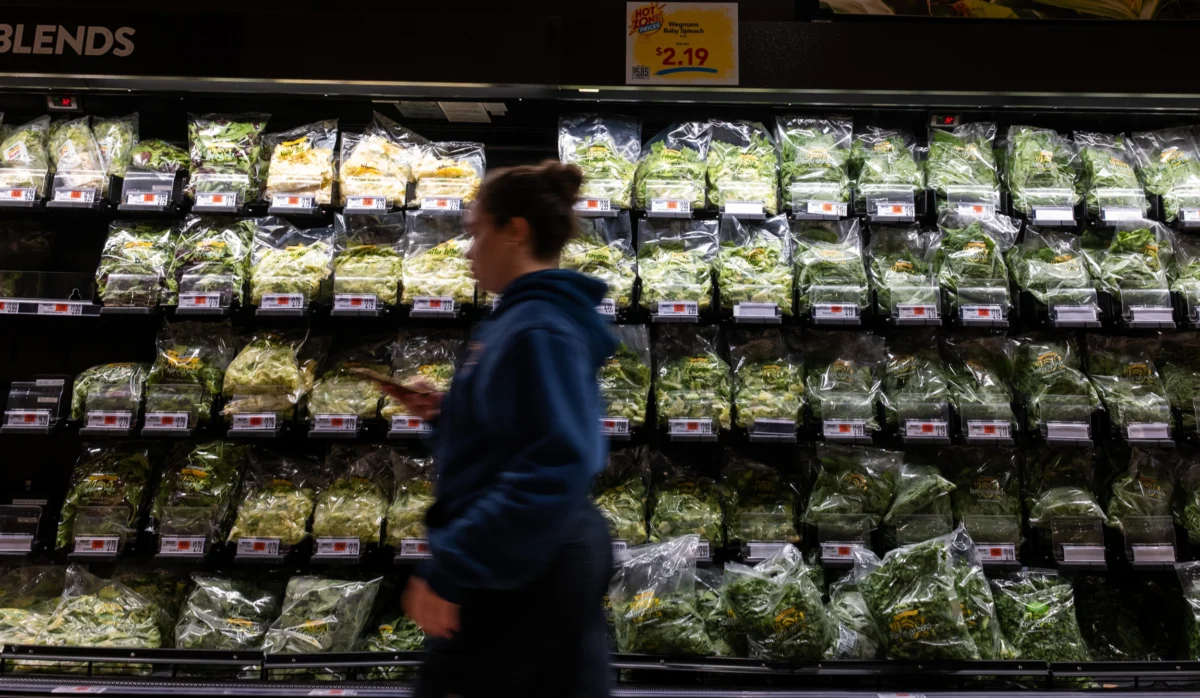
"While the largest Cyclospora outbreak in U.S. history has officially been declared over, federal investigations into the contamination source and other related clusters are ongoing, underscoring persistent challenges in produce safety."
Federal health officials have officially closed the books on the most extensive Cyclospora outbreak ever recorded in the United States, a persistent and widespread contamination event that ultimately led to 12,883 reported illnesses across 21 states. The final tally, announced by the Centers for Disease Control and Prevention (CDC) on September 11th, also includes at least 570 hospitalizations and tragically, two fatalities, both occurring in Michigan. This declaration marks the end of a nearly three-and-a-half-week period since the last reported illness onset on August 17th. While the immediate threat to consumers from the identified product has passed, the broader implications for food safety and regulatory oversight remain a significant concern. The CDC’s concluding investigation update pinpointed iceberg lettuce, specifically that sourced from central Mexico and subsequently recalled by Taylor Farms de Mexico, as the primary vehicle for the outbreak. Virginia was the final state added to the tally before the outbreak was officially declared over. The initial cases linked to this widespread contamination began to emerge as early as June 14th, casting a long shadow over the summer produce season.
For households across the nation, the closure of this outbreak brings a measure of relief, addressing the pervasive question many consumers likely pondered during grocery shopping trips: is the bagged and shredded iceberg lettuce in my cart safe? The answer, for now, is that it is no longer under an active outbreak warning. However, the narrative of this particular outbreak is far from complete. The Food and Drug Administration (FDA) has indicated that its independent investigation into the implicated supplier remains active, alongside separate inquiries into other Cyclospora clusters that surfaced throughout the summer. This suggests that the precise origin and pathway of the contamination event have not yet been definitively established or publicly disclosed, leaving a critical gap in understanding how this microscopic parasite infiltrated the food supply.
The official announcement of the federal investigation into this Cyclospora outbreak occurred on July 16th. Just a day later, traceback efforts converged on a single identified supplier. In response, Taylor Farms de Mexico initiated a voluntary recall. This recall encompassed Marketside-brand iceberg salad and shredded lettuce products sold at Walmart, with "best-if-used-by" dates ranging from July 18th to August 3rd. The recall also extended to a broader list of food service products distributed to various restaurant chains, highlighting the widespread reach of the contaminated product.
Despite the recall, case counts continued to climb for several weeks. This sustained rise in reported illnesses may have unsettled shoppers who understandably assumed that a product recall would signal an immediate cessation of new infections. The explanation for this temporal disconnect lies in the inherent delays within the public health surveillance system. Cyclospora, a parasitic protozoan, typically has an incubation period of approximately one week or longer before symptoms manifest. Following symptom onset, further time is required for laboratory confirmation of the infection and for public health officials to conduct interviews and gather epidemiological data. Consequently, a newly reported case often represents an infection that occurred weeks prior, with its detection and reporting delayed by these diagnostic and investigative processes. The majority of illnesses associated with this outbreak had actually begun before the recall was even announced.
The FDA’s dedicated outbreak investigation page provided crucial context, noting that the "best-by" dates on the recalled lettuce had already passed. This indicates that, by the time the recall was in effect, the implicated product should no longer have been available for purchase in stores or restaurants. In its concluding update, the CDC offered a further note of caution, stating that "the true number of sick people in this multistate outbreak was likely higher" than the confirmed figure. This estimation is based on the understanding that many individuals experiencing diarrheal illness never seek medical attention or undergo diagnostic testing, thus remaining uncounted in official statistics. Food Safety News reported that during the peak of the outbreak, prior to the recall, the number of infections occurring on a single day exceeded 1,000, underscoring the rapid and widespread nature of the contamination.
The impact of this outbreak was not evenly distributed across the nation. Michigan, in particular, bore a disproportionately heavy burden, experiencing both of the reported fatalities. The Michigan Department of Health and Human Services (MDHHS) maintained its own detailed tracking of statewide cyclosporiasis cases throughout the investigation period. As of September 3rd, the state reported an astonishing 14,718 cases and 366 hospitalizations. To put this into perspective, Michigan typically identifies approximately 50 cyclosporiasis cases in an entire year, making the outbreak-linked numbers a stark anomaly.
It is important to note that Michigan’s reported case count exceeds the national outbreak-linked total. This discrepancy arises because the state’s figures encompass all reported cyclosporiasis cases occurring within the investigation window, not exclusively those definitively confirmed by investigators to be linked to the recalled lettuce. The two deaths in Michigan involved individuals with significant pre-existing health conditions, which may have been exacerbated by Cyclospora infection and subsequent dehydration, according to state health officials.
The earliest signs of the outbreak appeared to concentrate in Southeast Michigan. The state identified its first case on June 22nd. On June 29th, the Monroe County Health Department announced its investigation into a cluster of illnesses, preceding the statewide outbreak announcement by the state health department and occurring weeks before the national link to lettuce was established. Initial cases were heavily concentrated in Monroe, Lenawee, and Washtenaw counties. As the outbreak progressed and data was aggregated over the entire period, the highest county-level case totals shifted to Wayne, Oakland, Washtenaw, and Ingham counties, indicating a broader geographic spread within the state.
The conclusion of the CDC’s outbreak investigation does not signify the end of federal investigative efforts. The FDA’s post-outbreak response activities indicate that the agency is continuing its comprehensive investigation into Taylor Farms de Mexico. Concurrently, the FDA is strategically shifting its focus towards prevention-oriented activities and is actively examining other Cyclospora clusters that emerged during the summer months. To address potential systemic issues, the FDA commenced on-site inspections and sample collection at lettuce growers in Mexico on August 20th. Furthermore, senior officials from both the FDA and Mexican regulatory bodies convened during the week of September 8th to discuss the development of a prevention framework specifically for produce cultivated in Mexico. Across the entire investigation period, spanning from May to September, the CDC reported a total of 19,595 laboratory-confirmed cyclosporiasis cases acquired within the United States. This aggregate figure importantly includes the outbreak definitively linked to iceberg lettuce, as well as other distinct clusters of illness that were not tied to this specific event, underscoring the multifaceted nature of Cyclospora transmission.
This distinction between the specific lettuce-linked outbreak and other clusters is critical for consumer understanding. It highlights that the contamination events observed this summer were not confined to a single product line originating from one processing facility. The precise pathway by which the Cyclospora parasite entered the food supply remains an unresolved question in the public domain, prompting ongoing scrutiny of agricultural and processing practices.
Cyclospora is a microscopic protozoan parasite that spreads when food or water becomes contaminated with feces containing the parasite. It is important to note that Cyclospora does not transmit directly from person to person. The characteristic symptoms of cyclosporiasis include watery diarrhea, which can be frequent and profuse, loss of appetite, significant weight loss, abdominal cramping, and profound fatigue. These symptoms can persist for an extended period, ranging from a few days to over a month, and in some cases, individuals may experience apparent recovery followed by a relapse. Treatment for Cyclospora infection involves prescription antibiotics. Therefore, individuals experiencing prolonged diarrheal illness are strongly advised to consult a clinician and specifically inquire about Cyclospora testing, rather than simply waiting for symptoms to resolve on their own.
The effectiveness of washing produce in preventing Cyclospora infection is limited. Rinsing fruits and vegetables does not reliably remove the microscopic cysts of the parasite. This is precisely why public health interventions and investigations typically focus on controls at the growing and processing levels, rather than solely on kitchen-sink practices. For households seeking to mitigate their risk of infection, practical measures include cooking produce when feasible, diligently monitoring recall notices for products frequently purchased, and retaining receipts for fresh produce purchases. These receipts can be invaluable for verifying whether a purchased item was part of a recall and can also aid in any subsequent illness investigation.
Several critical questions persist in the wake of this extensive outbreak. The exact source of contamination at either the growing or processing stage has not been publicly identified. Additionally, the FDA has not provided a timeline for the release of its investigative findings. The broader implications of this outbreak extend beyond consumer concerns, highlighting the complex challenges inherent in ensuring the safety of fresh produce, particularly when sourced internationally. MedicalDaily will continue to monitor and report on the FDA’s post-response updates and any further developments in the ongoing investigations.
Key Questions Answered
Is the outbreak really over?
The CDC declared the multistate outbreak officially over on September 11th, following a cessation of new illnesses and the expiration of the "best-by" dates for the recalled product. However, the FDA’s independent investigation into the supplier involved in the outbreak remains active.
How many people got sick?
The final confirmed count reached 12,883 illnesses across 21 states. This figure includes at least 570 hospitalizations and two deaths, both occurring in Michigan. The CDC has indicated that the true number of infections was likely higher, as many individuals with diarrheal illnesses do not undergo testing.
What product was recalled?
The primary recalled product was iceberg lettuce sourced from central Mexico and processed by Taylor Farms de Mexico. This included Marketside-brand iceberg salad and shredded lettuce sold at Walmart, along with various food service products distributed to restaurant chains.
Is lettuce safe to buy now?
The specific product linked to this outbreak is past its "best-by" dates and should no longer be available in stores or restaurants. There is currently no active outbreak warning associated with iceberg lettuce. Standard produce-handling practices should be followed.
What are the symptoms of cyclosporiasis?
Symptoms typically include watery diarrhea, frequent bowel movements, cramping, loss of appetite, weight loss, and fatigue. These symptoms can last for several weeks and may occasionally resolve and then reappear.
Can washing lettuce prevent infection?
Washing produce does not reliably remove the Cyclospora parasite. Prevention relies heavily on controls implemented at the farm and processing levels, which is why federal investigators prioritize these areas.
What should someone do if they are still sick?
If experiencing prolonged diarrheal illness, it is crucial to contact a clinician and specifically request testing for Cyclospora, as it may not be included in standard stool sample panels. Cyclospora infection is treatable with prescription antibiotics.
