
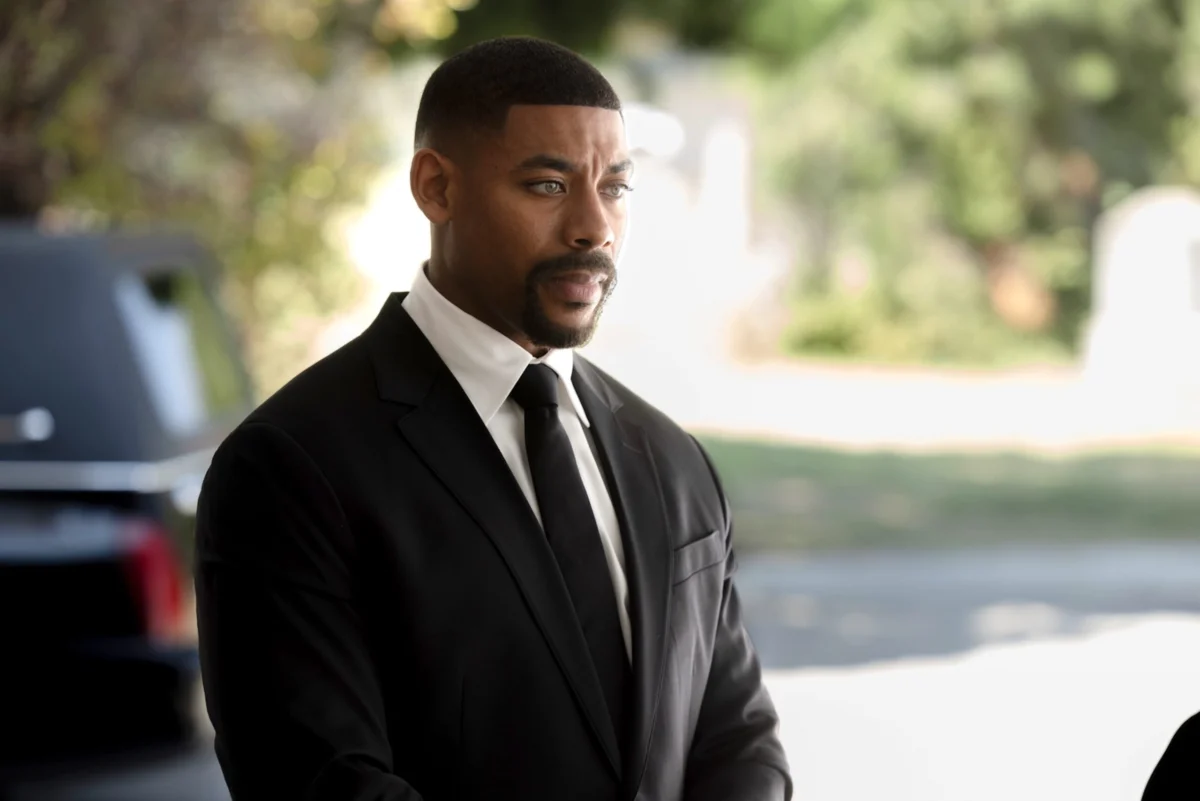
Aaron Pierre’s portrayal of John Stewart in Lanterns has cemented the character as a cornerstone of James Gunn’s DC Universe, signaling a shift toward grounded, genre-bending storytelling that extends into the upcoming Man of Tomorrow. This transition marks a pivotal moment for DC Studios as it moves away from traditional superhero tropes in favor of complex, character-driven narratives that prioritize cinematic texture and actor chemistry.
The landscape of modern superhero cinema is undergoing a radical transformation, and at the center of this shift is James Gunn’s burgeoning DC Universe (DCU). After a decade of tonal inconsistency and shifting creative directions under previous leadership, the new DC Studios—led by Gunn and Peter Safran—is attempting to build a cohesive, interconnected world that balances blockbuster spectacle with prestige television sensibilities. While the early stages of this "Gods and Monsters" chapter have seen varying degrees of success, the HBO series Lanterns has emerged as a definitive triumph, largely due to the casting of Aaron Pierre as John Stewart. As the franchise looks toward the future, the integration of Pierre’s Stewart into the broader cinematic tapestry suggests a long-term strategy built on high-caliber acting and a willingness to explore diverse film genres.
The success of Lanterns represents a departure from previous attempts to bring the Green Lantern Corps to the screen. Unlike the 2011 film, which leaned heavily into cosmic CGI and space-opera clichés, Lanterns adopts a "True Detective" approach, framing the intergalactic peacekeepers as gritty investigators. This noir-inspired lens has allowed the series to explore the psychological depth of its leads. The dynamic between Kyle Chandler’s seasoned, weary Hal Jordan and Aaron Pierre’s disciplined, ascending John Stewart has become the show’s emotional engine. Their chemistry provides a necessary anchor for a story that oscillates between terrestrial mystery and cosmic consequence.

Central to the narrative intrigue of Lanterns is the mystery surrounding Hal Jordan’s fate. The show’s 2026 timeline initially presented a shocking revelation: the apparent death of Hal Jordan. While comic book narratives are famous for "fake-out" deaths and multiversal redirects, the thematic weight of the first season suggests a genuine passing of the torch. By positioning John Stewart as the primary protagonist moving forward, DC Studios is embracing a character who has long been a fan favorite but has often been sidelined in live-action adaptations. John Stewart, an architect and former Marine, brings a level of tactical precision and moral complexity to the role that contrasts sharply with the "fly-by-the-seat-of-his-pants" archetype associated with Hal Jordan.
Aaron Pierre’s rise to this level of prominence is no accident. The actor has recently become one of Hollywood’s most sought-after talents, following a breakout performance in the Netflix action-thriller Rebel Ridge. In that film, Pierre demonstrated a rare combination of physical intensity and quiet, simmering intelligence—traits that are essential for a character like Stewart. His ability to command the screen without relying on histrionics makes him the ideal lead for Gunn’s more grounded DCU. Gunn himself has signaled that Stewart is "our guy" for the foreseeable future, a sentiment backed by the announcement that Pierre will reprise the role in Man of Tomorrow, the highly anticipated sequel to Gunn’s Superman.
The inclusion of John Stewart in Man of Tomorrow serves several strategic purposes. First, it reinforces the "shared universe" concept without the forced cameos that plagued previous iterations of the franchise. Second, it places Stewart alongside other emerging heroes, such as Xolo Maridueña’s Blue Beetle and Nathan Fillion’s Guy Gardner, suggesting the slow assembly of a new Justice League or a similar protective coalition. While the extent of Pierre’s role in the sequel remains under wraps, his presence alone indicates that the Green Lanterns will be integral to the DCU’s overarching geopolitical and cosmic conflicts.
As DC Studios plans for the years beyond 2026, the question of creative direction becomes paramount. James Gunn has demonstrated a preference for working with filmmakers who possess distinct visual and narrative voices. If the Green Lantern property eventually migrates back to the big screen for a standalone feature, the choice of director will define the next decade of the character’s history. Several contemporary filmmakers offer intriguing possibilities for how the Stewart/Gardner dynamic could be explored, particularly if the "buddy-cop" energy of the television series is maintained.

One potential direction involves the "crime-thriller" aesthetic. Filmmakers like Bart Layton, known for the heist film American Animals and the gritty Crime 101, could bring a Michael Mann-esque level of sophistication to the Green Lantern Corps. A film that treats the "Space Cops" moniker literally—focusing on jurisdiction, intergalactic law, and the moral rot within cosmic institutions—would align perfectly with the tone established in Lanterns. This would allow Aaron Pierre to utilize the stoic, investigative skills he honed in Rebel Ridge, providing a sharp contrast to the more abrasive, impulsive personality of Nathan Fillion’s Guy Gardner.
Alternatively, the DCU could lean into the "weird and trippy" aspects of the Green Lantern lore. Rose Glass, the visionary behind Saint Maud and Love Lies Bleeding, has shown a remarkable ability to blend psychological horror with visceral action. Applying her surrealist touch to the Green Lantern ring’s constructs—which are essentially manifestations of pure will and imagination—could result in some of the most visually inventive sequences in superhero history. This approach would move the character away from standard "laser-beam" combat and into the realm of high-concept science fiction.
The history between Aaron Pierre and his past collaborators also offers a roadmap for future success. Jeremy Saulnier, who directed Pierre in Rebel Ridge, is a master of "tension-and-release" filmmaking. His movies, such as Green Room and Blue Ruin, are defined by their brutal realism and high stakes. A Saulnier-directed Green Lantern film would likely be a grueling, high-intensity affair that tests the limits of Stewart’s endurance. Given their established rapport, Saulnier would be uniquely positioned to extract a career-defining performance from Pierre. Similarly, M. Night Shyamalan, who worked with Pierre on the film Old, could bring a sense of mystery and grand scale to the franchise, though his penchant for high-concept twists might represent a more polarizing choice for the fan base.
Despite the excitement surrounding Lanterns and Pierre’s casting, the DCU still faces significant challenges. The "miss" of the Supergirl project earlier this summer served as a reminder that the brand is still in a state of recovery. Audiences are increasingly discerning, and the "superhero fatigue" often cited by industry analysts is largely a reaction to formulaic storytelling. The success of John Stewart as a character depends on DC’s ability to keep the stakes personal and the world-building purposeful. By focusing on the human element—Stewart’s background, his struggles with the burden of the ring, and his relationship with his peers—Gunn and Pierre have a chance to create a legacy that transcends the genre.

In conclusion, the future of the Green Lantern franchise is brighter than it has been in decades. Through Aaron Pierre, John Stewart has finally found a live-action voice that matches the character’s comic book stature. As the DCU expands through Man of Tomorrow and potential future seasons of Lanterns, the focus remains on quality over quantity. By treating these characters as figures in a vast, complex drama rather than mere cogs in a merchandising machine, DC Studios is laying the groundwork for a cinematic universe that can compete not just at the box office, but in the cultural zeitgeist. Whether through gritty crime sagas or trippy cosmic adventures, Aaron Pierre’s John Stewart is poised to lead the charge into a new era of superhero storytelling.
