
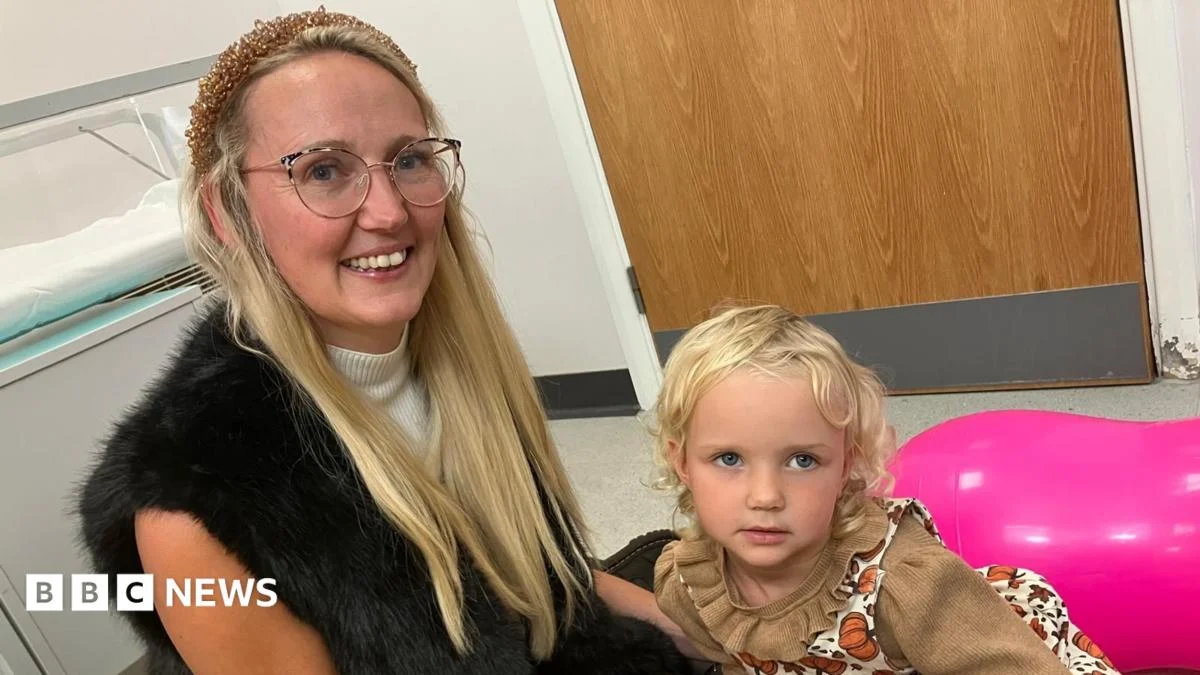
"Phoebe’s harrowing battle with RSV serves as a stark reminder of the virus’s severe potential, particularly for infants and the elderly, underscoring the urgent need for widespread vaccination to protect our most vulnerable."
The terrifying experience of a Pembrokeshire family, whose newborn battled severe Respiratory Syncytial Virus (RSV) bronchiolitis, highlights the often-underestimated dangers of this common winter pathogen. While frequently dismissed as a mild cold, RSV can rapidly escalate into life-threatening conditions for vulnerable populations, including very young babies and older adults. This compelling narrative, coupled with crucial public health initiatives, reinforces the critical importance of understanding RSV, recognizing its symptoms, and embracing available vaccination programs to mitigate its devastating impact on communities and healthcare systems.
For Joanne Goldsmith, a seasoned children’s nurse and health visitor hailing from Haverfordwest, Pembrokeshire, the arrival of her daughter Phoebe four years ago brought immense joy, swiftly followed by an unsettling premonition. Within mere days of Phoebe’s birth, Goldsmith’s professional instincts, honed through years of caring for children, alerted her that something was amiss. At just five days old, Phoebe presented with significant congestion, and critically, an alarmingly rapid and labored breathing pattern. Goldsmith, acutely aware of the subtle signs of infant distress, recognized these symptoms as far beyond typical newborn sniffles. Her immediate concern propelled her to seek urgent medical attention, initiating a harrowing journey that would profoundly test her family’s resilience.
Upon admission to the hospital, Phoebe’s condition rapidly deteriorated, escalating the medical team’s concerns. The family received the devastating diagnosis on Christmas Eve: Phoebe had RSV positive bronchiolitis. The festive period, typically a time of celebration and family gatherings, transformed into an anxious vigil. While the family braced themselves for a prolonged hospital stay, they could not have anticipated the severity of the battle that lay ahead. RSV, a common respiratory virus, had taken an aggressive hold on their tiny infant, threatening her fragile respiratory system. Bronchiolitis, an inflammation of the small airways in the lungs, is particularly perilous for infants due to their underdeveloped respiratory tracts. The swelling and mucus accumulation can severely impede breathing, leading to oxygen deprivation.
Phoebe’s rapid decline soon necessitated her transfer to the hospital’s high dependency unit (HDU), a specialized area for critically ill patients requiring close monitoring and intensive care. For Goldsmith, her extensive experience as a nurse left her under no illusions: "we were going to be in for a bit of a rough ride." This professional insight allowed her to mentally prepare for the arduous challenge, yet it did little to diminish the emotional toll of seeing her own child in such a precarious state. A nurse’s intuition, combined with observing specific clinical signs like persistent tachypnea (abnormally rapid breathing), retractions (sinking in of the skin around the ribs or neck with each breath), and increasing lethargy, often signals a trajectory towards severe illness.
Phoebe, however, displayed an extraordinary tenacity, embarking on "her own unique path with it" and, as Goldsmith recounts, "really kept the doctors on their toes." This often implies that Phoebe’s response to treatment was unpredictable, her condition fluctuating in ways that defied typical medical expectations, forcing the medical team to continually adapt their strategies. The gravity of the situation was underscored when Goldsmith was taken to a room and shown Phoebe’s X-rays. The images revealed a lung condition so severe that doctors "weren’t quite sure which way we were going to go with things." In such dire moments, medical professionals often communicate the stark realities, and Goldsmith candidly stated, "They sort of prepared us for… the worse." This chilling phrase encapsulates the profound fear and uncertainty that gripped the family as they confronted the possibility of losing their newborn, contemplating potential scenarios such as prolonged ventilation, organ failure, or even death.
RSV, or Respiratory Syncytial Virus, is a highly contagious and common respiratory pathogen that circulates widely every winter. Belonging to the Paramyxoviridae family, it is a single-stranded RNA virus transmitted through respiratory droplets from coughing or sneezing, and direct contact with contaminated surfaces. While often manifesting as mild, cold-like symptoms in healthy adults and older children—such as a runny nose, cough, and low-grade fever—its impact can be catastrophic for specific vulnerable populations. These include infants, especially those born prematurely or with underlying heart or lung conditions; older people, particularly those with chronic diseases; and individuals with weakened immune systems. For these groups, RSV can precipitate severe lower respiratory tract infections, most notably bronchiolitis (inflammation of the small airways) and pneumonia (infection of the lung tissue), which can necessitate hospitalization, intensive care, and, in tragic instances, prove fatal.
The epidemiological data from Wales paints a clear picture of RSV’s significant public health burden. During a typical RSV season, infections in children under two years old are responsible for approximately 7,000 to 9,500 GP appointments, indicating a substantial primary care workload. More critically, these infections lead to between 2,300 and 2,600 hospital admissions annually in Wales for this age group alone. The implications for healthcare resources, especially during peak winter periods, are considerable, straining pediatric wards, emergency departments, and intensive care units, often leading to bed shortages and staff burnout. This burden underscores the urgent need for effective preventive strategies.
The threat extends significantly to the elderly population, where RSV often goes unrecognized or is misdiagnosed as influenza. It is estimated that RSV infection in individuals aged 75 and over accounts for a staggering 7,000 to 9,000 GP appointments, 700 to 1,000 hospital admissions, and a sobering 400 to 600 deaths in Wales each year. This highlights RSV as a major contributor to winter mortality and morbidity among older adults, often exacerbating pre-existing conditions like heart failure, chronic obstructive pulmonary disease (COPD), and diabetes. The insidious nature of RSV means its severe manifestations can mimic other common winter viruses, making accurate diagnosis crucial for effective management and appropriate public health interventions.
Recognizing the severe impact of RSV, particularly on these vulnerable demographics, public health authorities have championed proactive vaccination strategies. The RSV vaccine is now routinely offered year-round in Wales to two key groups. Firstly, all adults aged 75 and over are encouraged to receive the vaccine once, providing crucial, long-lasting protection against severe disease. This single dose aims to bolster their immune defenses against a virus that can have devastating consequences in older age. Secondly, pregnant women from 28 weeks gestation are offered the vaccine. This maternal immunization strategy is designed to protect newborn babies from the virus. By vaccinating expectant mothers, specific antibodies are passed across the placenta to the developing fetus, conferring passive immunity to the newborn during their most vulnerable first few months of life, when their own immune systems are still developing. This passive protection is critical during the period when infants are at highest risk for severe RSV outcomes. The Welsh government emphasizes that older people only require the vaccine once, while pregnant women should receive it with every pregnancy to ensure each new baby benefits from this vital protection.
It is crucial, as the Welsh government reminds the public, that the RSV vaccine is distinct from the annual flu vaccine and the COVID-19 booster. These vaccines target different viruses and offer different protections, making it imperative for eligible individuals to receive all recommended immunizations. The concurrent circulation of influenza, SARS-CoV-2 (the virus causing COVID-19), and RSV during winter months creates a "triple threat" scenario, capable of overwhelming healthcare services and significantly increasing individual risk of severe illness, hospitalization, and death. Protecting against one virus does not confer immunity against the others.
Further expanding its protective reach, this autumn has seen the offer of an RSV vaccine extended to a broader cohort of higher-risk adults aged 65 to 74. This includes individuals who are immunosuppressed, meaning their immune systems are compromised due to disease or medication (e.g., cancer patients, organ transplant recipients, those on high-dose steroids), or those with chronic respiratory diseases such as chronic obstructive pulmonary disease (COPD), severe asthma, or cystic fibrosis. These underlying health conditions significantly increase their susceptibility to severe RSV outcomes, making targeted vaccination a critical preventive measure. This expansion reflects a growing understanding of RSV’s pervasive threat across the adult lifespan and a commitment to safeguarding those at greatest risk, aligning with broader public health goals to reduce winter pressures on the health service.
Evans, a representative from the Welsh government, powerfully articulated the significance of stories like Phoebe’s, stating it was a "powerful reminder of how serious RSV can be," not only for babies but also for older people. This personal narrative transforms abstract statistics into a tangible human experience, resonating deeply with the public and underscoring the real-world impact of viral infections. Evans’s call to action is clear and urgent: "I urge all who are eligible to come forward for their flu jab, their COVID-19 booster and their RSV vaccine." This comprehensive approach to vaccination is not merely a recommendation but a vital public health imperative. "They protect against different viruses, and it really can make the difference between a mild illness and a serious hospital stay," she concluded, emphasizing the potential life-saving impact of these preventive measures.
The importance of this multi-pronged vaccination strategy cannot be overstated. By protecting individuals, these vaccines collectively contribute to herd immunity, reducing the overall circulation of these viruses within the community and safeguarding those who cannot be vaccinated, such as very young infants before their mothers receive the vaccine, or individuals with specific medical contraindications. The winter months invariably place immense pressure on healthcare systems, with emergency departments and hospital beds often stretched to their limits. Reducing the incidence of severe RSV, flu, and COVID-19 infections through widespread vaccination can alleviate this burden, ensuring that healthcare resources remain available for all who need them. Beyond the immediate protection, understanding the broader implications of RSV is vital. Parents of newborns, in particular, should be vigilant for symptoms such as rapid breathing, wheezing, flaring nostrils, chest indrawing (when the skin between the ribs or below the collarbones visibly sinks in with each breath), or a bluish tint to the lips or skin (cyanosis), and seek immediate medical attention if these signs appear. Education campaigns play a crucial role in raising public awareness about RSV’s dangers and the availability of preventive measures. The ongoing efforts by the Welsh government to expand vaccine access and promote uptake are commendable steps towards building a more resilient and protected community against the silent, yet often devastating, threat of RSV. Phoebe’s story, while harrowing, stands as a testament to the fragile line between health and severe illness in infancy, and a powerful endorsement of the life-saving potential of modern medicine and public health initiatives.
