
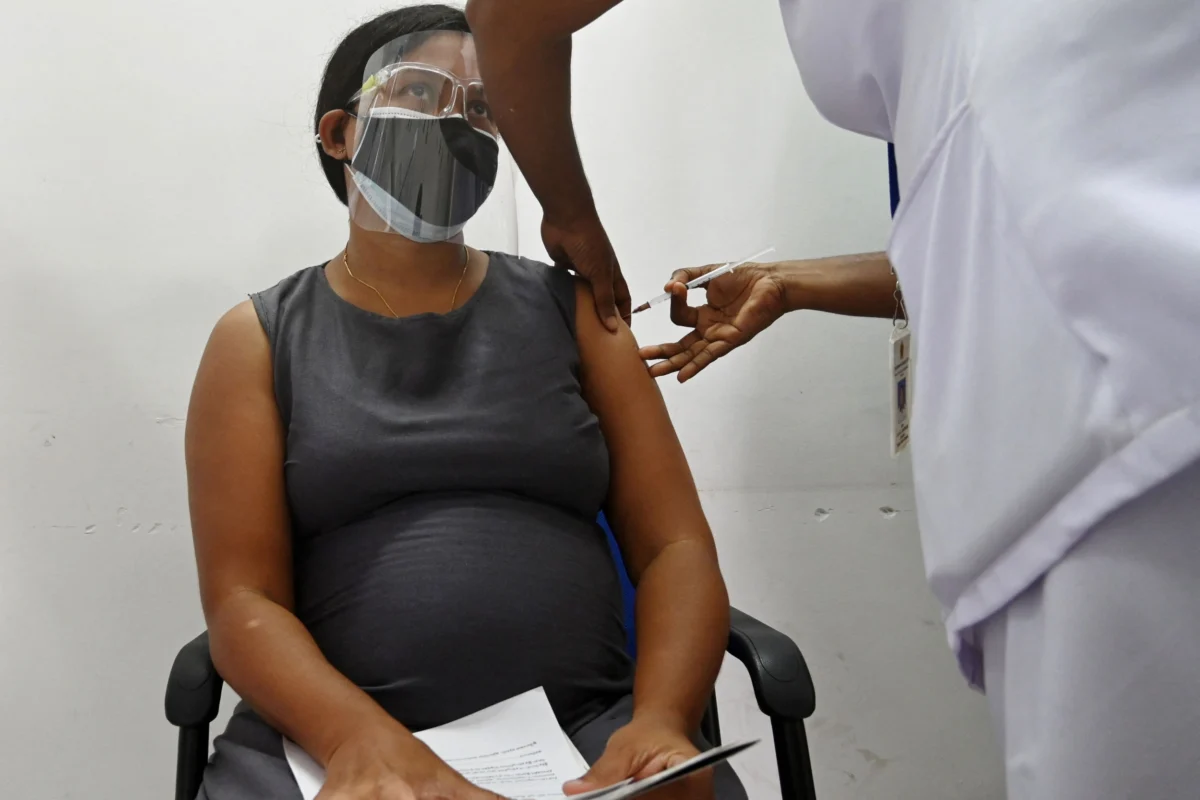
"While not an outbreak, Delaware is seeing a concerning uptick in whooping cough cases, particularly among infants and teenagers. This trend underscores the critical need for vaccination, especially for expecting mothers, to protect our most vulnerable populations."
Delaware is currently experiencing a notable increase in whooping cough, also known as pertussis, with 13 cases reported in 2026 to date. This figure surpasses the 11 cases recorded in all of 2025 and represents a significant jump from the single case observed in 2023. While this rise is not classified as an outbreak, health officials are urging heightened awareness among parents, schools, and expectant mothers to prevent further spread. The cases have been identified in both teenagers and infants, highlighting the diverse age groups affected and the potential for transmission within communities. Delaware Surgeon General Dr. Neal Hockstein emphasized that while the numbers are not yet at crisis levels, the upward trend warrants proactive measures. Reports of potential spread within school settings in September have further fueled this call to action. The primary concern for public health authorities remains the protection of newborns, who are too young to receive their initial whooping cough vaccinations until they are at least two months old. Consequently, maternal vaccination during pregnancy is identified as the most effective early defense for infants.
The Division of Public Health first issued a formal alert regarding this growing trend in Health Advisory 535, released on August 12, 2026. This advisory detailed an increase in pertussis cases that began on June 11, with a particular concentration among adolescents and infants. Notably, the advisory also acknowledged that some individuals who contracted the illness had previously been vaccinated, underscoring the importance of understanding vaccine efficacy over time and the need for boosters.
In response to the advisory, clinicians were instructed to test patients presenting with a prolonged cough for pertussis, irrespective of their immunization status. The recommended diagnostic approach includes nasal swab PCR testing. Furthermore, the advisory stressed the importance of initiating early antibiotic treatment for suspected cases. For close contacts, particularly those at high risk such as infants and women in their third trimester of pregnancy, preventive antibiotic therapy was recommended within 21 days of exposure. However, specific demographic data, including the age breakdown of the 13 reported cases, hospitalization rates, and county-specific case counts, have not yet been publicly released by the state.
The situation in Delaware contrasts with the national picture. Preliminary data from the Centers for Disease Control and Prevention (CDC) indicated a decrease in reported pertussis cases nationwide in 2026 compared to the same period in 2025. This divergence makes Delaware’s local increase a critical point of focus for public health surveillance, even as it is managed without escalating to a full-blown crisis response.
Whooping cough, medically termed pertussis, is a highly contagious bacterial infection transmitted through respiratory droplets expelled during coughing and sneezing. In older children and adults, the initial symptoms often mimic those of a common cold, progressing over several weeks to characteristic bouts of severe coughing. For infants, however, the disease can be far more serious, even life-threatening. Their narrower airways can lead to significant breathing difficulties, and in some cases, infants may experience brief pauses in breathing rather than coughing fits.
The CDC highlights that infants under one year of age experience the highest reported incidence rates of pertussis and face the most substantial risk of severe illness and mortality. Dr. Hockstein elaborated that the illness can be protracted, lasting six weeks or longer, with coughing fits so intense they can induce vomiting. The role of adolescents in the transmission chain is particularly significant. Immunity derived from childhood vaccinations tends to wane over time, meaning a teenager experiencing a mild, persistent cough could inadvertently introduce the bacteria into a household with a newborn sibling, potentially without recognizing the danger. This is precisely why Delaware’s health advisory emphasizes the Tdap booster vaccine, recommended for individuals between the ages of 11 and 12, and a single Tdap dose for adults who have not previously received it.
The CDC strongly recommends that pregnant women receive the Tdap vaccine during each pregnancy, ideally between the 27th and 36th week, with an emphasis on administering it earlier within this window. This timing is crucial because the mother’s body generates protective antibodies that are then transferred to the fetus before birth, providing a vital layer of immunity to the infant until they can begin their own vaccination series.
According to CDC data, Tdap vaccination administered between weeks 27 and 36 of gestation has been shown to reduce the risk of whooping cough in infants younger than two months by an impressive 78%. Furthermore, it has demonstrated effectiveness in protecting approximately 90% of babies from infections severe enough to require hospitalization. To ensure optimal protection, a dose of Tdap is advised for every pregnancy, even when pregnancies occur only a year or two apart, as each baby benefits from a fresh infusion of maternal antibodies. Following their initial protection from maternal antibodies, infants commence the DTaP vaccination series at two months of age, with subsequent doses administered throughout early childhood.
For families anticipating the arrival of a newborn, it is also recommended that they encourage partners, grandparents, and other regular caregivers to ensure their Tdap vaccination status is up to date. By minimizing the number of unvaccinated individuals in close proximity to a newborn, the opportunities for the pertussis bacteria to reach the infant are significantly reduced.
It is important to note that the Tdap vaccine is not an impenetrable shield. As indicated by Delaware’s health advisory, some of the cases identified this summer occurred in vaccinated individuals, which aligns with the understanding that vaccine-induced immunity can diminish over time. Nevertheless, Tdap vaccination during pregnancy remains the most robust strategy for safeguarding newborns during their most vulnerable early weeks of life. Pregnant women who are uncertain about their vaccination history from previous pregnancies should still opt to receive the Tdap vaccine during their current pregnancy, as each child requires the benefit of current maternal antibodies.
Recognizing the symptoms of whooping cough is crucial for timely intervention. Early signs of pertussis often resemble those of a common cold, including a runny nose, low-grade fever, and a mild, infrequent cough. However, after one to two weeks, the cough can escalate into paroxysms of rapid, forceful coughing fits, often followed by a characteristic high-pitched "whoop" sound as the individual inhales. Vomiting during or immediately after coughing episodes is also a common symptom.
Parents are advised to consult a pediatrician if their child’s cough is persistent or occurs in fits, particularly if there is a pregnant individual or a newborn in the household. Prompt antibiotic treatment can be beneficial, and Delaware’s health advisory strongly encourages healthcare providers to initiate such treatment when pertussis is suspected.
Infants may not exhibit the typical coughing or "whooping" sounds. Instead, an infant experiencing pauses in breathing, turning blue or gray, or struggling to breathe requires immediate emergency medical attention. Families should alert healthcare facilities in advance of bringing such an infant to the emergency room so that appropriate measures can be taken to prevent transmission in the waiting area.
Healthcare providers can report suspected pertussis cases to the Delaware Division of Public Health’s Office of Infectious Disease Epidemiology. This can be done on weekdays between 8 a.m. and 4:30 p.m. by calling 302-744-4990, or at any time by calling 1-888-295-5156.
Key Questions Answered
How many whooping cough cases does Delaware have? Delaware Surgeon General Dr. Neal Hockstein stated there have been 13 cases reported in 2026 so far, compared to 11 cases in all of 2025 and 45 cases in 2024.
Is this an outbreak? Health officials have indicated that this is not currently classified as an outbreak. However, they are urging communities to remain vigilant due to the observed increase in cases among teenagers and infants, as well as reports of potential spread within some school environments.
Who faces the highest risk? Infants under one year of age are at the highest risk, especially those who are too young to have received their first vaccinations at two months old.
When should pregnant women get the Tdap vaccine? The CDC recommends that pregnant women receive the Tdap vaccine between the 27th and 36th week of each pregnancy, with a preference for earlier administration within this window.
How effective is the Tdap vaccine during pregnancy? According to the CDC, Tdap vaccination during weeks 27 through 36 of pregnancy reduces the risk of whooping cough in infants younger than two months by 78% and protects approximately 9 out of 10 infants from infections that require hospitalization.
When should a child with a cough be seen by a doctor? Parents should seek medical attention from a pediatrician for a cough that is persistent or occurs in fits. Urgent medical care is required if an infant experiences pauses in breathing or turns blue or gray.
