
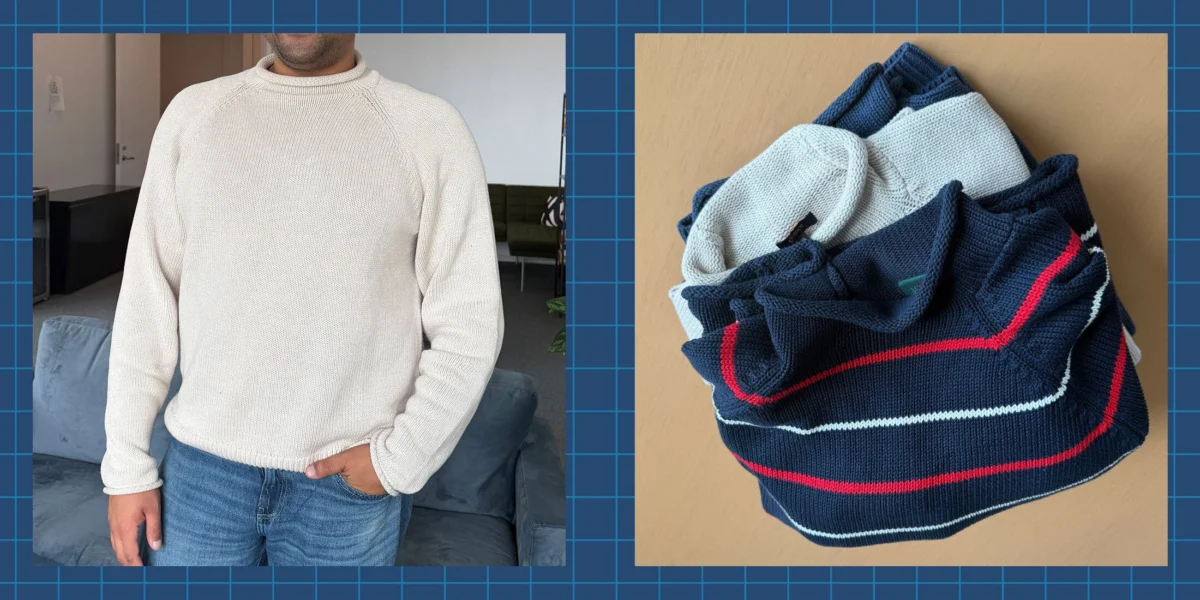
"The rollneck sweater bridges the gap between the casual utility of a crewneck and the structured sophistication of a turtleneck, offering a versatile silhouette that evokes a sense of cinematic timelessness."
As winter fashion cycles back toward heritage-inspired pieces, the rollneck sweater has emerged from the archives of 1980s Americana to become a cornerstone of the contemporary wardrobe. This resurgence is driven by a collective nostalgia for classic cinema and a shift toward "easy elegance"—a style that prioritizes comfort without sacrificing a polished aesthetic. By examining the history of the garment, its recent viral revival on social media, and the diverse offerings from industry leaders like J.Crew and L.L. Bean, it becomes clear that the rollneck is more than a fleeting trend; it is a functional reimagining of masculine style for the modern era.
The Historical Context of the Rollneck
The rollneck sweater, often distinguished by its high, unribbed neckline that naturally curls over, found its most significant commercial footing in the late 1980s. While knitted sweaters have been a staple of maritime and academic life for centuries, J.Crew solidified the "Rollneck" as a branded icon in 1988. At the time, the garment captured the essence of the "preppy" aesthetic—a look that was rugged enough for a weekend in New England but refined enough for a casual office setting.
The design was a departure from the restrictive nature of the traditional turtleneck. While the turtleneck (or polo neck) requires a precise fold and often fits snugly against the throat, the rollneck offers a more relaxed, organic drape. This subtle difference in construction allows for a greater range of motion and a less formal appearance, making it an ideal middle ground for men who find crewnecks too plain and turtlenecks too stifling.

The Cinematic and Cultural Catalyst
The current obsession with the rollneck is deeply rooted in visual storytelling. Fashion editors and style enthusiasts often cite the "Love Story" aesthetic—referencing the 1970 film starring Ali MacGraw and Ryan O’Neal—as a primary influence. The imagery of thick knits, corduroy trousers, and long wool coats has become a perennial mood board favorite. More recently, sightings of actors like Sarah Pidgeon and Paul Anthony Kelly in classic, knit-heavy attire have reignited interest in these silhouettes.
There is a specific archetype associated with the rollneck: the "movie love interest" or the "literary academic." It is a silhouette that suggests intellectual depth and a relaxed approach to luxury. In an era dominated by technical outerwear and streetwear, the return to heavy cotton and wool knits represents a desire for tactile, grounded clothing. The rollneck takes up significant "visual real estate," framing the face with a soft halo of fabric that adds an immediate sense of "suave" intentionality to an outfit.
The Modern Market: A Brand Analysis
The revival of the rollneck has seen a diverse array of brands introducing their own interpretations, each catering to different lifestyle needs and price points.
J.Crew: The Original Standard
Having originated the signature rollneck in 1988, J.Crew remains the primary custodian of the style. In recent seasons, the brand has leaned into its heritage, refreshing the knit with updated colorways that appeal to a younger, social-media-savvy demographic. Their version typically maintains the classic weight and structure that made it a hit decades ago, serving as the benchmark for what a rollneck should be.
L.L. Bean: Sustainable Comfort
For those who prioritize comfort in indoor settings, L.L. Bean has introduced an organic cotton version of the rollneck. Unlike heavy wool, which can become overbearing in heated environments, the organic cotton weave provides breathability. This makes it a practical choice for the modern professional who transitions between the cold outdoors and a temperature-controlled office.

Flint and Tinder: The Rugged Alternative
Flint and Tinder’s "Headlands" sweater takes a different approach, utilizing recycled cotton to create a garment that feels more akin to a traditional fisherman’s sweater. This version is characterized by a more masculine, rugged texture. It is designed for durability and outdoor utility, appealing to the consumer who values the "workwear" aesthetic but wants the refined collar of a rollneck.
Quince: The "Librarian" Aesthetic
Quince has gained traction for its chunky knits that emphasize the "cozy" factor. Their rollneck is designed with a collar that stands slightly higher before rolling, creating a weightier look that drapes over the body. This "librarian-looking" fit is central to the "quiet luxury" movement, where the quality of the knit and the relaxed nature of the silhouette signal a sophisticated, understated wealth.
Banana Republic and Accessibility
Banana Republic offers a cleaner, more refined take on the cotton rollneck, stripping away some of the bulk for a sleeker profile. Meanwhile, the democratization of the trend is evident on platforms like Amazon, where affordable versions allow men to experiment with the silhouette without a significant financial commitment.
The Psychology of Wearability
One of the most compelling arguments for the rollneck is its deceptive simplicity. To the uninitiated, the large collar and the "unreasonable amount of fabric" might seem intimidating or difficult to style. However, in practice, the rollneck functions almost identically to a standard crewneck.
The versatility of the garment lies in its ability to anchor a variety of looks. When paired with raw denim and a heavy overcoat, it creates a classic winter silhouette. When swapped for chinos or corduroy trousers, it leans into a more academic or professional vibe. The rollneck effectively eliminates the need for a scarf in many instances, providing warmth and visual interest through its integrated design.
Furthermore, the rollneck transcends social boundaries. It is equally at home at a sports bar as it is at a high-end dinner date or a creative office. It manages to look "dressed up" without the rigidity of a button-down shirt and tie. This adaptability is key to its longevity; it serves the "date night frequenter" and the "office crush" with equal efficacy.
Implications for Future Trends
The resurgence of the rollneck is indicative of a broader shift in menswear toward "investment pieces"—garments that are durable, timeless, and versatile. As consumers become more conscious of sustainability, the move toward heavy-duty cotton and recycled materials (as seen with Flint and Tinder and L.L. Bean) reflects a rejection of "fast fashion" in favor of items that age gracefully.
The rollneck also signals a return to a more "masculine-soft" aesthetic. It moves away from the sharp, aggressive lines of traditional tailoring and toward a silhouette that is approachable and tactile. This shift aligns with current cultural movements that value emotional intelligence and comfort, even in professional and social settings.
Conclusion
The rollneck sweater is more than a piece of knitwear; it is a stylistic tool that allows the modern man to navigate the complexities of contemporary dress codes. By drawing on the heritage of the 1980s and the romanticism of classic cinema, the rollneck provides a sense of character that is often missing from modern basics. Whether it is the original 1988 J.Crew design or a rugged, recycled-cotton iteration, the rollneck offers a rare combination of suaveness and ease. As the fashion world continues to look backward to move forward, the rollneck stands as a testament to the enduring power of a well-constructed classic. It is a garment for the man who wants to look like the protagonist of his own story—suave, comfortable, and perpetually in style.
