
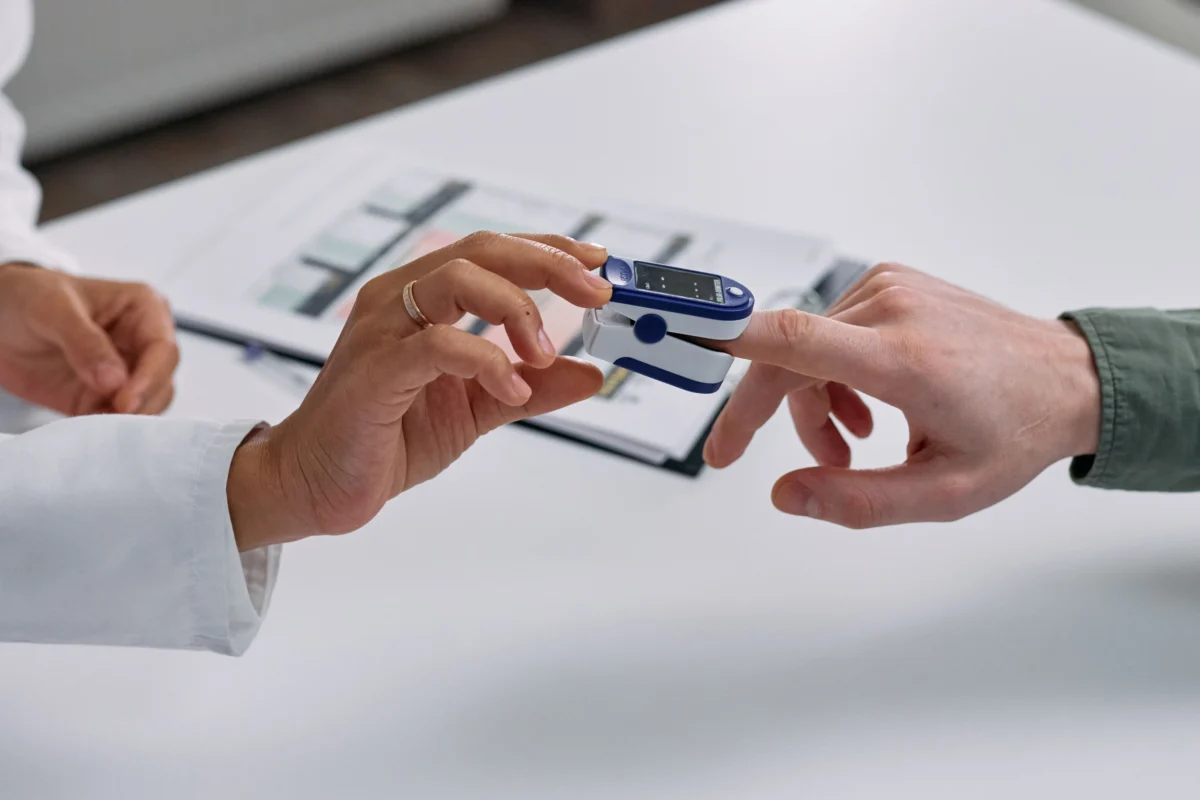
A single documented instance reveals how even seemingly innocuous white nail polish can significantly distort pulse oximeter readings, prompting a reminder that these devices measure light absorption, not direct cardiac electrical activity, and should not be used to diagnose arrhythmias.
The seemingly simple act of applying nail polish, a common cosmetic choice, can have unexpected consequences when it comes to vital sign monitoring. A recent case report, published in the journal Cureus in January 2026 by Akhtar Purvez of Lincoln Memorial University DeBusk College of Osteopathic Medicine, details an incident where a woman’s fingertip pulse oximeter displayed wildly fluctuating and nonsensical heart rate readings. The device, a standard fingertip monitor, registered her pulse as ranging from approximately 40 to over 100 beats per minute within seconds. However, the woman felt perfectly well, and subsequent direct examination confirmed her heart was beating normally. The culprit? A coat of white nail polish on the finger being monitored. This singular case, though involving only one patient, serves as a crucial reminder of the underlying principles of pulse oximetry and its limitations, particularly concerning its widespread use in home healthcare settings and its reliance on optical signals.
The patient in question was undergoing a routine clinical evaluation and presented with no overt symptoms. She denied any dizziness, palpitations, chest pain, or shortness of breath, and had no pre-existing medical conditions or medications that would typically impact peripheral blood flow. Despite her apparent good health, the pulse rate displayed by the oximeter was highly erratic, swinging between readings that would suggest both dangerously slow and alarmingly fast heart rates. Such variability, if real, could easily raise serious concerns about a potential cardiac rhythm disorder, prompting immediate clinical investigation.
To ascertain the true state of the patient’s cardiac function, the care team proceeded with a standard 12-lead electrocardiogram (ECG). This diagnostic tool records the heart’s electrical activity, providing a definitive measure of its rhythm and rate. The ECG revealed normal sinus rhythm at a stable rate, with no evidence of any conduction abnormalities or arrhythmias. This stark contrast between the oximeter’s readings and the ECG’s findings prompted further investigation into the cause of the discrepancy. Clinicians then removed the white nail polish from the finger that had been used for monitoring. Following the removal of the polish, the pulse oximeter’s readings immediately stabilized, aligning perfectly with the heart rate measured by the ECG. The author of the report concluded that the aberrant pulse rate readings were a result of interference with the device’s optical signal, rather than an underlying cardiac issue.
The mechanism by which pulse oximeters function is central to understanding this phenomenon. These devices operate by shining two wavelengths of light – red and infrared – through a translucent part of the body, typically a fingertip. The absorption of these wavelengths differs between oxygen-rich hemoglobin (oxyhemoglobin) and oxygen-poor hemoglobin (deoxyhemoglobin). This differential absorption is the fundamental principle that allows the device to estimate the percentage of hemoglobin saturated with oxygen, a measure known as oxygen saturation. Concurrently, each heartbeat causes a transient surge of blood through the finger. The pulse oximeter detects these subtle changes in light absorption, which correspond to the pulsatile blood flow, and translates them into a waveform.
According to the case report, the pulse oximeter utilizes this waveform in two distinct ways. Oxygen saturation is calculated by averaging the light absorption data over a period of time. This averaging process helps to smooth out minor fluctuations and artifacts, leading to a relatively robust oxygen saturation reading. However, the pulse rate is determined by the device’s ability to accurately detect the individual peaks within this waveform, each peak representing a heartbeat. The hypothesis put forth by the report’s author is that the white nail polish may have disrupted the integrity of this waveform. While the oxygen saturation reading, which relies on averaged data, remained largely unaffected, the precise detection of individual peaks – crucial for pulse rate calculation – was compromised. White pigments, in general, tend to reflect light rather than absorb it, and the specific wavelengths used by pulse oximeters are likely affected by this reflective property. This phenomenon explains why white or clear nail polish, often considered benign for oxygen monitoring, can potentially interfere with pulse rate calculations. It is important to note that this proposed mechanism is a hypothesis, and the report did not conduct direct testing to confirm it, nor did it identify the specific make or model of the pulse oximeter used.
The core message conveyed by this report is unequivocal: pulse oximetry is not designed to assess cardiac electrical rhythm. Therefore, it should not be employed as a diagnostic tool for arrhythmias. Furthermore, the report emphasizes that a normal oxygen saturation reading does not automatically guarantee the accuracy of the pulse rate reading. The author strongly advises that before attributing an erratic pulse reading to a genuine cardiac rhythm problem, clinicians and individuals using these devices should confirm the heart rate through more direct means, such as palpating the pulse manually or performing an ECG.
Nail polish has long been a recognized factor that can influence pulse oximeter readings. As far back as February 2021, the U.S. Food and Drug Administration (FDA) issued a warning about the inherent limitations of pulse oximeters. In this communication, the agency explicitly listed fingernail polish as one of several factors that can affect the accuracy of readings, alongside poor circulation, skin pigmentation, skin thickness, skin temperature, and current tobacco use. The FDA’s dedicated information page on pulse oximeters reiterates this list of potential interfering factors. More recently, in January 2025, the FDA proposed updated testing recommendations specifically aimed at improving the performance of pulse oximeters across a wider range of skin tones, underscoring the agency’s ongoing commitment to enhancing device accuracy and reliability.
While much of the research concerning nail polish and pulse oximetry has historically focused on its impact on oxygen saturation readings, the current report highlights a potential effect on pulse rate. A systematic review published in the journal Emergencias in 2015 examined 12 studies investigating the influence of nail polish on oxygen saturation. The review found that in most of these studies, at least one color of nail polish resulted in a statistically significant decrease in oxygen readings. However, the magnitude of these differences was generally small, falling within the typical margin of error for these devices (approximately 2%), and were deemed not clinically significant by the reviewers. Darker shades of nail polish have historically garnered more attention for their potential to interfere with readings, with resources like MedlinePlus noting that dark polish can block the light from the oximeter and that artificial nails can also lead to inaccurate results. The current case report stands out because it involves white polish, a color not typically associated with significant interference, and because the oxygen saturation reading remained normal while the pulse rate reading became markedly erratic.
While this case report provides a valuable illustration, it is crucial to acknowledge its limitations. As a single case report, it cannot definitively establish the frequency with which white nail polish might distort pulse readings, nor can it identify if certain pulse oximeter models are more susceptible to such interference. The report did not provide specific oxygen saturation values, nor did it identify the brand or model of the pulse oximeter used. Furthermore, it did not detail whether other fingers or different colors of polish were tested.
Despite these limitations, the practical implications of this case are clear and significant. An unusual or erratic pulse rate displayed on a fingertip monitor should not, in isolation, be considered definitive proof of a cardiac rhythm problem. When encountering such discrepancies, several steps can be taken to potentially improve the signal quality and obtain a more accurate reading. These include minimizing patient movement, shielding the oximeter’s sensor from ambient room light, repositioning the device, or attempting to use a different monitoring site. For individuals for whom precise oxygen readings are critical, such as those with underlying respiratory conditions or compromised circulation, the report advises removing nail polish, particularly darker colors, to ensure optimal device performance.
For individuals utilizing pulse oximeters at home, the key takeaway is not to overreact to a single aberrant reading. Such fluctuations may well be due to technical interference rather than a physiological abnormality. However, it is imperative that anyone experiencing concerning symptoms such as chest pain, fainting, a sensation of a pounding heart, or significant shortness of breath should seek immediate medical attention. For individuals with ongoing concerns about their heart rate or rhythm, consulting with a healthcare professional is essential. A clinician can then perform appropriate diagnostic tests, such as an ECG, to accurately assess the heart’s actual function.
Key Questions Answered:
What happened in this case?
An adult woman, who was asymptomatic, experienced erratic pulse oximeter readings that fluctuated between approximately 40, 50, and over 100 beats per minute. A subsequent ECG confirmed a normal heart rhythm. The oximeter’s pulse readings returned to normal after the white nail polish was removed from the monitored finger.
Can a pulse oximeter detect an irregular heartbeat?
No, a pulse oximeter cannot detect an irregular heartbeat. It estimates pulse rate by analyzing light absorption through the finger and does not measure the heart’s electrical activity. The case report emphasizes that pulse oximeters should not be used to diagnose arrhythmias, which require tests like an ECG.
Did the nail polish affect her oxygen reading too?
According to the report, her oxygen saturation remained within the normal range and was not notably variable. The erratic readings were confined to the pulse rate.
Is white nail polish known to cause false pulse oximeter readings?
This is a single documented case, so the prevalence of this effect is not yet known. White or clear polish is generally considered acceptable for oxygen monitoring, and prior research, particularly on darker polishes, indicated only minor impacts on oxygen readings.
What does the FDA say about nail polish and pulse oximeters?
The FDA lists fingernail polish as a factor that can affect pulse oximeter accuracy, alongside poor circulation, skin pigmentation, skin thickness, skin temperature, and tobacco use.
What should someone do if a home oximeter shows a strange heart rate?
A single unusual reading may be due to signal interference rather than a cardiac issue. Individuals experiencing symptoms like chest pain, fainting, or shortness of breath should seek medical attention. Those with persistent concerns about their heart rate should consult a healthcare provider.
