
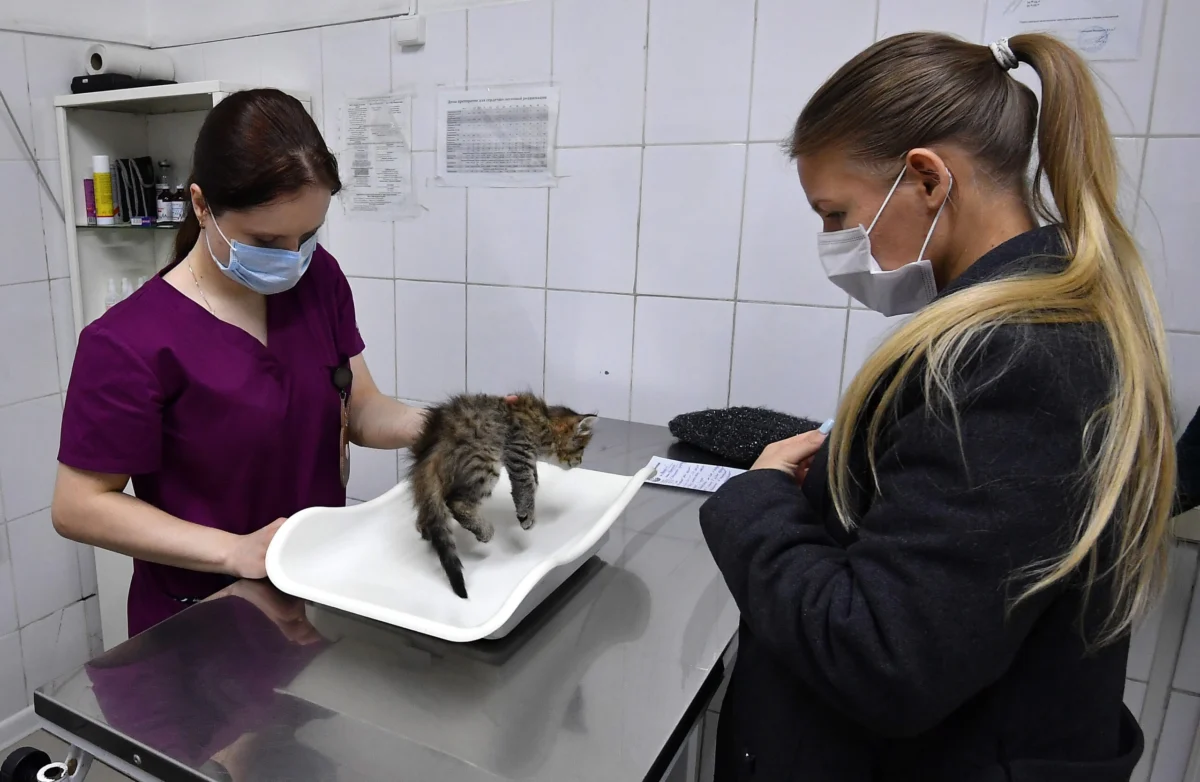
"While the presence of Giardia in cats is more common than previously thought, the risk of transmission to humans remains low, though vigilance, particularly in households with young children or immunocompromised individuals, is warranted."
A recent comprehensive study analyzing over 150,000 feline stool samples has revealed that approximately 1 in 16 cats harbor Giardia, a common intestinal parasite known for causing diarrhea. The research, published in PLOS ONE, offers a detailed look at the prevalence of this parasite across the United States and Canada, highlighting specific demographics and geographic areas with higher infection rates. While the findings may seem concerning, experts emphasize that direct transmission from cats to humans is infrequent, with distinct strains of Giardia often affecting different species. Nevertheless, the study underscores the importance of routine veterinary care and proactive hygiene measures for cat owners to mitigate potential risks and ensure the well-being of both their pets and their families.
The study, which meticulously reviewed anonymized test results from cats across 49 U.S. states and five Canadian provinces between March 2022 and August 2023, utilized Polymerase Chain Reaction (PCR) technology to detect the parasite’s DNA. Out of a substantial dataset of 157,616 stool samples, 9,962 tested positive for Giardia, translating to an overall prevalence of 6.3%. This figure, while significant, provides a broad overview of the parasite’s presence in the feline population presenting for veterinary diagnostics.
Of greater relevance to pet owners are the findings concerning specific genetic types of Giardia. The research identified that 18.5% of the positive samples contained assemblages A and B, the very genetic strains that are capable of infecting humans. This contrasts with the more commonly found cat-specific strain, assemblage F. Giardia infections in humans, often referred to colloquially as "beaver fever," are typically associated with contaminated water sources, but the potential for zoonotic transmission, albeit low, necessitates awareness. The study’s authors noted that this data “highlight the importance of routine fecal screening in domestic cats” as a proactive measure to identify and manage parasitic infections.
Delving deeper into the data, the study uncovered notable trends in which cats were more likely to test positive for Giardia. Kittens under one year of age exhibited a significantly higher prevalence, with 10.7% testing positive, compared to a mere 1.3% among senior cats aged 10 years and older. This age-related susceptibility in kittens could be attributed to their developing immune systems and exploratory behaviors, which may lead to increased exposure to environmental contaminants. Furthermore, positive kitten samples were more likely to harbor the human-infectious types of Giardia, at 19.9%, versus 13.5% in senior cats.
Beyond age, gender and reproductive status also played a role. Male cats demonstrated a slightly higher incidence of Giardia positivity at 6.9% compared to females at 5.7%. Intact cats, those not yet spayed or neutered, also showed a greater prevalence at 9% compared to 5% in their spayed or neutered counterparts. However, it is crucial to note that while sex and neuter status influenced the likelihood of carrying Giardia, they did not predict whether the detected strains were capable of infecting humans.
Geographically, cats residing in the Midwest region of the U.S. displayed the highest positivity rate at 7.8%, followed by the Northeast (6.4%), the West (6.1%), and the South (5.9%). Seasonally, Giardia prevalence peaked in the winter months, with 8.1% of samples testing positive, and reached its lowest point in the summer at 4.6%. This seasonal fluctuation could be linked to various environmental factors, including increased time spent indoors during colder months, potentially leading to higher parasite concentration in shared living spaces, and increased exposure to contaminated water sources during warmer periods.
It is essential to acknowledge the limitations of the study’s data. The research was a retrospective analysis of samples submitted to a commercial laboratory, rather than a random survey of the general cat population. Consequently, the cats included in the study may have been experiencing symptoms or may have been newly adopted, factors that could artificially inflate prevalence rates compared to the broader feline community. The anonymized records did not provide information regarding whether cats lived exclusively indoors or had outdoor access, if they displayed any clinical signs of illness, or if they had a history of travel, all of which could influence exposure and infection risk.
The majority of the study’s authors are affiliated with Antech Diagnostics or Mars Veterinary Health, entities within Mars Petcare, and the samples were analyzed using Antech’s PCR panel. The paper explicitly states that no specific funding was received for this particular research, and the authors declared no competing interests. Critically, the study did not quantify the actual incidence of Giardia transmission from cats to humans. While it confirms the presence of Giardia strains in cats that can infect people, it does not indicate the frequency with which such transmissions occur.
From a public health perspective, the Centers for Disease Control and Prevention (CDC) provides valuable context regarding the risk of Giardia transmission from pets. The CDC states, "Although animals can spread Giardia to people, you are unlikely to get a Giardia infection from dogs or cats," adding that "the type of Giardia that makes people sick is usually not the same type that makes dogs and cats sick." This distinction is paramount in understanding the relative risk.
The CDC’s comprehensive overview of Giardia infection emphasizes that the parasite primarily spreads from person to person or through the ingestion of contaminated water, food, surfaces, or objects. Activities such as drinking untreated water from natural sources like springs, lakes, and rivers are identified as known risk factors for human infection. In 2022, the CDC reported 13,829 cases of giardiasis across 47 jurisdictions in the United States, with children under the age of five exhibiting the highest infection rates among all age groups.
Symptoms of Giardiasis in humans typically manifest one to two weeks after infection and can persist for two to six weeks. These symptoms commonly include diarrhea, excessive gas, abdominal cramps, nausea, dehydration, and stools that are often described as foul-smelling and greasy. Individuals experiencing persistent diarrhea or exhibiting signs of dehydration are advised to seek medical attention promptly.
For households that include young children or individuals with compromised immune systems, taking precautionary measures is particularly important. The CDC strongly recommends diligent handwashing with soap and water, especially after handling pets or their waste, and advises against touching animal feces. Keeping young children away from litter boxes can also significantly reduce their potential exposure to the parasite.
For owners of new kittens, consulting with a veterinarian about the appropriateness of a fecal test for Giardia is a prudent step, especially if the kitten exhibits signs of diarrhea. Emergency veterinarian Dr. Stevie Aitken, in comments to ABC News regarding cat Giardia risks, highlighted the importance of thorough cleaning if a cat is diagnosed. "If your cat is diagnosed with Giardia, thoroughly cleaning all litter boxes, water and food bowls is imperative," she stated, adding that "while prevalent and occasionally problematic, is typically very treatable." This emphasizes that while Giardia is a common concern, it is manageable with appropriate veterinary care and household sanitation.
In summary, the study provides valuable insights into the prevalence of Giardia in domestic cats, indicating that about 1 in 16 tested feline stool samples contained the parasite. While a subset of these infections involved Giardia strains capable of infecting humans, the overall risk of transmission from cats to people is considered low by health authorities like the CDC. However, the higher prevalence observed in kittens, certain geographic regions like the Midwest, and during winter months warrants attention. Key preventive measures for cat owners include maintaining excellent hygiene, such as regular handwashing and thorough cleaning of litter boxes and food/water bowls, especially if a cat is diagnosed with Giardia. Consulting with a veterinarian for fecal testing, particularly for kittens or cats exhibiting gastrointestinal issues, is a recommended practice. The study’s funding sources were noted as internal to Mars Petcare, with no external specific funding provided for this research.
