
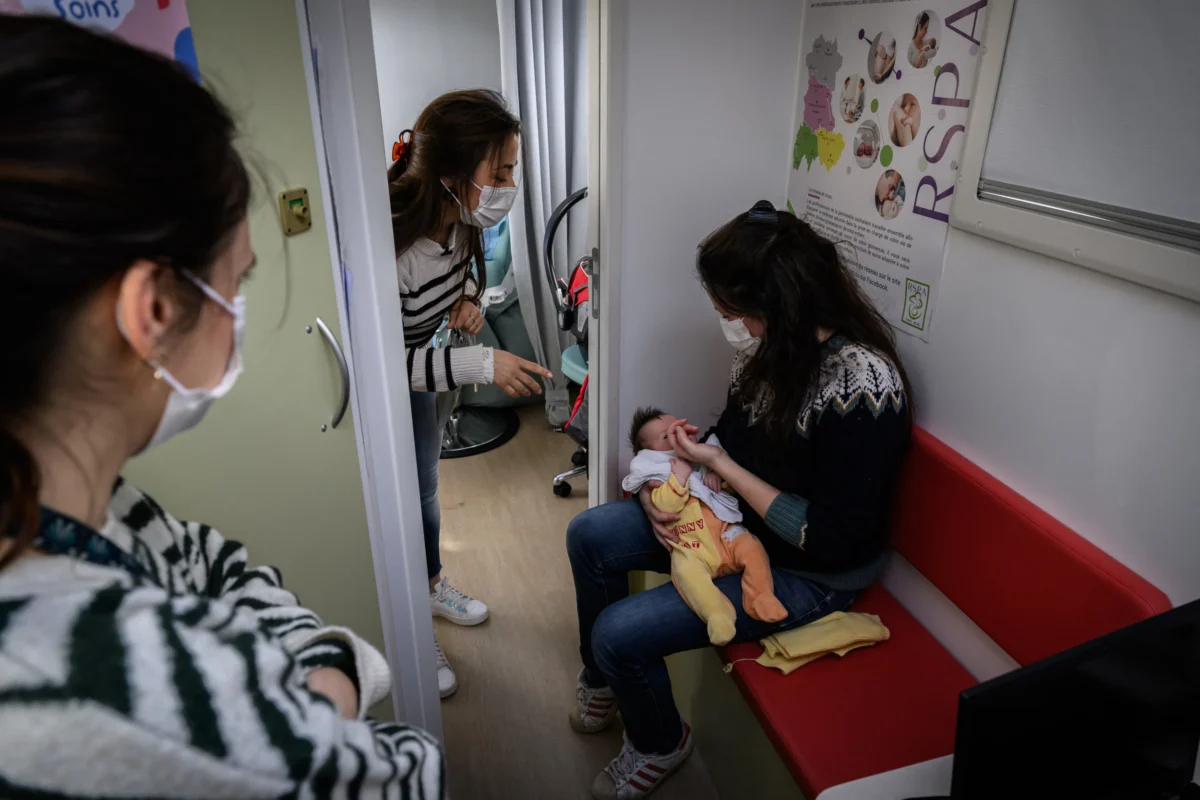
"A large Swedish study suggests that women vaccinated against HPV before their first pregnancy had a significantly lower likelihood of delivering very preterm, indicating potential benefits of the vaccine that extend beyond cancer prevention."
A landmark study from Sweden has uncovered a potential, yet unproven, association between HPV vaccination administered before the first pregnancy and a reduced risk of preterm birth. The research, published in The BMJ, analyzed data from over 600,000 births and found that women who received the HPV vaccine prior to conceiving were less likely to experience very preterm deliveries—births occurring between 28 and 32 weeks of gestation, a period when newborns often require extensive intensive care. While the study’s observational nature prevents definitive causal claims, the findings add a compelling new dimension to the ongoing discourse surrounding HPV vaccination, particularly as it is typically administered years before pregnancy is a consideration. This emerging evidence offers a glimmer of hope in the persistent global challenge of preterm birth, a condition that continues to affect a significant percentage of births in countries like the United States.
The comprehensive Swedish investigation, conducted by researchers at the prestigious Karolinska Institutet and the University of Gothenburg, delved into national registry data encompassing 624,713 singleton births to first-time mothers aged 16 to 35 between 2006 and 2023. Within this vast cohort, 14.8% of women, totaling 92,620 individuals, had received at least one dose of the quadrivalent HPV vaccine before becoming pregnant. After meticulously adjusting for a range of confounding factors—including maternal smoking habits, body mass index, socioeconomic status indicated by income, and educational attainment—the analysis revealed statistically significant associations. Vaccinated mothers exhibited approximately 5% lower odds of experiencing any preterm birth and a more substantial 15% reduction in the odds of very preterm birth. Furthermore, the study noted modestly lower odds of spontaneous preterm labor and the birth of severely underweight newborns among the vaccinated group. A slight decrease in the incidence of early membrane rupture also approached statistical significance, hinting at broader protective effects.
The observed protective pattern appeared to be more pronounced in women who received the HPV vaccine before the age of 17, which aligns with the median age of first sexual intercourse in Sweden. Zhongsong Zhang, the study’s first author and a doctoral student at Karolinska, emphasized this observation in a statement from the Karolinska Institutet: "We also observed that the associations were stronger among women who had been vaccinated before the age of 17." This finding suggests that earlier vaccination, potentially before any exposure to the human papillomavirus (HPV), might confer greater protective benefits against adverse pregnancy outcomes.
Researchers have proposed two plausible biological mechanisms through which HPV vaccination could potentially influence preterm birth risk. Firstly, HPV infection itself has been implicated in earlier studies as a contributing factor to higher rates of preterm delivery. Laboratory research indicates that the virus may negatively impact early embryonic development and the functionality of placental cells. By preventing HPV infection, the vaccine could theoretically alleviate this physiological stress on a pregnancy.
Secondly, the vaccine might indirectly reduce preterm birth risk by mitigating the need for cervical procedures often performed to treat precancerous cervical changes. These procedures, such as cone biopsies, involve the removal of cervical tissue and have been linked to a roughly doubled risk of spontaneous preterm birth. In an exploratory analysis, the Swedish researchers controlled for the presence of high-grade cervical lesions, and found that the association between HPV vaccination and preterm birth weakened. This observation is consistent with the hypothesis that preventing cervical abnormalities, and thus the need for invasive treatments, could be a key pathway through which the vaccine offers protection. Jiayao Lei, a senior author of the study and an assistant professor at Karolinska, underscored the public health significance of these findings, stating, "Even a relatively small reduction in the risk of preterm birth can be significant at a population level, given that HPV vaccination is administered to millions of young people worldwide."
The Swedish results align with some, but not all, previous international research. A Danish registry study involving over 240,000 births indicated a lower risk of spontaneous preterm birth in women vaccinated before age 17, with no significant effect observed for those vaccinated later. Additionally, two Finnish studies linked to a vaccine trial reported fewer preterm births among vaccinated women, though these studies involved a relatively small number of pregnancies. Conversely, a study of approximately 11,000 births in Aberdeen, Scotland, found no association with preterm birth but did observe lower rates of early membrane rupture. The Swedish team employed robust methodological approaches, including matching mothers by age and year of conception, to account for temporal changes in vaccine uptake, cervical screening practices, and obstetric care standards over the study period. The timing of HPV vaccination programs in Sweden also shaped the findings. Subsidized vaccination for girls aged 13-17 commenced in 2007, followed by a free school-based program for girls aged 10-12 in 2012. Many mothers in the study benefited from these initiatives or catch-up programs, and some may have already been exposed to HPV, which the authors suggest could potentially attenuate the measured benefit compared to vaccinating children today who are more likely to be vaccinated prior to any exposure.
From a rigorous scientific perspective, it is crucial to acknowledge the limitations inherent in this observational, nationwide registry-based study. While peer-reviewed and encompassing a substantial number of births, it cannot definitively establish causality. Unmeasured confounding factors, such as subtle differences in health habits or access to healthcare between vaccinated and unvaccinated women, cannot be entirely ruled out. The study also lacked granular data on whether vaccinated women subsequently contracted HPV or underwent cervical treatments, which could have provided further insights into the proposed pathways. The observed effects, while statistically significant, were modest; the researchers estimated that approximately 518 women would need to be vaccinated to prevent one preterm birth. The funding for the research came from Swedish public research bodies and the Swedish Cancer Society, and it utilized data from the older quadrivalent HPV vaccine, whereas the United States currently employs Gardasil 9, which offers protection against nine HPV types.
For families in the United States, the practical implications of this research center on the timing of HPV vaccination. HPV vaccination remains a cornerstone of recommended childhood immunizations, covered by insurers without cost-sharing, as reinforced by a January 2026 CDC announcement regarding the updated childhood immunization schedule. The Society of Gynecologic Oncology noted a recent shift in recommendations, with the revised schedule now advocating for a single dose, and payers no longer mandated to cover additional doses. Coverage for extra doses beyond 2026 remains a point of consideration. Parents can readily access their child’s vaccination records through their pediatrician or state immunization registries. For young adults who may have missed the vaccine, consulting a clinician about the appropriateness of catch-up vaccination is advisable. The CDC explicitly advises against HPV vaccination during pregnancy, and individuals who are pregnant should defer vaccination until after delivery. Pregnant individuals experiencing symptoms such as regular contractions, pelvic pressure, fluid leakage, or bleeding before 37 weeks of gestation should seek immediate medical attention from their obstetric provider. While these new findings are intriguing, they do not alter current medical guidance. Researchers emphasize that longer-term follow-up of vaccinated generations will be essential to fully elucidate the magnitude of any potential benefits.
The study addresses several key questions for parents and healthcare providers. Primarily, it clarifies that while the HPV vaccine is associated with a lower likelihood of preterm birth, this association has not been definitively proven to be causal due to the observational nature of the study. The magnitude of the observed difference indicates a roughly 5% reduction in the odds of any preterm birth and a 15% reduction in the odds of very preterm birth, with stronger links observed in those vaccinated before age 17. The current recommendation from the CDC remains that HPV vaccination is not advised during pregnancy, and individuals who are pregnant or planning a pregnancy should discuss the optimal timing with their healthcare provider. The potential mechanisms linking the vaccine to improved pregnancy outcomes revolve around preventing HPV infection, which has been associated with preterm birth, and reducing the need for cervical procedures that increase the risk of early delivery. Importantly, these findings do not alter the existing U.S. vaccine recommendations, which continue to advocate for HPV vaccination for all children as part of the federal schedule.
Published by Medicaldaily.com
