
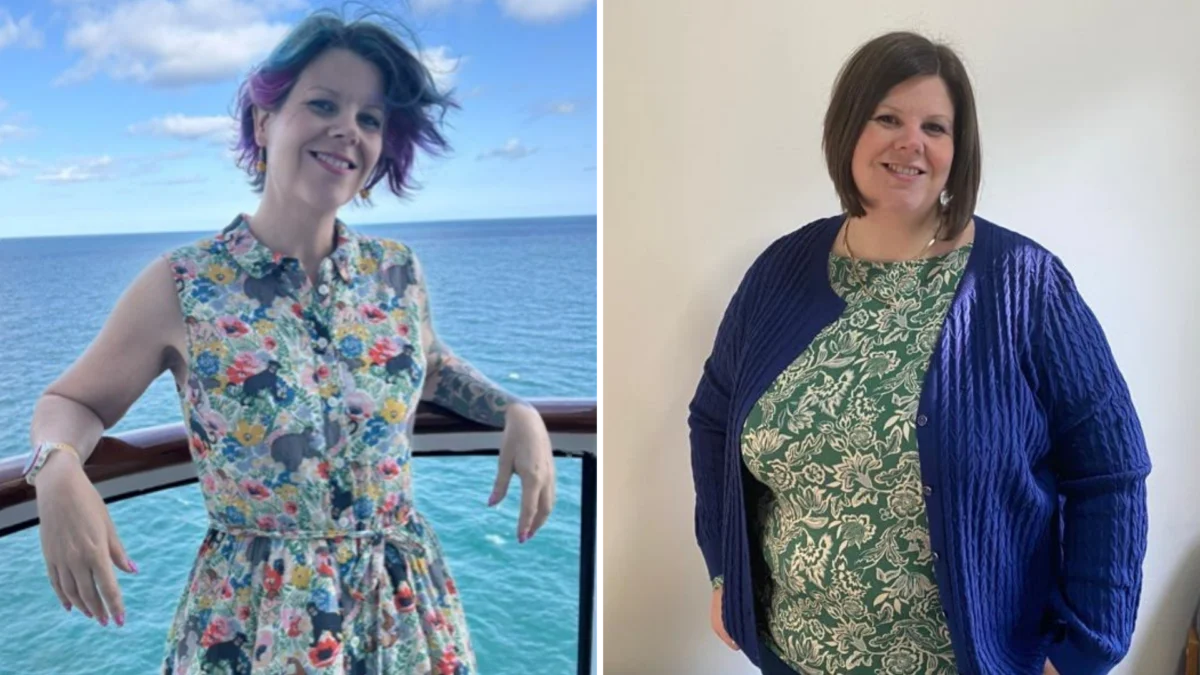
"Having intense pain had become my normal, but surgery was truly night and day. It was a real shock to me to understand this is how normal people function, and not to accommodate pain and fatigue into everyday life."
This profound realization from Carys Thurlby, a 43-year-old woman from Worcester, encapsulates the arduous journey of countless individuals living with endometriosis. Her story highlights not only the debilitating impact of this often-misunderstood condition but also the profound relief and life-altering freedom that effective, though often delayed, medical intervention can bring. After decades of enduring relentless pain and exhaustion, a hysterectomy finally provided Carys with lasting respite, catalysing an incredible physical and mental transformation, including a significant weight loss and a newfound zest for life.
For over two decades, Carys Thurlby navigated life tethered to the relentless grip of endometriosis, a chronic and often agonizing condition. What began as an unremarkable part of her teenage years—sitting GCSE exams while "chewing on paracetamol" to combat searing pelvic and leg pain—slowly calcified into her accepted reality. "I didn’t really know that being in so much pain each month was not normal," she reflects, echoing the common experience of many women whose severe symptoms are often dismissed or normalized within society. Her diagnosis came at 19, following a laparoscopy prompted by "excruciating" pain, marking the first time she had ever heard the term "endometriosis." This late diagnosis, characteristic of the condition, underscores a systemic issue in women’s healthcare, where an average of seven to ten years can pass between symptom onset and a definitive diagnosis.

Endometriosis is a condition where tissue similar to the lining of the uterus (the endometrium) grows outside the uterus. This endometrial-like tissue can be found on the ovaries, fallopian tubes, and the outer surface of the uterus, but also in more distant sites like the bowel, bladder, diaphragm, and, rarely, even the lungs or brain. Unlike the uterine lining, which sheds during menstruation, this misplaced tissue has no way to exit the body. It responds to hormonal fluctuations of the menstrual cycle, thickening, breaking down, and bleeding, leading to inflammation, scar tissue formation, adhesions (fibrous bands that can bind organs together), and painful cysts.
The symptoms of endometriosis are diverse and can vary widely in severity, often correlating poorly with the extent of the disease. Common manifestations include debilitating pelvic pain, often worse during menstruation (dysmenorrhea), heavy or irregular bleeding (menorrhagia), pain during or after sexual intercourse (dyspareunia), pain with bowel movements or urination, chronic fatigue, and infertility. The pervasive nature of these symptoms can profoundly impact every facet of a person’s life, affecting their ability to work, study, maintain relationships, and engage in daily activities. For Carys, the pervasive fatigue, coupled with intense pain, dictated her existence, severely limiting her energy levels and overall quality of life. The condition is estimated to affect roughly 1 in 10 women globally, making it one of the most common gynaecological disorders. Despite its prevalence, awareness remains low, contributing to diagnostic delays and a sense of isolation among sufferers.
Carys’s journey through the healthcare system mirrored the challenging path many with endometriosis face. Over the years, she underwent multiple surgical procedures aimed at excising the rogue tissue and alleviating her symptoms. However, these interventions offered only temporary respite, a common outcome as endometriosis is a chronic condition with a high recurrence rate. The disease continued its relentless progression, eventually causing significant damage to her ovaries, necessitating their removal. This was followed by a hysterectomy, the surgical removal of the uterus, which, for Carys, proved to be the pivotal turning point in her long battle. While not a universal cure for endometriosis, as misplaced tissue can persist, a hysterectomy, especially when combined with the removal of ovaries (oophorectomy), can significantly reduce hormonal stimulation to remaining lesions and offer profound relief for some individuals, particularly those with adenomyosis (endometrial tissue growing into the muscular wall of the uterus) or extensive pelvic disease.
The impact of the hysterectomy on Carys’s life was nothing short of revolutionary. The chronic pain that had been her constant companion for decades finally receded, replaced by an unfamiliar sense of relief and physical freedom. "I can’t describe how different it felt," she recounts, emphasizing the profound shock of realizing what "normal" felt like. This liberation from pain and exhaustion allowed her to break free from coping mechanisms that had inadvertently contributed to other health challenges. For years, she had relied on quick bursts of sugar to power through her days, a common response to chronic fatigue and low energy. The idea of engaging in physical activity, even a simple walk, had been unimaginable. "There was no room in my life for me to look after my wellness," she explains, highlighting the all-consuming nature of her illness.

With the debilitating pain and fatigue lifted, Carys experienced a cascading series of positive changes. Her body, no longer battling chronic inflammation and pain, began to heal. She shed an astonishing 10 stone (140 lbs) in just 18 months, a testament to her body’s renewed capacity for health and her newfound ability to make conscious lifestyle choices. This significant weight loss was not just aesthetic; it was a physical manifestation of her internal transformation. Gaining confidence and energy, Carys discovered an unexpected passion for running. A mere eighteen months prior, running for even a minute was an insurmountable challenge. Now, she proudly recounts completing the Worcester Half Marathon and is diligently training for the prestigious London Marathon next year. This remarkable athletic achievement symbolizes her complete reclamation of her physical capabilities and zest for life.
Carys Thurlby’s extraordinary journey resonates deeply with the experiences of countless other women struggling with chronic pain and delayed diagnoses. Her story underscores the critical importance of patient advocacy and the need for healthcare providers to listen attentively to women’s self-reported symptoms. Vicki Shattock from Belbroughton, who authored a book about her own struggles to have her health concerns taken seriously, echoes this sentiment powerfully. She urges women experiencing persistent pain to "trust your instincts," emphasizing that "you know your body better than anyone." Shattock’s advice serves as a rallying cry for patients to persist in seeking answers and appropriate care, even when faced with medical skepticism or dismissals.
The psychological toll of chronic pain, particularly from conditions like endometriosis, is immense. Patients often face not only physical suffering but also emotional distress, including anxiety, depression, and a feeling of being unheard or invalidated. The relief of a diagnosis and effective treatment extends far beyond the physical, offering validation and empowering individuals to regain control over their lives. Carys’s transformation from a life constrained by pain and fatigue to one of vibrant health and athletic achievement serves as a powerful beacon of hope and a testament to the profound impact of appropriate medical care. Her experience, alongside that of advocates like Vicki Shattock, champions the ongoing need for increased awareness, improved diagnostic pathways, and patient-centered approaches in the management of endometriosis, ensuring that no woman has to normalize decades of "intense pain" ever again.
