
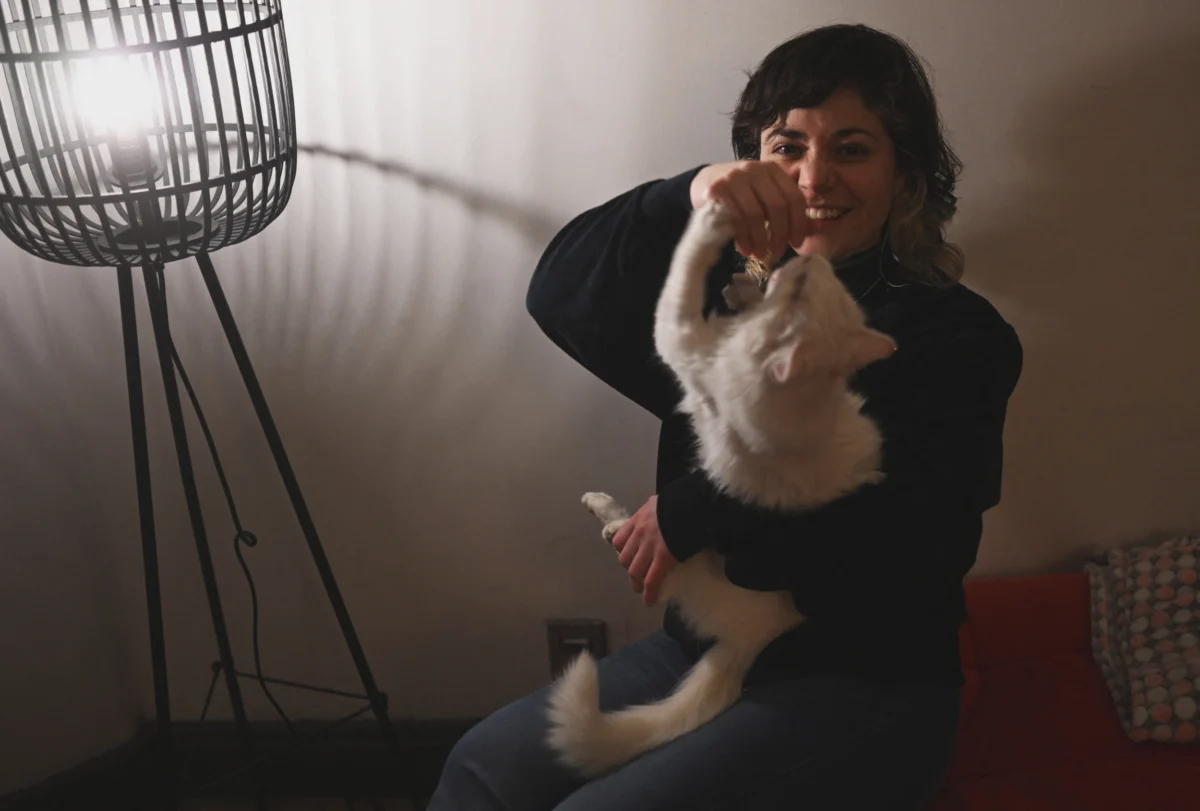
"A seemingly minor kitten scratch led to a rare and dangerous immune overreaction in a kidney transplant recipient, underscoring the heightened risks for immunocompromised individuals and the advanced diagnostic tools now available."
A seemingly innocuous scratch from a kitten, a common occurrence for many, has emerged as the unlikely trigger for a life-threatening immune system malfunction in a 33-year-old woman in China. The incident, detailed in a recent case report published in BMC Infectious Diseases, highlights the profound vulnerabilities faced by individuals with compromised immune systems, particularly those living with organ transplants. The patient, who had received a kidney transplant three years prior, developed hemophagocytic lymphohistiocytosis (HLH), a severe and potentially fatal condition characterized by an overactive immune response, following an infection with Bartonella henselae, the bacterium responsible for cat scratch disease. This case underscores the critical importance of recognizing less common infectious agents and the sophisticated diagnostic techniques required to identify them, especially in immunocompromised populations.
The woman’s journey to diagnosis was complex, initially presenting with persistent fever and headache that resisted treatment with powerful broad-spectrum antibiotics. Standard diagnostic tests, often effective for common pathogens, failed to pinpoint the cause of her escalating illness. Her condition deteriorated rapidly, with a precipitous drop in her red blood cells, white blood cells, and platelets, a state known as pancytopenia. Further alarming indicators included significantly elevated ferritin levels, a marker of intense inflammation, and soluble interleukin-2 receptor, indicative of widespread immune system activation. A bone marrow biopsy confirmed the presence of hemophagocytosis, a hallmark of HLH, where immune cells abnormally engulf other blood cells. This constellation of findings pointed definitively towards HLH, a condition that, while rare, can have devastating consequences.
The complexity of the case was amplified by the patient’s immunosuppressive drug regimen, essential for preventing her body from rejecting the transplanted kidney. While these medications are vital for long-term transplant success, they inherently dampen the immune system’s ability to fight off infections, creating a delicate balance that can be easily disrupted. The unchecked growth of Bartonella henselae in her system likely contributed to the severe immune dysregulation. The initial failure of conventional diagnostic methods to identify the bacterium further complicated the situation. Bartonella henselae is known for its slow growth and fastidious nature, making it notoriously difficult to detect with standard blood cultures. This diagnostic challenge underscores the need for advanced molecular techniques when common pathogens are ruled out and a severe, unexplained illness persists.
The breakthrough in identifying the culprit came with the application of metagenomic next-generation sequencing (mNGS). This cutting-edge technology allows for the comprehensive analysis of all genetic material present in a biological sample, enabling the identification of a vast array of known and even novel microorganisms. In this instance, mNGS of the patient’s blood successfully identified Bartonella henselae as the most probable cause of her severe illness. It was only after this definitive identification that the patient recalled being scratched by a kitten approximately a month before the onset of her symptoms. This retrospective connection highlights a crucial lesson for clinicians: a thorough patient history, including inquiries about potential exposures to animals, can provide vital clues, particularly when conventional diagnostic pathways prove inconclusive.
Hemophagocytic lymphohistiocytosis (HLH) is a rare but serious disorder of the immune system. In its primary or familial form, it is an inherited condition where genetic defects lead to an overactive immune response from infancy. This uncontrolled immune activity can result in severe inflammation, organ damage, and can be fatal if not treated promptly. In adults, HLH is more commonly secondary, meaning it is triggered by an external factor such as an infection, malignancy, or autoimmune disease. The immune system, instead of effectively targeting the underlying threat, goes into overdrive, releasing excessive amounts of inflammatory cytokines. These cytokines recruit and activate immune cells, including T cells and macrophages, which then begin to engulf and destroy other blood cells—a process known as hemophagocytosis. This indiscriminate destruction leads to the pancytopenia observed in the patient, characterized by low levels of red blood cells (anemia), white blood cells (increasing susceptibility to infection), and platelets (increasing risk of bleeding). The profound inflammation also impacts vital organs such as the liver, spleen, and bone marrow, further compromising the body’s ability to function.
The management of this case presented a significant clinical challenge, requiring a careful and calculated approach. The decision to temporarily halt the patient’s immunosuppressive medications was a high-stakes maneuver. While necessary to allow her body to better combat the infection, reducing immunosuppression in a transplant recipient carries the inherent risk of precipitating organ rejection. Concurrently, the patient was initiated on a targeted antibiotic regimen consisting of doxycycline and rifampin, medications known to be effective against Bartonella henselae. The duration of antibiotic therapy was guided by repeated sequencing of her blood, a sophisticated method for monitoring the bacterial load and assessing treatment response. To quell the runaway immune response, she received a course of the potent steroid dexamethasone, a cornerstone treatment for HLH, alongside intravenous immunoglobulin (IVIG). IVIG, composed of antibodies donated by healthy individuals, helps to modulate the immune system and reduce inflammation.
The therapeutic intervention proved successful. The patient’s fever subsided, her blood counts normalized, and the signs of HLH abated. Six months post-treatment, she remained free of HLH recurrence, and crucially, her transplanted kidney continued to function effectively. The authors of the case report emphasize the importance of including Bartonella henselae as a potential infectious trigger for HLH in kidney transplant recipients, particularly when other common causes have been excluded. They also highlight the utility of repeat genetic sequencing as a valuable tool for optimizing antibiotic therapy duration, offering a more personalized approach to treatment. While this is a single case report, it provides valuable insights into the clinical presentation, diagnostic challenges, and successful management strategies for this rare complication.
Cat scratch disease, while capable of leading to severe complications like HLH, is generally a mild illness. The CDC estimates that each year in the United States, approximately 12,000 individuals under 65 years of age are diagnosed with cat scratch disease in outpatient settings, with around 500 requiring hospitalization. Children between the ages of 5 and 9 years represent the age group with the highest incidence. Transmission typically occurs through a scratch or bite from an infected cat, most commonly a kitten. The bacteria are often present in flea feces, and cats can become infected through flea bites. A lick from an infected cat to an open wound can also transmit the bacteria. The hallmark symptom is usually a localized papule or pustule at the site of the scratch, followed by regional lymphadenopathy (swollen lymph nodes) that can persist for several weeks to months.
Individuals with weakened immune systems, including organ transplant recipients, HIV-infected individuals, and those undergoing chemotherapy, are at a significantly higher risk of developing more severe forms of cat scratch disease and its complications. While the CDC advises that people with compromised immunity can still own cats, they recommend specific precautions to minimize risk. These include avoiding very young cats (under one year old), keeping cats indoors to reduce exposure to fleas and other potential sources of infection, implementing consistent flea control measures, and promptly cleaning any scratches or bites with soap and water. Avoiding rough play that could lead to scratches or bites, especially with kittens and stray animals, is also advised.
The case serves as a compelling reminder for healthcare providers to maintain a high index of suspicion for less common pathogens in immunocompromised patients presenting with unexplained fevers and systemic illness. The integration of advanced diagnostic technologies like metagenomic sequencing is proving invaluable in uncovering the root causes of complex infections that elude conventional testing. For transplant recipients, vigilance and prompt communication with their transplant teams following any potential exposure, such as a cat scratch, are paramount. Early recognition and intervention can significantly improve outcomes and potentially prevent the development of life-threatening conditions like HLH. The ability to successfully manage such a severe complication while preserving the function of the transplanted organ highlights the progress in both diagnostic capabilities and therapeutic strategies for managing complex infectious and immunological disorders in vulnerable patient populations.
