
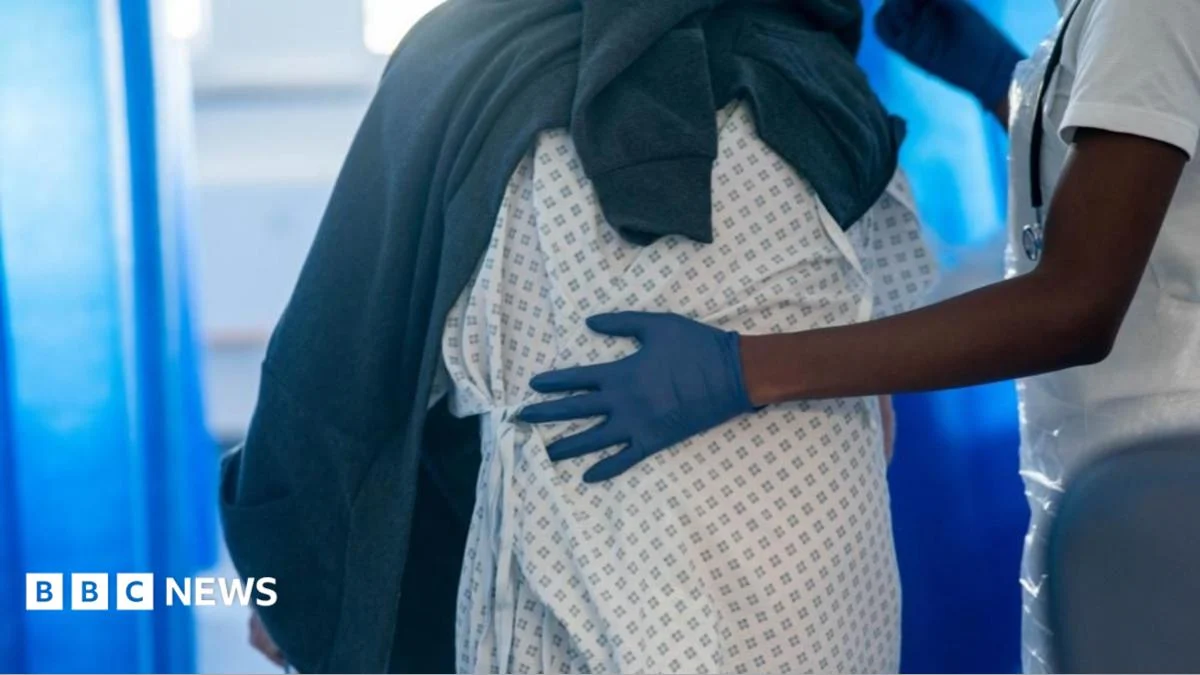
"A landmark shift in NHS England policy now directs that trans patients should be accommodated on single-sex hospital wards aligned with their biological sex, marking a significant departure from previous guidance and reinforcing the legal interpretation of ‘sex’ as biological."
This new directive from NHS England represents a pivotal change in the provision of healthcare services, particularly concerning the allocation of single-sex hospital wards and facilities. The guidance clarifies that, as a default, trans patients will be placed according to their biological sex rather than their gender identity, with provisions for alternative arrangements when clinically necessary or to ensure the safety and dignity of all patients. This policy revision follows a significant Supreme Court ruling that redefined "sex" in equality law, impacting the operation of single-sex spaces across various public services.
The updated guidance, issued by NHS England (NHSE), explicitly states that trans patients should be cared for on single-sex hospital wards or bays that correspond to their biological sex. This foundational principle is to be applied unless it is deemed not "clinically appropriate," in which case alternative arrangements must be made. Crucially, the guidance also emphasizes that decisions may need to be made on a case-by-case basis, always prioritizing the clinical needs of the patient while upholding the dignity and safety of both the trans patient and other patients within the healthcare environment.
This new framework marks a significant departure from previous NHSE guidance, which had suggested that patients and staff could be accommodated on wards or utilize facilities based on their gender identity. Under the former guidelines, for instance, a trans woman – an individual who is biologically male but identifies as a woman – could have chosen to be placed on a women’s ward. Similarly, a trans man, biologically female but identifying as male, could have opted for a men’s ward. This earlier approach aimed to align ward placements with an individual’s self-identified gender.
The catalyst for this policy overhaul was a landmark Supreme Court ruling in April 2025. This pivotal judgment established that, under equality law in England, the term "sex" means biological sex, and consequently, "woman" refers specifically to a biological woman. The court’s interpretation further clarified that for a space or service to genuinely be considered "single-sex," it should be exclusively accessible to individuals of the same biological sex. This legal precedent compelled the withdrawal of the previous NHSE guidance, necessitating a re-evaluation of how single-sex spaces are managed within the National Health Service.
In addition to the revised ward allocation policy, the new guidance issued on a recent Thursday also places a strong emphasis on the provision of gender-neutral spaces. NHSE underscored the importance of offering such alternatives to avoid discriminating against trans people, recognizing the need for inclusive options that respect diverse gender identities while adhering to the biological sex principle for single-sex facilities. This dual approach aims to balance the legal interpretation of sex with the commitment to non-discrimination.
The guidance also makes clear that certain circumstances demand clinical need to be the overriding priority. This is particularly relevant in high-pressure environments such as emergency units and urgent care settings, where rapid assessment and treatment take precedence over other considerations, though dignity and safety remain paramount.
Beyond patient care, NHSE has also published parallel advice for NHS trusts concerning the organization of facilities for staff. This guidance covers changing rooms, toilets, and other single-sex facilities within NHS workplaces. Mirroring the patient policy, it stipulates that these facilities should be used by staff based on their biological sex, not their gender identity. To ensure compliance and adequate provision, the document encourages NHS trusts in England to conduct audits to confirm they are offering sufficient alternatives to single-sex facilities, such as gender-neutral or single-occupancy toilets and changing areas. This holistic approach signals a comprehensive realignment across all aspects of NHS operations where sex-segregated spaces are involved.
The implementation of this new guidance comes at a time when NHS hospitals are already facing significant operational pressures, which have historically complicated the maintenance of strictly single-sex wards. NHSE data reveals a worrying trend of increasing breaches of previous mixed-sex accommodation guidance. These breaches occur when individuals of the opposite sex are inadvertently or necessarily placed on a single-sex ward. The figures illustrate a consistent rise in such incidents every year since 2021. The most recent data for August 2026 recorded 5,520 breaches, a notable increase from 3,853 breaches reported in June 2025. This underscores the systemic challenges hospitals face in managing patient flow and bed allocation, adding another layer of complexity to the implementation of the new, stricter single-sex ward rules.
Reactions to the new guidance have been varied, reflecting the ongoing societal debate surrounding sex and gender identity. Sex-based rights charity Sex Matters has unequivocally welcomed the guidance, hailing it as a "momentous shift back to reality." Maya Forstater, CEO of Sex Matters, expressed relief at the policy change but also raised concerns regarding its practical application. She highlighted that "NHS patient data is a mess, with potentially thousands of trans-identifying people recorded as the opposite sex." This data inconsistency, if unaddressed, could pose significant challenges to the accurate and consistent implementation of the new guidance, potentially leading to errors in ward placement and administrative confusion.
Conversely, trans rights organizations, including TransActual and Trans+ Solidarity Alliance, have voiced significant apprehension. They are concerned that the new guidance will create confusion among NHS staff regarding how to safely and appropriately care for trans patients. Their joint statement warned that "This guidance will not survive contact with reality in resource-strapped hospitals and and will create unworkable operational challenges." These organizations fear that the new policy, without adequate resources, training, and clear protocols, could lead to increased marginalization of trans patients, potentially compromising their care and well-being within a system already under strain.
The NHS has, for some time, been at the epicentre of a number of high-profile legal and ethical arguments concerning the interpretation of equality law and workplace regulations. These cases highlight the profound impact of differing interpretations of sex and gender on individuals and institutions alike.
One such prominent case involved Darlington Memorial Hospital in January 2026. An employment tribunal found that the hospital had violated the dignity of a group of nurses. These nurses had complained about a transgender colleague – a biological male who identified as a woman – being permitted to use the female changing rooms. Initially, the nurses were instructed to find alternative changing facilities if they objected. However, the tribunal concluded that the hospital trust had indirectly discriminated against the complaining nurses, validating their concerns regarding privacy and single-sex spaces. The nurses involved in this action are currently seeking £400,000 from the NHS to cover their substantial legal costs, underscoring the financial and personal toll such disputes can incur. Bethany Hutchison, one of the nurses who initiated the legal action and now president of the Darlington Nurses Union, welcomed the "clear and necessary guidance" from NHSE. However, she stressed that the true test would be whether NHS trusts genuinely follow it. Hutchison powerfully stated, "The Darlington nurses should never have had to take their own employer to court to secure privacy, dignity and lawful single-sex facilities. Enforcement cannot continue to depend on the courage and personal sacrifice of individual nurses."
A similar dispute unfolded in Scotland. In December 2025, an employment tribunal found that a nurse, Sandie Peggie, had been harassed by NHS Fife over its interpretation of rules on single-sex spaces. Peggie had raised concerns after a doctor, who was a trans woman, used the female changing rooms. She was subsequently suspended after making these complaints. While the tribunal dismissed her other claims of discrimination and victimisation, the finding of harassment highlighted the complex legal and workplace dynamics at play. An appeal in this case is currently underway and is anticipated to reach the courts next year, indicating that legal clarity on these matters is still evolving.
The new NHSE guidance represents a significant policy inflection point, aligning the national health service with recent legal interpretations of sex. Its successful implementation will depend not only on clear communication from the top but also on meticulous planning, robust training for staff, and a sensitive, case-by-case approach that respects the dignity and safety of all patients. The ongoing legal challenges and the contrasting reactions from various stakeholder groups underscore the deeply complex and often contentious nature of balancing sex-based rights with gender identity rights in public services. The NHS, as a cornerstone of British society, will continue to navigate these intricate issues, with the effectiveness of this new guidance being closely watched by patients, staff, and advocacy groups alike.
