
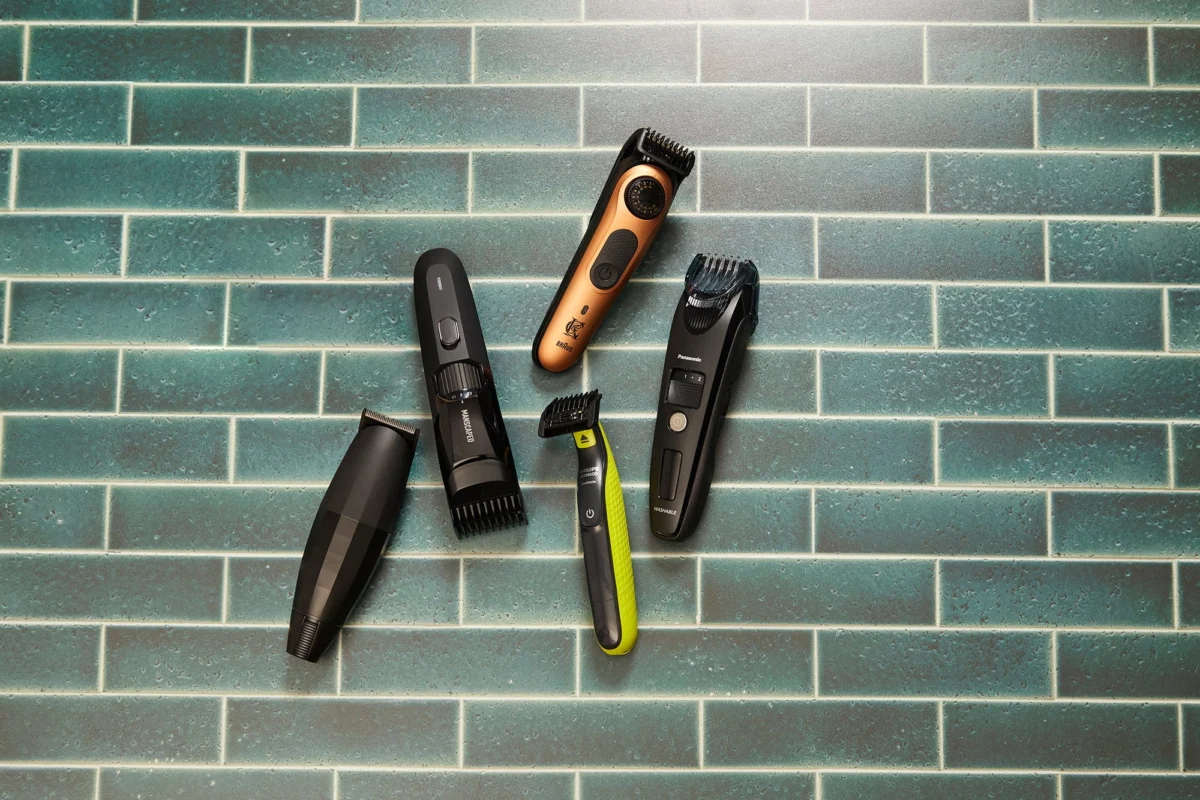
"The transition from professional barber chairs to at-home maintenance has been accelerated by a new generation of grooming tools that prioritize motor power, blade longevity, and ergonomic versatility. Precision in facial hair styling is no longer a luxury reserved for the salon, but a daily standard achievable through specialized engineering."
The landscape of men’s grooming has undergone a radical transformation over the last decade, shifting from a rudimentary routine into a highly personalized form of self-expression. As beard styles vary from the "perma-stubble" look to full-bodied lumberjack aesthetics, the demand for hardware that can handle diverse textures and lengths has reached an all-time high. Modern trimmers are now judged not just on their ability to cut hair, but on their battery efficiency, attachment ecosystems, and the technical specifications of their motors. This evolution reflects a broader trend in consumer electronics where "all-in-one" functionality is balanced against the niche requirements of professional-grade detailing.
The All-In-One Benchmark: Braun Series 9
The Braun Series 9 has long been a flagship in the grooming industry, particularly for its ability to bridge the gap between facial hair maintenance and full-body grooming. The Series 9 All-in-One Style Kit is frequently cited as the most versatile option for users who demand a single device for every task, from nose hair removal to head-hair buzzing.

Testing results highlight the efficiency of its ten distinct adjustments, which allow for a seamless transition between various beard styles. However, the true value of the Series 9 lies in its ability to handle delicate areas. While experts generally advise against using the same blade for both facial and body grooming due to the risk of bacterial cross-contamination, Braun’s extensive kit provides enough specialized attachments to mitigate these hygiene concerns.
Technically, the Series 9 is a powerhouse. Although Braun remains discreet regarding the exact motor speed, real-world usage confirms it maintains consistent torque through dense growth without pulling or tugging. The device claims a three-hour runtime, though independent testing suggests a more realistic expectation is approximately 120 minutes of continuous use. A standout feature of this model is its "lifetime" blade claim; while difficult to verify over a decade, long-term testing over 12 months shows no discernible degradation in cutting sharpness.
Engineering for Efficiency: The Rotary Dial Innovation
A significant shift in trimmer design is the move away from dozens of plastic guards toward the integrated rotary dial. This innovation, seen in several award-winning models, allows users to toggle through up to 19 different length settings without ever removing an attachment. This design philosophy prioritizes workflow, reducing the clutter of a bathroom vanity and the time spent hunting for specific guards.
One such high-performance model utilizes a motor capable of 9,800 cuts per minute. This speed is essential for "one-pass" trimming, where stainless steel blades slice through thick whiskers without the need for repeated strokes that can irritate the skin. While these models are often lauded for their power and battery longevity, their larger footprints can make them less ideal for travel, often exceeding the capacity of a standard Dopp kit. For the home user, however, the convenience of a single, powerful tool often outweighs the bulk.

Democratizing Precision: King C. Gillette Pro
For those entering the world of beard maintenance, the King C. Gillette Pro represents a convergence of affordability and high-level customization. It distinguishes itself by offering a staggering 40 possible length settings in 0.5 mm increments. This level of granularity is particularly important for "fading"—the technique of gradually tapering the beard into the sideburns or hairline.
Despite its budget-friendly positioning, the build quality remains substantial. The device uses metal blades and a rotary dial system paired with two specialized attachments—one for short styles and one for longer growth. While the motor may lack the raw "plowing" power of premium $200 models, its performance remains consistent for the average user. Its 45-day battery life (based on standard usage) is impressive, though users should note that a full recharge can take several hours, requiring some foresight before long-distance travel.
The Hybrid Specialist: Philips Norelco OneBlade
The Philips Norelco OneBlade has carved out a unique niche by blending the attributes of an electric razor and a traditional trimmer. Its signature 360-blade head is designed to contort to the complex angles of the human face, moving in multiple directions to prevent nicks and cuts. This makes it an ideal tool for "detailing"—the act of sharpening necklines, cheek lines, and sideburns.
The OneBlade is specifically engineered for the "stubble" aesthetic. Because of its ultra-thin blade design, it struggles with the bulk of a long beard, but for men who prefer to keep their facial hair close to the skin, it is nearly peerless. The device is fully waterproof, allowing for use in the shower, and its compact, lightweight frame makes it the gold standard for travel-friendly grooming. One trade-off for this specialized tech is the recurring cost; the blades require replacement every four to six months to maintain optimal performance.
Travel and Standardization: The USB-C Advantage
As consumer electronics move toward universal charging standards, grooming tools have followed suit. Modern travel-centric trimmers now frequently feature USB-C charging ports, allowing users to utilize the same cables they use for laptops and smartphones. One prominent example in this category features a 7,200 RPM motor and titanium-coated stainless steel blades.
This specific combination of a high-RPM motor and hard-coated blades is designed to lift and cut hairs simultaneously, reducing the number of passes required. With 20 cutting lengths and a dedicated travel case, these devices represent the "edited" approach to grooming—providing exactly what is needed for a clean look without extraneous "bells and whistles." The inclusion of an LED battery indicator is a subtle but vital feature, ensuring the user is never caught with a dead battery mid-trim.
Professional Grade: The Barber’s Choice
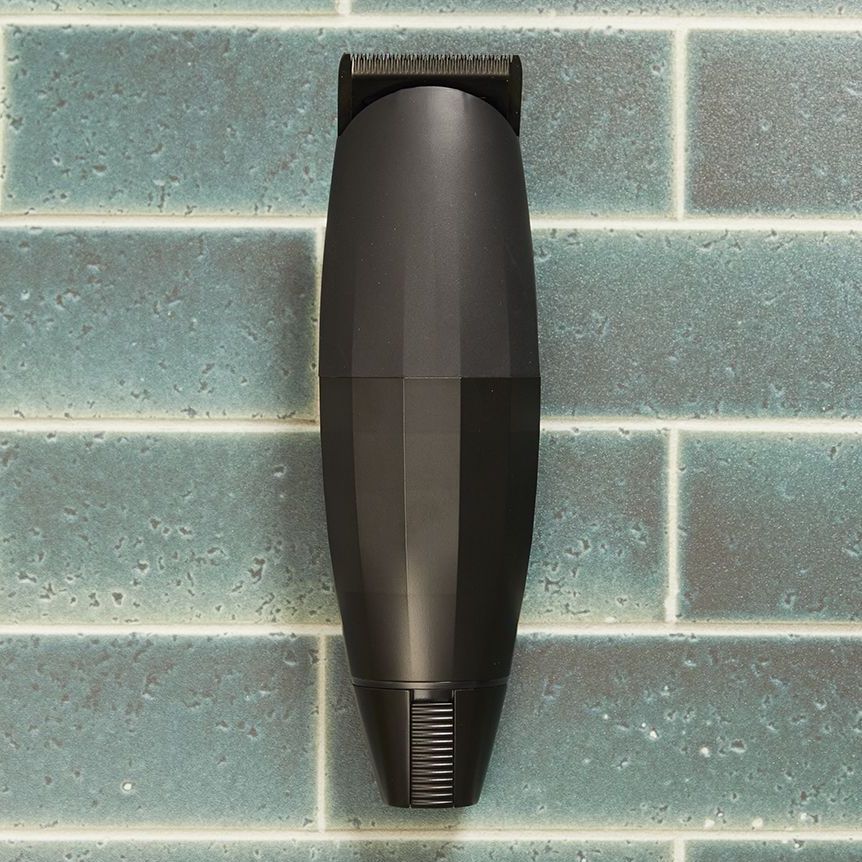
At the top of the market are professional-grade clippers, such as the Bevel Beard Trimmer, which are designed for experienced users and those with long beards. Unlike consumer-grade models that rely heavily on guards, these tools are often used freehand. They are essentially barber-quality instruments brought into the home environment.
The Bevel is notable for its industrial design and its ability to create crisp, sharp lines that standard trimmers cannot replicate. With a cordless runtime that can exceed eight hours, it is built for endurance. For men with long beards, this is often the only viable option, as the hair eventually becomes too long for even the largest plastic attachments. In these cases, the beard must be shaped like a topiary, requiring a sharp, powerful blade and a steady hand.
Hygiene and Long-Term Maintenance
Across all categories, experts emphasize two critical factors for long-term satisfaction: hygiene and blade maintenance. Regardless of the "lifetime" claims made by manufacturers, all blades benefit from regular cleaning and occasional oiling. Furthermore, the risk of bacterial transfer remains a serious consideration. Using a trimmer on the body and then the face can lead to skin infections or the transfer of fungal conditions. Investing in a kit with clearly defined, separate attachments for different zones is not just a matter of convenience, but of dermatological health.
In conclusion, the best beard trimmer of 2024 is not a universal constant but a choice dependent on the user’s specific "beard goal." Whether it is the sheer power of the Braun Series 9, the hybrid versatility of the OneBlade, or the professional precision of the Bevel, the modern man now has access to tools that were once the exclusive domain of the professional barber. As battery technology continues to improve and motors become more efficient, the line between home grooming and professional styling will only continue to blur.
