
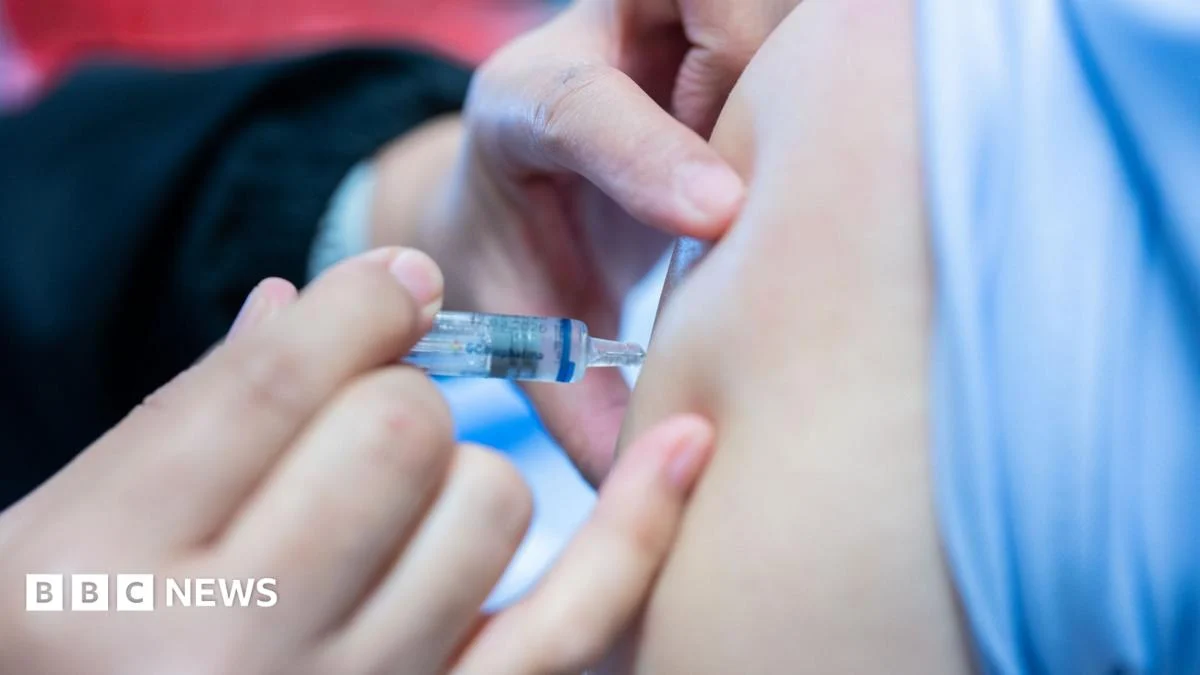
"As the NHS faces an earlier and potentially more severe flu season, stark warnings emerge regarding alarmingly low vaccination rates across vulnerable populations and children. Compounding this challenge, the persistent issue of ‘corridor care’ highlights a health service stretched to its limits, raising profound concerns for patient safety and dignity."
The United Kingdom’s National Health Service (NHS) is bracing for a challenging winter, marked by an earlier-than-expected surge in influenza cases and persistent systemic pressures. Senior health figures are sounding the alarm over alarmingly low flu vaccination rates among at-risk groups and young children, leaving millions vulnerable as the virus gains traction. This escalating public health concern is further compounded by the entrenched practice of "corridor care" within hospitals, a symptom of an already overstretched system struggling to cope with burgeoning demand and an ageing population.
Speaking at the NHS Alliance autumn conference, Sir Jim, a prominent voice within the healthcare landscape, articulated a palpable sense of apprehension. He recounted a recent hospital visit where, for the first time in years, he was asked to wear a mask – an experience he described as "a bit of a shock." This seemingly minor incident underscores a growing awareness within clinical settings of heightened respiratory virus activity. Sir Jim further revealed that hospital bed occupancy due to flu is currently exceeding last year’s figures for the same period, signaling the imminent arrival of what he termed a "horrible spike" in influenza cases. This early onset and upward trend are particularly worrying for healthcare planners, who recall last year’s initial concern over an early surge that, fortunately, peaked sooner than feared. However, with admissions already higher this year, the trajectory remains uncertain and potentially more severe.
The gravity of the situation is amplified by the concerning statistics surrounding flu vaccination uptake. According to the UK Health Security Agency (UKHSA), nearly 9.5 million individuals under the age of 65, identified as being in clinical risk groups, are eligible for the flu jab. These groups encompass individuals with chronic conditions such as lung disease, kidney or liver disease, and diabetes – conditions that significantly increase the risk of severe illness, complications, and even death from influenza. Despite this clear vulnerability, only a mere 34% of eligible adults had received their flu vaccine by November 22nd. This alarming statistic translates to almost 7 million people in critical risk categories remaining without vital protection, a gap that could have profound consequences as the flu season intensifies.
Beyond the adult population, vaccination rates for young children also paint a worrying picture. Two and three-year-olds in England are eligible for a free flu vaccine, administered conveniently as a nasal spray at pharmacies. This method is generally well-tolerated and offers robust protection, not only for the child but also for their household and wider community, by reducing viral transmission. Yet, the UKHSA reported that only 37% of eligible toddlers had taken up this offer by mid-autumn. School-age children typically receive their vaccine at school, with a catch-up service available at pharmacies until December 1st for those who missed the in-school programme. Dr. Suzanna McDonald, the UKHSA flu lead, stressed the critical importance of vaccinating children, urging parents not to "dismiss the importance of a flu vaccine for your children. It will help keep them out of hospital and even save lives." Low vaccination rates in children are a significant concern as they are often efficient spreaders of respiratory viruses, contributing to community transmission and posing a risk to more vulnerable family members.
The escalating flu crisis is set against a backdrop of an NHS already operating under immense pressure. Sir Ciaran Devane, chief executive of the NHS Alliance, representing healthcare employers, acknowledged the earlier onset of the flu season as a significant added strain. He highlighted the uncertainty surrounding the timing and magnitude of the peak, making strategic planning a formidable challenge. Sir Ciaran pointed out that the NHS has already endured a difficult summer, grappling with the demands imposed by heatwaves – a clear indicator of the system’s year-round fragility. This cumulative pressure, from extreme weather events to infectious disease surges, continually pushes already squeezed services to their breaking point.
The issue of "corridor care" exemplifies the systemic strain gripping the health service. Sir Jim unequivocally condemned this practice, describing it as having become "embedded" in certain parts of the NHS. Corridor care refers to the practice of treating patients in non-designated clinical areas such as hallways, waiting rooms, or temporary spaces due to a severe shortage of beds. This is not merely an inconvenience but a profound compromise of patient safety and dignity. As Sir Jim powerfully articulated, "It’s not something any of us would want for our families, our mothers, our aunties, uncles – whether it’s from a safety point of view, or more importantly from a personal dignity point of view." Patients in corridors lack privacy, are exposed to infection risks, receive suboptimal monitoring, and often experience delays in essential care. It reflects a critical imbalance between patient demand and available resources, stemming from a complex interplay of factors including insufficient bed capacity, staffing shortages, and difficulties in discharging medically fit patients due to lack of social care support. Sir Jim’s call to "get a grip and eliminate it" underscores the urgent need for systemic solutions to restore fundamental standards of care.
Dr. Suzanna McDonald reiterated the broader public health message, emphasizing that thousands of people succumb to influenza every year. She underscored that flu levels are predicted to climb further as the festive season approaches, inevitably leading to increased indoor socialising and closer contact, ideal conditions for viral transmission. Beyond vaccination, Dr. McDonald stressed the importance of fundamental public health measures to mitigate spread. These include meticulous hand hygiene, such as washing hands frequently with warm soapy water; practicing good respiratory etiquette by coughing and sneezing into an elbow or a tissue; and crucially, staying at home in bed when ill with respiratory symptoms. This last point is vital not only for personal recovery but also to protect others, particularly those at much higher risk from catching diseases, such as the elderly, immunocompromised individuals, and those with chronic health conditions.
The current flu season’s trajectory draws parallels with last year’s early increase in cases, which initially caused significant concern across the NHS. At that time, fears were high that numbers would continue to climb relentlessly through the challenging Christmas and New Year period. Fortunately, the outbreak peaked earlier than anticipated, and the most pessimistic predictions did not materialize. This year, however, hospital admissions for flu patients are already slightly higher than 12 months ago following another early surge. The critical uncertainty remains: officials do not yet know when the peak might be reached. This unpredictability complicates healthcare planning, making it difficult to allocate resources, manage staffing levels, and prepare for potential surges in demand for critical care beds and emergency services.
Adding to these immediate challenges is a broader, long-term increase in patient numbers across a range of illnesses and conditions over the last year. This trend is partly explained by an ageing population, which inherently requires more complex and sustained healthcare interventions due to multiple comorbidities and greater susceptibility to illness. This demographic shift places an ever-growing burden on hospitals and their dedicated staff, who are already grappling with workforce shortages, burnout, and persistent funding pressures. In this context, the prospect of a "bad flu winter" is not merely a seasonal inconvenience but a potential catalyst for significant systemic problems, risking further delays to elective surgeries, overwhelming emergency departments, and compromising the overall quality and accessibility of healthcare services. The collective efforts of vaccination, public health measures, and strategic healthcare planning are therefore more critical than ever to navigate the challenging months ahead.
