
“We were fighting to be together. It wasn’t a dream that hurt anyone.” This poignant sentiment from a teenage asylum seeker encapsulates the devastating reality for many unaccompanied minors and their families navigating the U.S. immigration system, where a system intended for child welfare has become a pathway to prolonged separation and distress.
The journey for vulnerable children fleeing violence and seeking safety in the United States has been dramatically altered, transforming from a process focused on reunification and well-being into one that often ensnares families and prolongs detention. What was once a relatively swift process for placing children with vetted relatives is now characterized by extended stays in shelters, the detention of potential sponsors, and a growing fear among families that seeking refuge will lead to further trauma. This shift raises profound questions about the ethical implications of current immigration policies and their impact on the most vulnerable populations.
This article explores the harrowing experiences of children like M.R., a 9-year-old girl from El Salvador, and her mother, Carmen, illustrating how the U.S. Department of Health and Human Services’ Office of Refugee Resettlement (ORR), established to care for unaccompanied children, has been reconfigured, leading to extended detentions and family separations. Once a refuge, these shelters are now, for many, a prolonged period of uncertainty and emotional distress, as the system prioritizes enforcement over the fundamental right to family unity and child welfare.
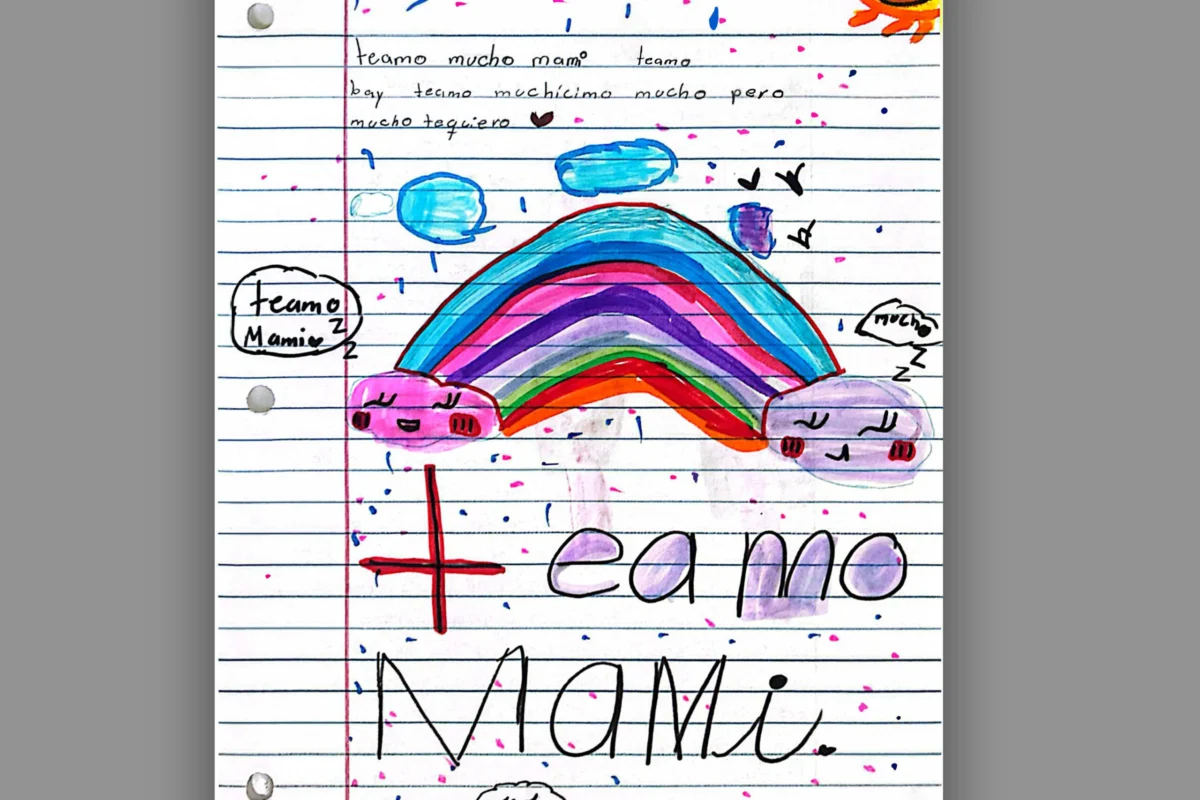
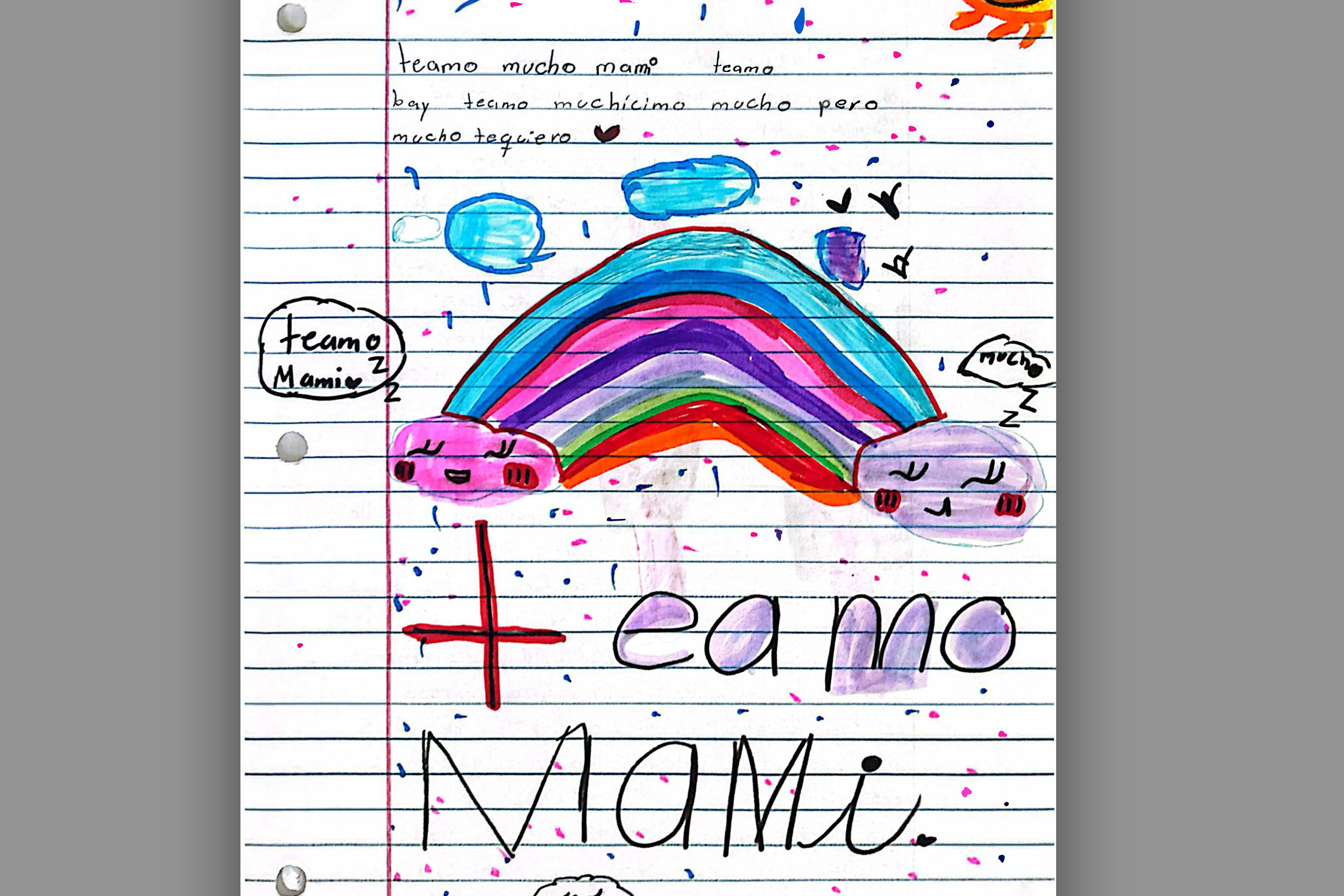
M.R.’s story, shared with KFF Health News under the condition of anonymity for fear of government reprisal, begins with a simple, heartfelt letter to her mother: "I want to be with you already," she wrote in Spanish, adorned with hearts and a rainbow. This innocent plea, penned from a Houston-area shelter where she had been held for over seven months, belied a deeper anguish. Her attorney revealed that M.R. had become increasingly distraught, expressing profound loneliness, a desperate longing for a hug, and physical symptoms like nosebleeds, which she feared were signs of infection. Her cries of sadness and isolation underscored the emotional toll of her prolonged separation from her mother, Carmen.
Adding to this heartbreak, Carmen, while actively engaged in the process to regain custody of her daughter, was unexpectedly arrested by federal immigration officials and transferred to a detention center in Louisiana. This occurred despite her having a pending asylum case and no criminal record, a stark illustration of the systemic obstacles faced by those seeking safety. From her detention center, Carmen conveyed the shared plight: "Both of us are trapped. She’s just a helpless little girl. The process shouldn’t be like this."
As of September, M.R. was one of nearly 1,900 children housed in shelters overseen by ORR. This office, mandated by Congress over a decade ago to provide specialized care for unaccompanied children separate from immigration enforcement, has seen its mission significantly altered. Under the current administration, the resettlement office has reportedly been repurposed to support deportation efforts, often detaining children rather than facilitating their reunification with family members in the United States. Advocates and legal experts suggest this approach can be used to ensnare family members, a tactic employed against children fleeing violence or abuse in their home countries.
Jonathan White, a former federal health official who previously managed ORR’s unaccompanied children program, explained that the office’s legal obligation is to place children in the "least restrictive setting" and release them "without unnecessary delay," typically to vetted parents or family members. However, White noted a significant shift, stating that children in ORR’s care have become "collateral damage" in the administration’s broader immigration policy agenda. He described the reshaping of the shelter system from a child welfare program into a detention apparatus designed to encourage immigrants to leave the country.
While the number of children in ORR shelters has decreased in recent years, those remaining often face extended stays, with few viable options beyond long-term foster care or a return to the dangerous conditions they fled. This predicament arises when potential guardians are detained or unable to navigate the complex sponsorship process. Attorneys report instances where ORR has refused to release children even when sponsorship requirements are met, necessitating legal action for their release. U.S. Rep. Andrea Salinas (D-Ore.) highlighted this issue, stating during an October 1 news conference that prolonged detention can make "voluntary departure" feel like no choice at all for children with no perceived way out.
The Department of Homeland Security (DHS) has not directly addressed specific inquiries from KFF Health News but has framed the detention of sponsors as a measure to protect children from harm. A 2024 federal watchdog report indicated that ORR had not adequately screened sponsors during a surge of unaccompanied children under the Biden administration. Furthermore, news reports have documented cases of child exploitation following release from agency custody. In an unsigned email, DHS reiterated its stance that "ICE does not separate families" and asserted its efforts to locate an estimated 450,000 unaccompanied children who arrived during the Biden administration. The department claimed many were placed with unvetted sponsors involved in smuggling and sex trafficking, a claim that has been contested. DHS provided a list of 16 cases involving sponsors arrested for serious crimes, including rape, drug trafficking, and homicide.
John Fabbricatore, a senior adviser with ORR, echoed DHS’s concerns about child safety, asserting that the office’s processing and release times are comparable to the U.S. foster care system. He stated, "ORR is not slow, we are just more careful, as we should be: children’s lives are at stake."
M.R.’s journey to the U.S. began late last year with her older sister. They traversed the Rio Grande, ultimately being detained by Border Patrol in Texas. Their hope was to reunite with their mother and brother, who had fled El Salvador years earlier and settled in Tennessee. The family had experienced profound loss; gang members had murdered M.R.’s father, uncle, and a pregnant cousin, fueling Carmen’s fear for her daughters’ safety. During her care in El Salvador, M.R. and her sister were also subjected to physical abuse by their maternal grandmother, as M.R. later recounted to a social worker.
Upon arrival, like many others traveling alone, M.R. and her sister expected a brief stay in a shelter before being reunited with family. In contrast to the protracted delays seen today, M.R.’s brother, who arrived in the U.S. in 2024, spent only 11 days in a shelter. Previously, children typically waited about a month for federal officials to vet their relatives or other sponsors.
The current administration has implemented stricter requirements for sponsors, arrested parents and caregivers who come forward to claim children, and appointed a former immigration law enforcement official to lead ORR. Consequently, average stays in shelters have extended to nearly six months, with some children, like M.R., remaining for much longer periods, even with qualified sponsors. Alvaro Huerta of the Immigrant Defenders Law Center cited instances of a 3-year-old remaining in ORR custody for 300 days and a 6-year-old held for seven months after her father was detained during sponsorship vetting and subsequently deported. In one particularly egregious case, a mother arriving to reunite with her daughter was sent with the child to an immigration detention center in Dilley, Texas, a facility that has faced severe criticism from lawmakers, advocates, and families for alleged inhumane conditions.
Immigration lawyers report that the administration is undermining legal protections for migrant children while simultaneously accelerating deportation proceedings. Children, some as young as one year old, are appearing before immigration judges alone due to disruptions in legal services. In some instances, immigration officials have detained children even after they have been placed with sponsors and are living within their communities. Furthermore, children, including M.R., have reportedly been offered financial incentives, such as $2,500, to voluntarily return to their home countries.
M.R.’s older sister was released upon turning 18, just three weeks after their arrival. Courts have intervened to block the administration’s attempts to transfer individuals to immigration detention once they reach adulthood while in ORR custody. This left M.R. alone in a new country, separated from her mother and older siblings.
The situation escalated in April when Carmen attended a DNA testing appointment, which she believed was the final step for her daughter’s release. Documentation reviewed by KFF Health News confirmed the appointment at a DHS office. She and her older children had prepared M.R.’s room with a Hello Kitty bedspread, Frozen curtains, and a star-projecting lamp, excitedly showing it to her on a video call. However, without a warrant, immigration officers detained Carmen at the appointment. Subsequently, ORR rejected her sponsorship application, citing the detention that the agency itself had facilitated.
This development devastated M.R. "She doesn’t have an understanding of why she’s stuck there and why the government would detain her mom instead of reuniting them," said Alexa Sendukas, managing attorney with the Galveston-Houston Immigrant Representation Project, representing the child. "Our government has completely failed them and has treated them in a way no human being should ever be treated."
DHS declined to comment on the specifics of Carmen and M.R.’s case, stating that it could only provide details if it received full identifying information, including names and noncitizen identification numbers. The agency’s press office responded, "When the media refuses to give names, it makes it impossible to provide details on specific cases or even verify any of this even happened or that the people even exist. If you can’t do your job, we can’t do ours," without providing a spokesperson’s name.
Reports from the Houston-area shelter indicate that M.R. received counseling. While no mental health diagnoses were recorded, a therapist noted her sadness and crying when discussing her lengthy shelter stay and separation from her mother. Carmen, who spoke with her daughter approximately three times a week, reported that M.R. was struggling and blaming herself. Each phone call was filled with M.R.’s questions about when she would be released and reunited with her mother, and her complaints of feeling unwell and lacking comfort. Carmen expressed feeling like "the worst mother in the world" for being unable to explain the situation to her daughter.
Jonathan White described M.R.’s situation as indicative of ORR’s shift towards prioritizing immigration enforcement over child welfare. "There is no scenario ever where it’s in the best interest of the child to tell them you’re going to release them to their mom, and prepare them for that, and then use their planned unification as a pretext to apprehend the mom," he stated.
Dr. Sural Shah, part of a physician team from the American Academy of Pediatrics that has visited migrant child shelters, noted that many children are developing mental illnesses due to prolonged stays. "It’s heartbreaking," she said, detailing instances of anxiety, depression, and stress disorders leading to developmental regression, acting out, and self-harm. Symptoms like bedwetting, chest pains, and night terrors are common, with months of confinement potentially leading to long-term health effects like post-traumatic stress disorder. Mickey Donovan-Kaloust, legal services director at the Immigrant Defenders Law Center, reported that some distressed children have attempted suicide.
A teenage brother and sister from Venezuela, who spent over a year in a federal shelter in Texas, shared their experience of limited freedom, repetitive academic lessons, and monotonous meals. They also faced reprimands for minor infractions. After their father was detained during his sponsorship process, the sister experienced a complete loss of appetite and exhibited PTSD symptoms. The brother described the experience as mentally and emotionally debilitating, stating, "I was a broken kid. I didn’t know whether to laugh when I got bad news, I didn’t know whether to cry."
Carmen was issued a deportation order while in detention, facing an agonizing choice: abandon her youngest child to long-term foster care or return with her to El Salvador, a country still plagued by gang violence and threats from those who had targeted her family. Her teenage children would remain in the U.S. to pursue their asylum cases. Despite a decrease in gang violence, Carmen stated that the individuals responsible for her family’s deaths and her own threats were still active in her former neighborhood.
Jennifer Podkul, chief of global policy and advocacy at Kids in Need of Defense, highlighted that immigrant families nationwide face such devastating choices daily. In July, Carmen, unable to bear her youngest daughter’s distress any longer, decided they would leave together. Her lawyer explained that Carmen could have appealed her deportation order but was concerned about the mental health toll on her daughter, who had expressed profound loneliness on holidays and birthdays, pleading, "I don’t want to feel alone again… I don’t want to go on like this."
In mid-September, three weeks before her 10th birthday and 281 days after arriving in the U.S., M.R. was deported to El Salvador with her mother. Her older siblings remain in the U.S., continuing their asylum cases without their mother. The brother has dropped out of high school and, with his twin sister, moved to live with a relative. "I just hope other people understand that we’re all fighting for something," he said. "We were fighting to be together. It wasn’t a dream that hurt anyone."
