
“By moving beyond a mere catalog of genetic mutations to a comprehensive wiring diagram of protein interactions, researchers have unlocked a blueprint for precision medicine that could finally bridge the gap between genetic discovery and clinical treatment for autism.”
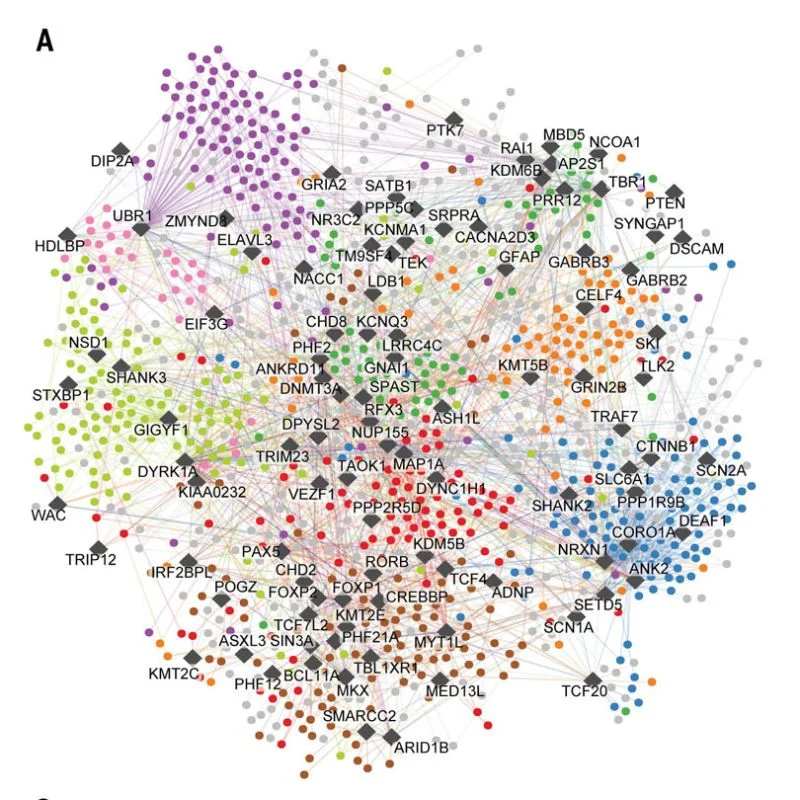
The quest to understand autism spectrum disorder (ASD) has long been hindered by the sheer biological diversity of the condition, which involves hundreds of different genetic risk factors. However, a landmark study published in the journal Science marks a pivotal shift in neurodevelopmental research, utilizing artificial intelligence and lab-grown human brain tissue to map how these disparate mutations converge on shared molecular pathways. By shifting the focus from individual genes to the physical interactions between proteins, scientists have created a "wiring diagram" of the autistic brain, providing a concrete roadmap for the development of targeted therapies that were previously unimaginable.
The Complexity of the Genetic Landscape
For decades, the primary challenge in autism research has been the "n-of-1" problem: the fact that two individuals with the same diagnosis may have entirely different genetic drivers. To date, scientists have identified more than 250 genes associated with ASD. In clinical terms, this meant that a treatment designed to fix one genetic mutation might be useless for 99% of the rest of the autistic population. This fragmentation made drug development a high-risk, low-reward endeavor for pharmaceutical companies, as the "market" for any single genetic fix was too small.
Dr. Nevan Krogan, a professor at the University of California, San Francisco (UCSF) and a senior investigator at the Gladstone Institutes, likens the current state of genetic knowledge to an unassembled "parts list." Knowing which parts are broken is helpful, but it does not explain how the machine—in this case, the developing human brain—fails to function. The new research, led by Krogan and his colleagues at UCSF, seeks to move past the list and into the mechanics of the machine itself.
From Genes to Protein Interactions
The study’s core premise is that while hundreds of different genes may be mutated, those genes often produce proteins that work together in the same "neighborhoods" or biological pathways. If multiple mutations all disrupt the same protein-protein interaction (PPI), then a single drug designed to stabilize that interaction could potentially treat patients with many different genetic profiles.
To test this theory, the research team systematically mapped how genetic mutations tied to autism influence the way proteins "talk" to one another in the brain. This was an undertaking of unprecedented scale. The researchers identified more than 1,800 protein-protein interactions specifically linked to autism. Perhaps most startlingly, 87% of these interactions had never been documented before. This "mutant map" provides the first clear look at how the physical architecture of the brain is rewired at a molecular level during early development.
The Role of AlphaFold and Brain Organoids
The scale of this discovery was made possible by two of the most significant technological advancements in modern biology: artificial intelligence and brain organoids.
The researchers utilized AlphaFold, an AI system developed by Google DeepMind that can predict the 3D structures of proteins with incredible accuracy. Proteins are the workhorses of the cell, and their function is determined by their shape. When a gene mutates, it often changes the shape of a protein, preventing it from "docking" correctly with its partners. AlphaFold allowed the researchers to prioritize which mutations were most likely to cause significant structural disruptions, narrowing down thousands of possibilities to the most impactful targets.
These insights were then validated using "tiny brains"—or brain organoids. These are three-dimensional tissues grown in the lab from human stem cells that mimic the cellular structure and developmental stages of a human fetus’s brain. By introducing specific autism-linked mutations into these organoids, the researchers could observe in real-time how "rewired" protein networks led to abnormal brain development. This approach bypasses the limitations of animal models, which often fail to replicate the unique complexities of the human neocortex.
A Watershed Moment for Profound Autism
While the "spectrum" in autism is broad, this research is particularly significant for those with "profound autism." This term generally refers to individuals who require 24-hour care and often face significant challenges with communication and daily living. This group represents approximately 30% of the autistic population.
Alison Singer, president of the nonprofit Autism Science Foundation, described the study as a "huge watershed moment." For families of children with profound autism, the hope has always been for "precision medicine"—treatments tailored to the underlying biology of the condition rather than just managing behavioral symptoms. Singer noted that by identifying where different genes converge on shared pathways, the research offers a path toward helping large groups of people who may not even have a known genetic cause for their condition but share the same disrupted protein "wiring."
Expanding the Therapeutic Horizon
The implications of this molecular map extend far beyond autism. Dr. Krogan noted that the protein-protein interactions identified in the study are likely relevant to other neuropsychiatric conditions, including schizophrenia, obsessive-compulsive disorder (OCD), and various tic disorders. Furthermore, because many of these proteins are involved in basic cellular growth and signaling, the findings could even have applications in cancer research.
Currently, Krogan and his team have already launched three separate programs aimed at developing new therapies based on the insights from this map. The goal is to identify existing drugs that could be "repurposed" to stabilize these protein complexes or to design new small molecules that block pathological interactions.
However, the road from a laboratory map to a pharmacy shelf remains long. Dr. Andy Shih, Chief Science Officer at Autism Speaks, cautioned that while the study is a massive leap forward, clinical applications are still years away. Translating molecular interactions into safe and effective human medications requires rigorous clinical trials to ensure that intervening in these pathways doesn’t cause unintended side effects in the highly sensitive environment of the developing brain.
The Political and Scientific Crossroad
The timing of this discovery coincides with a period of potential transition in federal autism policy. In the United States, the Interagency Autism Coordinating Committee (IACC) is responsible for setting the national strategic plan for autism research. With the second Trump administration taking shape, there are concerns within the scientific community regarding the direction of federal funding.
A new draft plan for autism research has drawn criticism from some advocates, including Alison Singer, for seemingly deemphasizing genetics and neurodevelopment in favor of a "broad injury model." This shift is concerning to researchers who believe that moving away from biological and genetic evidence could slow the momentum of breakthroughs like the UCSF study. There is particular concern that political focus may shift back toward debunked theories, such as the link between vaccines and autism, which could divert limited federal resources away from the "wiring diagrams" that Dr. Krogan and his team are building.
Conversely, others like Dr. Shih remain optimistic that the federal government will continue to see the value in large-scale, data-driven approaches. The high cost of long-term care for individuals with profound autism provides a strong economic incentive for the government to invest in research that could lead to life-changing treatments.
Conclusion: A Clearer Path Forward
The publication of this molecular map in Science changes the narrative of autism research from one of overwhelming complexity to one of navigable pathways. By using AI to bridge the gap between genetic code and physical protein structure, scientists have provided a common language for understanding how the brain develops differently in autistic individuals.
As Dr. Krogan summarized, the vision is to look back years from now and see this map as the origin point for the first generation of true autism treatments. While the "parts list" of the human brain is still being written, the "wiring diagram" is finally starting to make sense, offering a beacon of hope for millions of families worldwide. The path from genetic discovery to treatment is no longer a mystery; it is now a matter of engineering, investment, and time.
