
"The light has been dimmed in their eyes." These words capture the profound emotional toll on children separated from their parents by deportation, a crisis leaving a generation grappling with anxiety, depression, and long-term health consequences.
The forced separation of parents from their children due to deportation policies has created a silent epidemic of trauma, particularly impacting U.S. citizen children who are left behind to navigate childhood without a primary caregiver. This deeply destabilizing experience, often occurring abruptly and without warning, plunges young lives into a vortex of fear, uncertainty, and profound grief, with repercussions that extend far beyond the immediate aftermath. The psychological impact on these children is severe and persistent, potentially shaping their mental and physical health for years to come, a crisis that demands urgent attention and understanding.
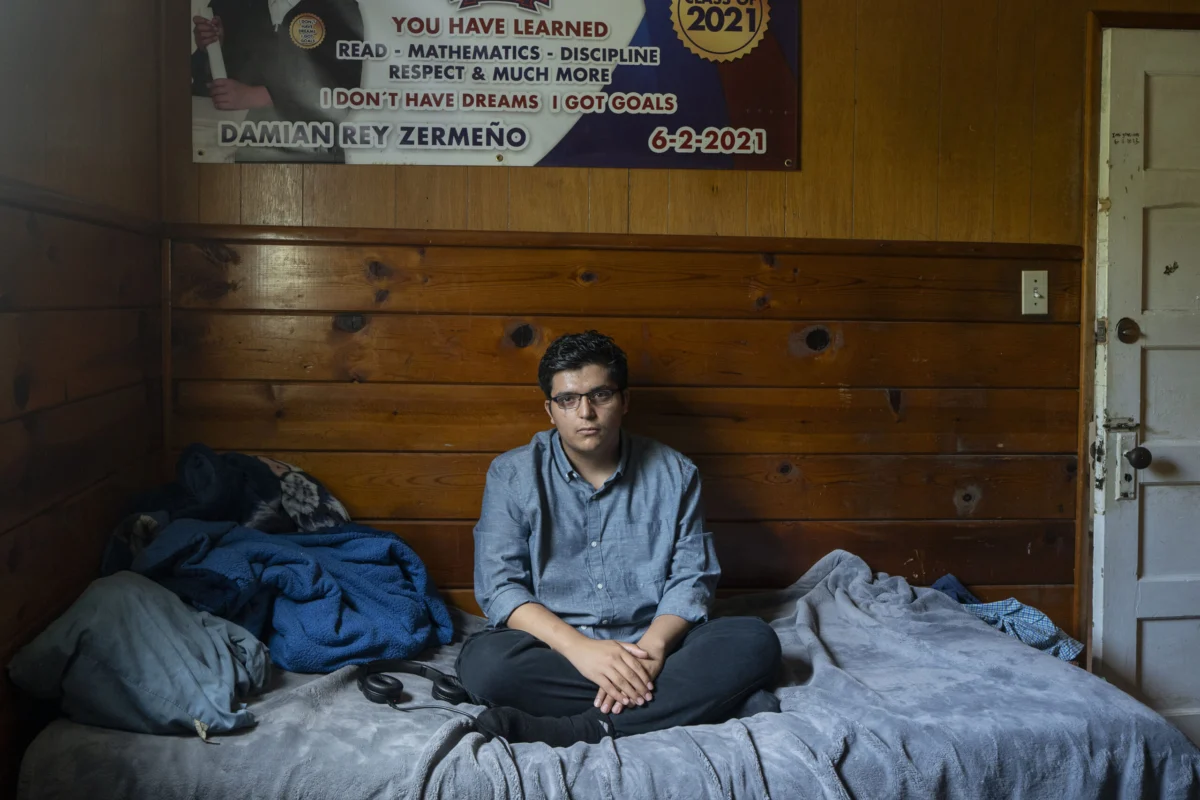
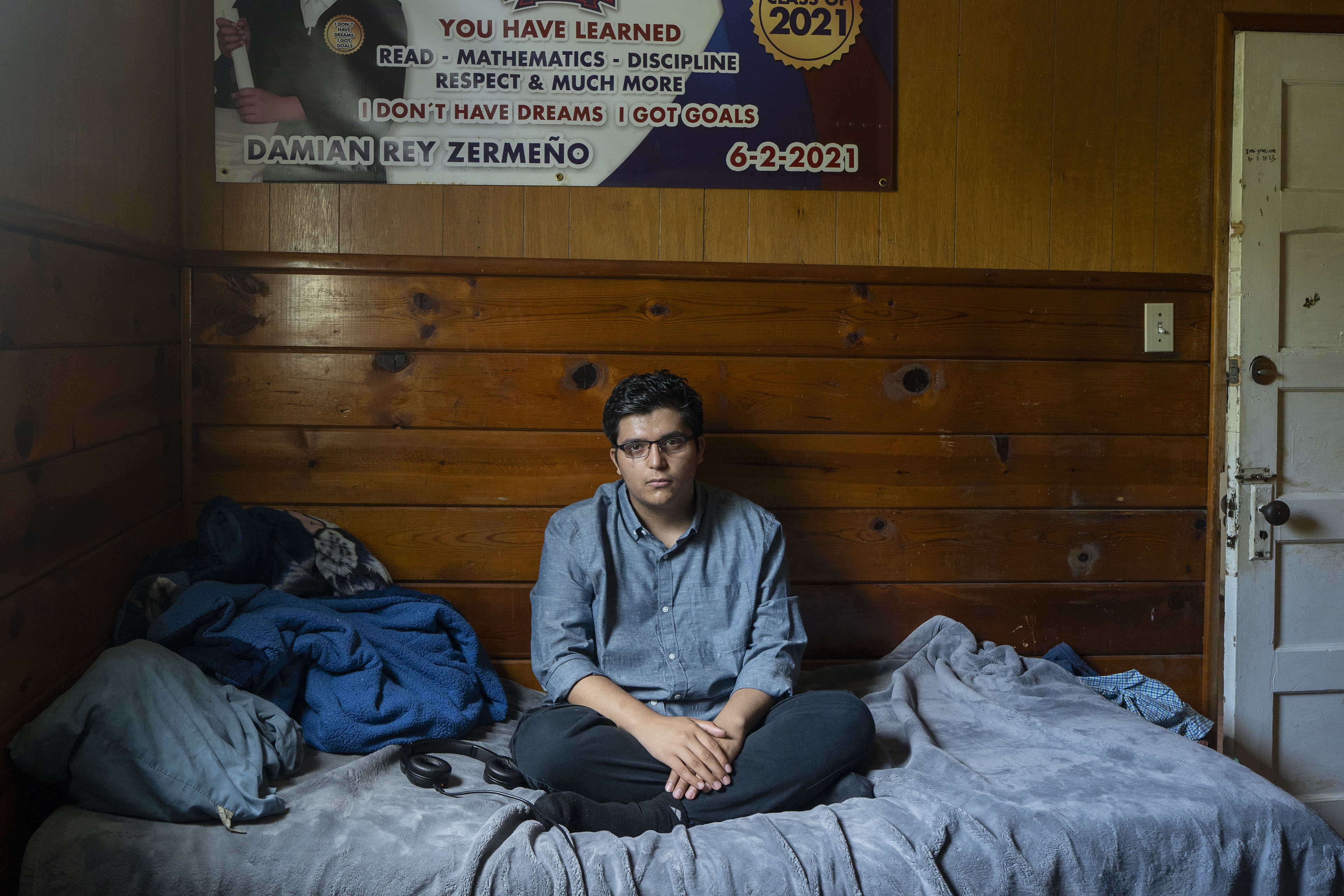
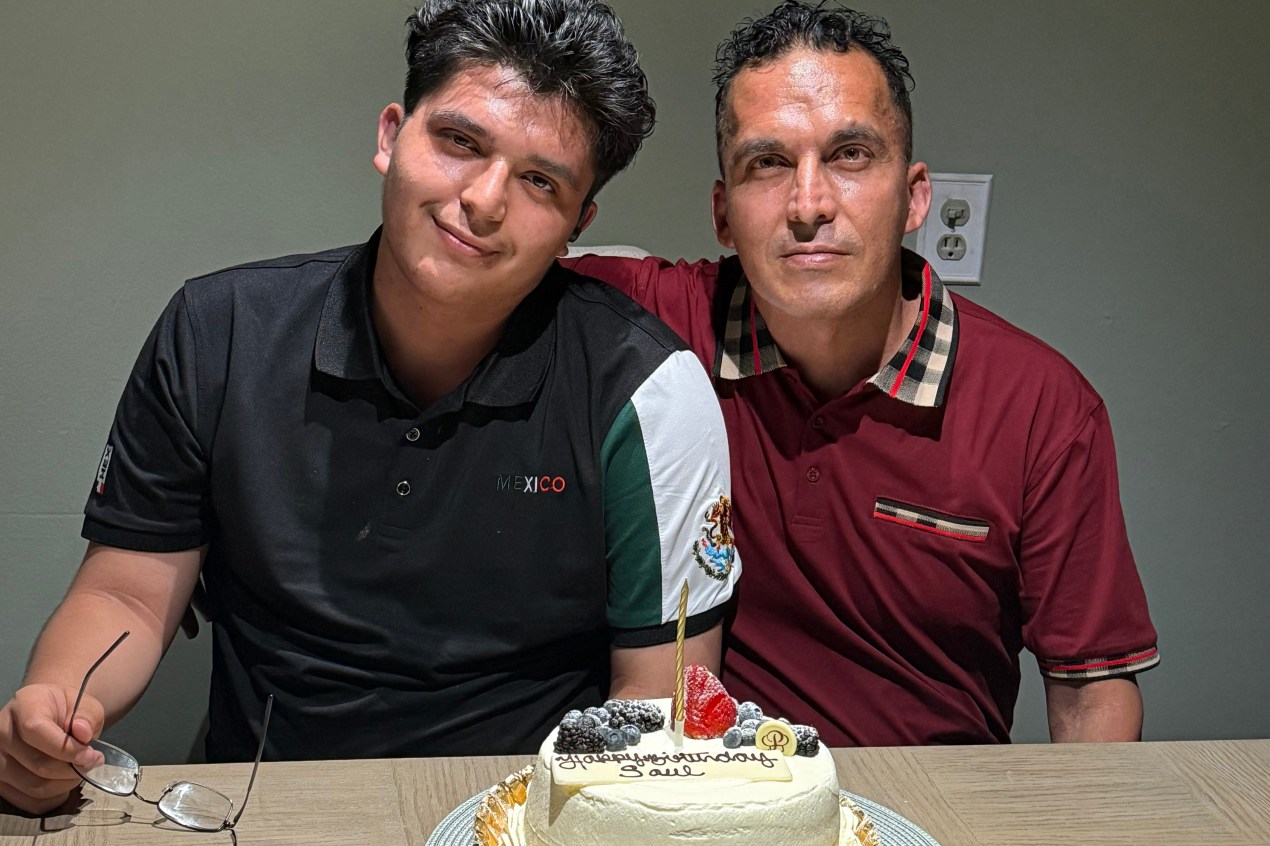
Damian Zermeño, a 15-year-old American citizen, experienced this shattering reality firsthand. His world imploded the moment he returned from school on October 3rd to find his aunt weeping and his father, Saúl Zermeño, absent. Saúl, a 45-year-old single father who had been Damian’s sole caregiver since infancy, had gone to a routine check-in at an Immigration and Customs Enforcement (ICE) office. Despite having deferred action that allowed him to work and reside in the U.S., he was deported to Mexico, a country he hadn’t lived in since he was nine. This sudden separation left Damian, who has ADHD and autism, facing the daunting prospect of navigating his teenage years without his father’s constant support and care.
Damian’s experience is not an isolated incident. He is one of an estimated hundreds of thousands of children, predominantly U.S. citizens, who have been separated from a parent due to the Trump administration’s stringent deportation policies. These separations, often occurring through abrupt detentions or deportations, leave children vulnerable and traumatized. Parents have been arrested while performing everyday tasks like dropping children at school, inside their homes, or even during immigration check-ins, sometimes with their children present. The majority of individuals detained for immigration violations have no criminal convictions; their presence in the U.S. without authorization is typically a civil offense. The consequences for the children left behind are devastating, plunging their lives into a state of pervasive fear and uncertainty.
The long-term implications of such traumatic separations are deeply concerning. A generation of children from immigrant families is exhibiting mental health challenges that could have lasting effects. Therapists and those working with immigrant families report seeing preschoolers with speech delays, elementary school children expressing suicidal thoughts, and teenagers too anxious to leave their homes. Extensive research consistently demonstrates that separating children from their parents is detrimental to their health and development. The immense stress experienced by these children can disrupt their brain and body functions, increasing their vulnerability to mental health issues such as depression, anxiety, and post-traumatic stress disorder (PTSD), as well as physical health problems like a weakened immune system and developmental delays.
Reverend Tanya Lopez, a pastor at Downey Memorial Christian Church involved with a support organization for immigrant families in the Los Angeles area, described the visible impact on these children: "You can just see it in their faces; it’s almost like the light has been dimmed in their eyes." This emotional dimming is not merely a temporary phase. The health risks associated with this stress response are chronic. Individuals who experience parental separation and other childhood traumas are at a higher risk for developing chronic conditions like heart disease, diabetes, and cancer in adulthood.
In response to such concerns, the Department of Homeland Security has stated that ICE does not intentionally separate families and that parents are offered the choice to be removed with their children or to designate a safe guardian for them in the U.S. However, reports from organizations like the Women’s Refugee Commission and Physicians for Human Rights indicate a starkly different reality for many. These findings suggest that parents are often not given this choice, and ICE frequently fails to ascertain whether detainees have children or to ensure the safety of those left behind. Saúl Zermeño’s account corroborates this, as he stated ICE officers did not inquire about his son or assess Damian’s well-being prior to his deportation.
For days after his father’s deportation, Damian retreated into his room, losing interest in food, school, and his favorite video game, Fears To Fathom. His return to school was marked by crying spells and overwhelming sadness, diminishing his engagement even in his favorite subject, English. His father had been his rock, managing his medical appointments for ADHD, autism, and other conditions, cooking his meals, and ensuring his well-being. Saúl also instilled in Damian a sense of responsibility by involving him in his construction work. The motivational talks Damian once found annoying are now deeply missed. "I thank my dad every day for teaching me to be strong before he left," Damian reflected.
Elsewhere in Los Angeles, nine-year-old Jacob, a shy boy grappling with the absence of his mother, clung to his father’s hand as they navigated the harsh realities of their environment. His father, Andreis, shared that Jacob hoped for his mother’s release from immigration detention so he could embrace her again. Jacob, who dreams of becoming a police officer, also carries the trauma of his family’s perilous journey from Colombia, fleeing threats from a paramilitary group. Their trek to the U.S. involved witnessing horrific violence, including seeing dead bodies, being kidnapped and robbed at gunpoint, and experiencing a rape. After arriving in Los Angeles, Jacob began to recover from nightmares and intense fear with the help of school and therapy. However, this fragile peace was shattered when his mother was detained at an ICE check-in appointment, leaving Jacob inconsolable and filled with rage.
The detention of Jacob’s mother, who had a pending asylum application and no criminal record, plunged the family into crisis. Jacob’s subsequent distress manifested in a loss of appetite, sleeplessness, and behavioral issues, including blaming his father. Andreis, simultaneously dealing with his own grief and desperation, struggled to care for his son and maintain his wife’s commissary account, which was essential for her communication and well-being in detention. Jacob’s longing for his mother was palpable, expressed through actions like spraying her perfume to feel close to her. After nearly five months of detention, Jacob’s mother was released, but the family remains under the constant threat of further detention or deportation, with Andreis appealing a removal order for himself and Jacob.
A recent analysis by the Brookings Institution estimates that over 200,000 children, including 145,000 U.S. citizen children, have had at least one parent detained since President Trump’s return to office. A significant portion of these children, approximately one-third, are under the age of six. The number is projected to rise, fueled by substantial government funding allocated to immigration enforcement. Furthermore, over 4.6 million U.S. citizen children currently live with a parent at risk of deportation.
The emotional toll on these families is immeasurable. Noemi, a Guatemalan asylum seeker, recounted a traumatic incident where immigration agents smashed her partner’s car window and forcibly removed him during a check-in appointment. While agents attempted to separate her from their three young children, they desisted when the children began screaming. Her partner, a Mexican national who had lived in the U.S. for nearly two decades, was subsequently detained. "It was something tragic, something inexplicable that happened that day," Noemi stated, her family’s bond fractured.
The Adelanto ICE Processing Center, a large, privately run facility in the Mojave Desert, has been a focal point for immigration detention. Since her partner’s detention in December, Noemi’s children have exhibited profound distress. Her seven-year-old daughter became depressed, stopped eating, and regressed academically and developmentally. Both older children struggled with sleep and questioned if their father’s detention was a consequence of their own misbehavior. The youngest daughter, who had learned to walk, reverted to crawling for three months, crying out for her father in her sleep.
Sofia Mendoza, a therapist specializing in immigrant families, explains that separated children experience a unique form of grief, compounded by the fact that their parent is alive but inaccessible. This can disrupt the child’s attachment to that parent and their capacity to form future trusting relationships. Many children develop severe anxiety, anger, and fear. Younger children often present with physical symptoms like stomachaches, separation anxiety, and behavioral regressions, while older children may experience panic attacks, nightmares, and concentration difficulties. The loss of a caregiver is also linked to an increased risk of suicide and substance use in children. Norma Gómez, a project manager for the Mixteco Indigena Community Organizing Project, shared how her nine-year-old daughter became afraid to leave her parents after witnessing classmates’ distress over family detentions. The child’s request for copies of her parents’ residency documents for her classmates underscores a desperate need for security and belonging.
For Damian, the deportation of his father has forced a premature transition into adulthood. Living with his aunt Claudia, he struggles to adapt to his father’s absence, experiencing a decline in his grades due to an inability to focus. Activities he once enjoyed with his dad now hold no appeal. "Fun is over," he stated, "It’s time to be an adult right now." This newfound independence has manifested in him taking on household responsibilities, including laundry and chores, and even styling his own hair. He endeavors to uplift his aunts, who are also deeply affected by his father’s absence, often using humor to shield them from his own sadness.
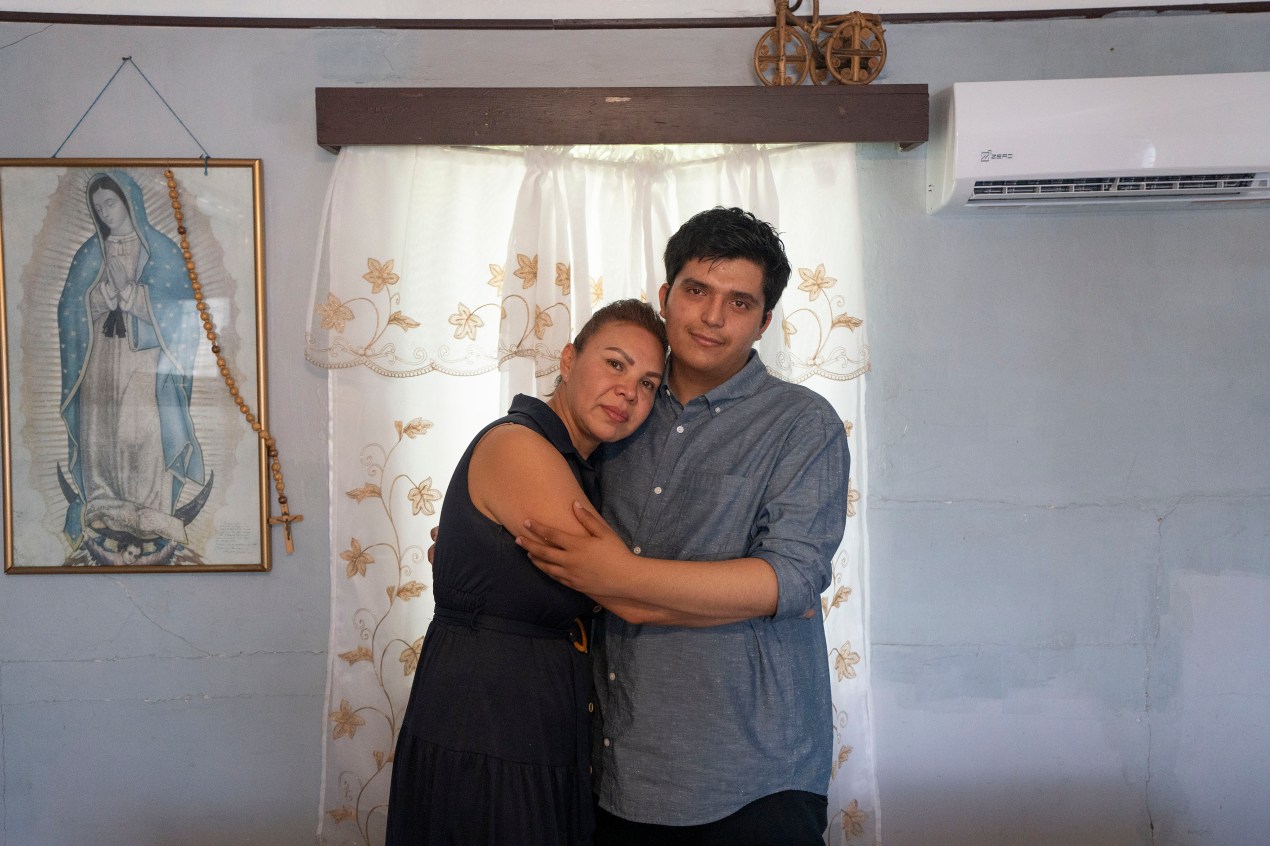
Damian receives therapy both in and out of school, utilizing breathing exercises to manage his anxiety and sadness, though he admits to feeling heartbroken despite his efforts to maintain a facade of normalcy. His father, Saúl, now in Guadalajara, worries about Damian’s health, particularly his neurofibromatosis Type 1, a genetic condition requiring regular medical monitoring. The fear that Damian may not receive adequate care without him is a constant concern. While his aunt Claudia has assumed legal guardianship, she is also managing her own children and her mother’s neurological condition, adding to the strain.
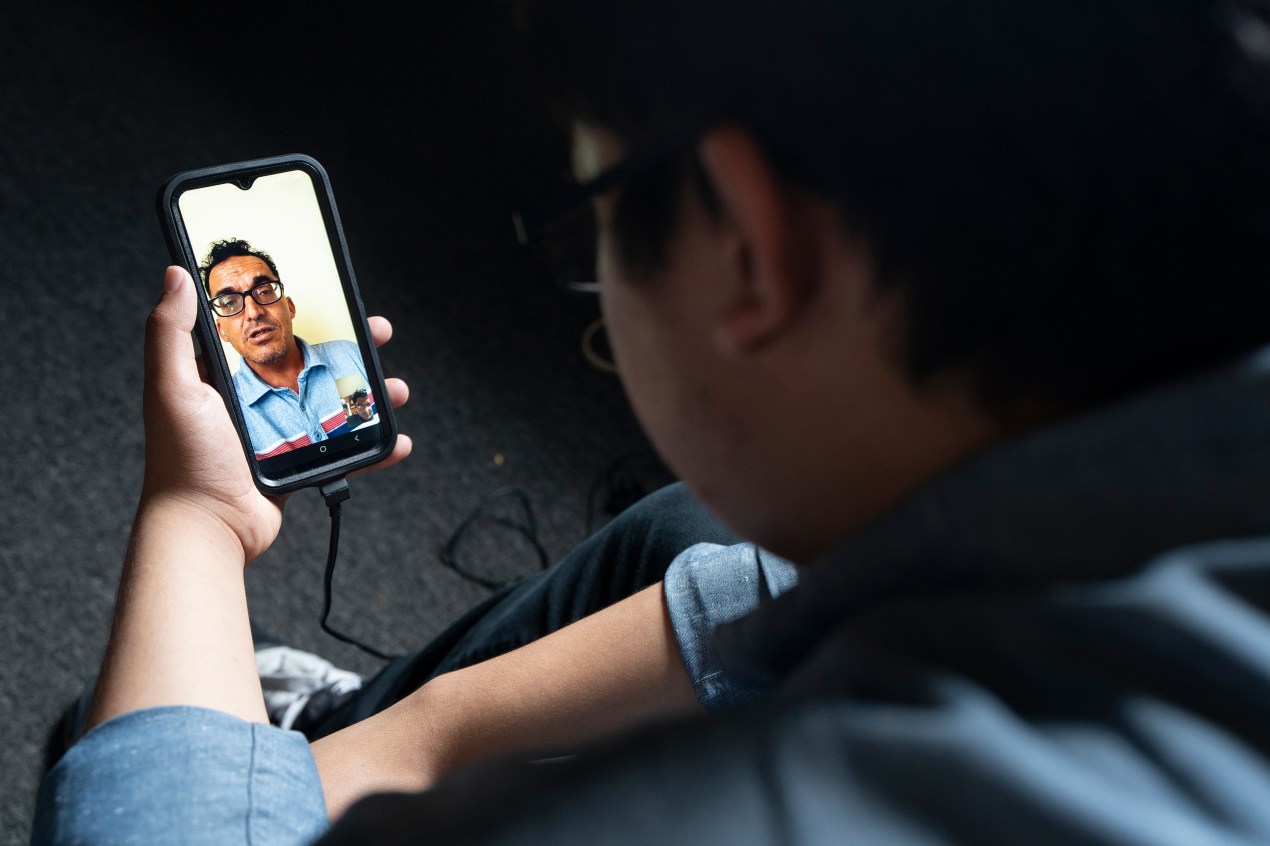
Despite the vast distance and legal hurdles, Damian maintains regular contact with his father. Obtaining a passport to visit him in Mexico is complicated by his minor status. Saúl is actively pursuing legal avenues to return to the U.S., a process fraught with uncertainty. In the meantime, Damian is focusing on his own development, planning to obtain his driver’s license and, foregoing college aspirations, aiming to enter the workforce after high school to support his aunts and father. He continues to cry, but now, only in the solitude of his room.
