
"Grief for a public figure is not a lack of perspective, but a testament to the profound emotional and neural pathways we build with those who represent our shared values, personal milestones, and cultural history."
The passing of Dolly Parton at the age of 80 has triggered a global wave of mourning that transcends the typical boundaries of celebrity fandom. While the world has lost a prolific songwriter, actress, and philanthropist, individuals are reporting a sense of loss that feels deeply personal, as if a member of their own family has died. This phenomenon, which psychologists categorize as parasocial and collective grief, highlights the intricate ways in which public icons become woven into the fabric of private lives, serving as anchors for memory, identity, and emotional resilience over many decades.
The News That Silenced the Music City
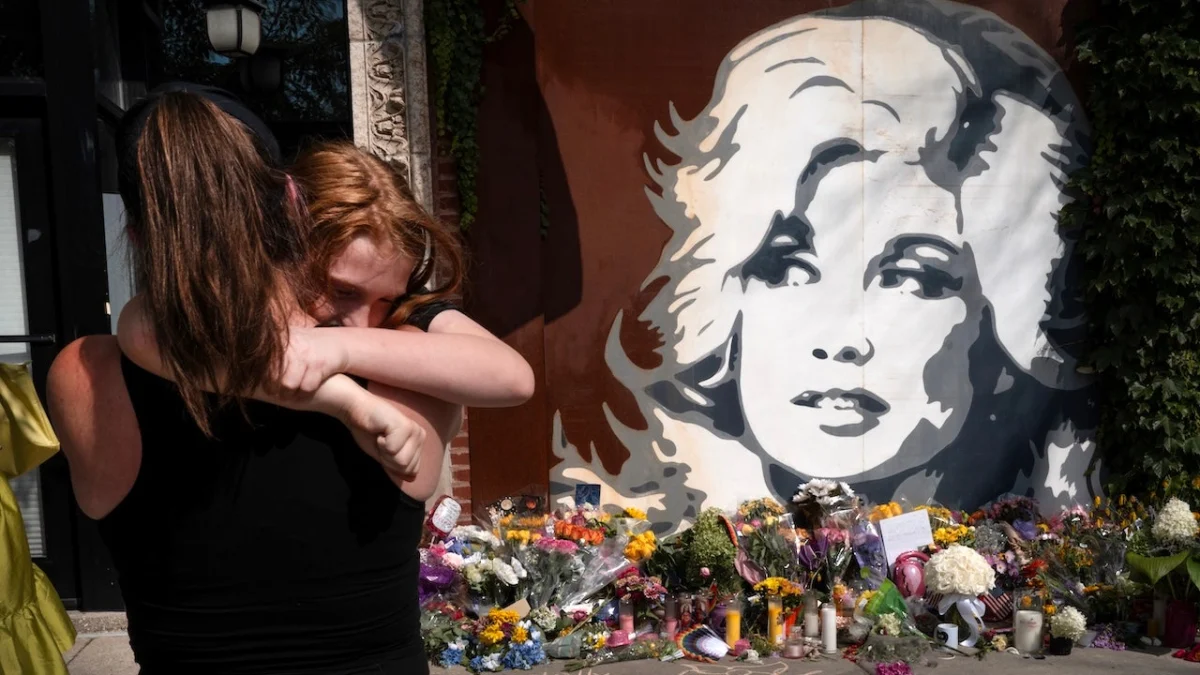
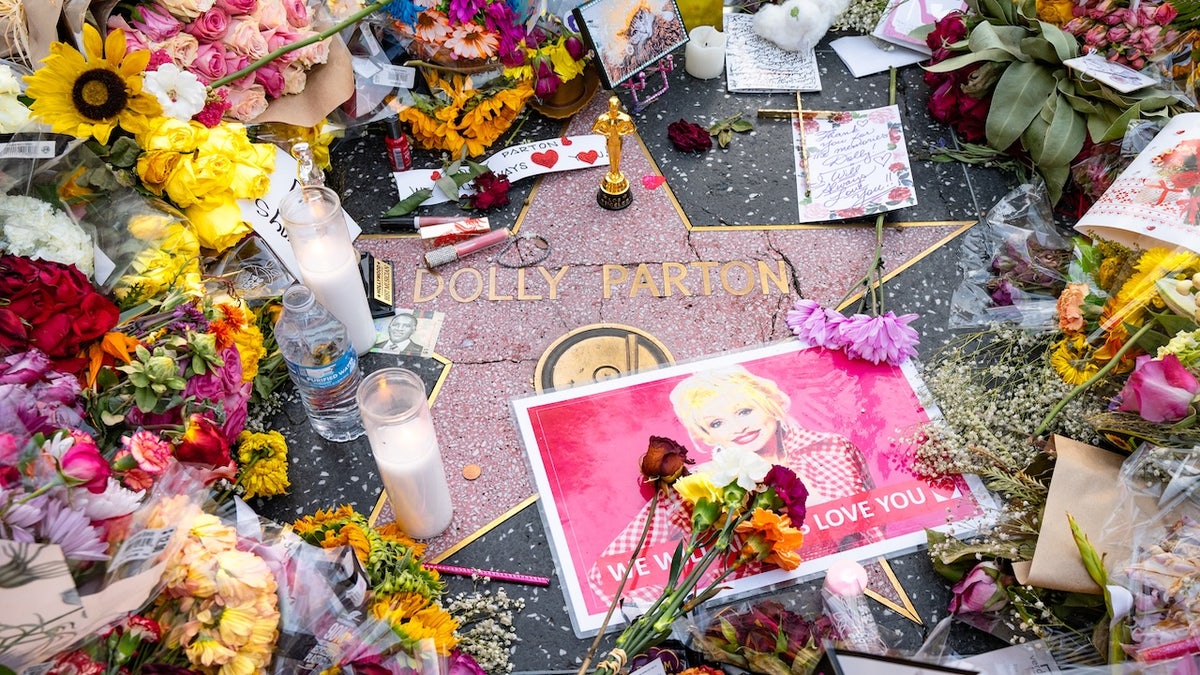
On a Tuesday in late August 2026, the announcement of Dolly Parton’s death sent shockwaves through the entertainment industry and beyond. In Nashville, fans gathered spontaneously at the Music City Walk of Fame, carpeting the area with flowers, handwritten notes, and butterflies—the singer’s lifelong symbol of transformation. In Chicago, a vibrant mural of Parton’s likeness became a makeshift shrine where mourners of all ages stood in silence.
The grief was not limited to physical landmarks. Digital spaces were flooded with tributes, but among the standard eulogies from world leaders and fellow artists were thousands of testimonies from ordinary people describing a "deep sadness" they could not shake. One fan, writing in an online support group, captured the sentiment of millions: "I never met Dolly, and I know she didn’t know me, but I loved her for most of my life. That love was real, and so this grief feels real too."
Understanding Parasocial Grief
To those who have never felt a deep connection to a celebrity, the intensity of this public mourning might seem disproportionate. However, clinical psychologists argue that these feelings are rooted in legitimate neurological and emotional processes. Dr. Dara Houp, a licensed clinical psychologist based in New York City, explains that this experience is known as parasocial grief.
Parasocial relationships are one-sided connections where one person extends emotional energy, interest, and time toward a persona, while the other party is unaware of their existence. While the term is often used to describe modern social media influencers, it applies profoundly to icons like Parton, who remained a constant presence in the public eye for over sixty years.
"When a celebrity shares their personal life—childhood experiences, hardships, and victories—our brains register these bits of information through the same emotional and neural pathways utilized for our real-life friendships," Dr. Houp explains. "A genuine attachment is developed. When that perceived relationship comes to an end, the brain processes the loss much like it would the death of a distant relative or a long-time mentor."
For many, Parton was more than a singer; she was a "ray of sunshine" in a world that often felt dark. Because she was so open about her humble beginnings in the Great Smoky Mountains and her subsequent struggles in the male-dominated music industry, her audience felt they had grown up alongside her. This perceived intimacy creates a "relational bond" that the brain treats as a significant data point in an individual’s social network.
The Weight of Collective Mourning
Beyond the individual experience of parasocial loss is the broader concept of collective grief. Desiree Taranto, a licensed mental health counselor and clinical director at Empower Your Mind Therapy, notes that Parton’s death is a communal event because her influence was multi-generational and multi-faceted.
"Parton’s music, movies, philanthropy, and public persona became part of many people’s family traditions, memories, and difficult life moments," Taranto says. Collective grief occurs when a loss resonates across an entire community or society, creating a shared emotional atmosphere. This is particularly potent with an icon like Parton, whose work—from the anthem "9 to 5" to her literacy program, the Imagination Library—touched people across political, geographic, and socioeconomic divides.
In various online communities, mourners have even coined the term "post-Parton depression" to describe the lingering malaise following her passing. This reflects a sense that a stabilizing force of "unconditional kindness" has been removed from the world.
A Living Connection to Personal History
One of the most profound reasons celebrity deaths hit so hard is their connection to our own personal timelines. Dr. Houp points out that the death of a long-standing icon can feel like losing a piece of one’s own history.
"When a celebrity’s life is connected to a personal milestone—such as a break-up, the birth of a child, or even a specific era of one’s childhood—their death permanently disrupts a living connection to who, what, or where you used to be," Houp says.
For a fan, a specific Dolly Parton song might be inextricably linked to a mother who has passed away, or a difficult period of unemployment where "9 to 5" provided a sense of solidarity. When the artist dies, that "living bridge" to the past is broken. The mourning is not just for the celebrity, but for the version of ourselves that existed when we first found comfort in their work.
Furthermore, Parton’s public image was built on authenticity and resilience. By witnessing her overcome poverty and professional skepticism to become a global powerhouse, fans drew strength for their own battles. Her death represents the end of that direct source of inspiration, leading many to feel, as one Reddit user put it, that "she was exactly who Jesus wanted us to be."
The Complexity of Private Battles
In the wake of her passing, it was revealed that Parton had been navigating a private battle with cancer. This revelation sparked a secondary conversation about the rights of public figures to medical privacy. Experts suggest that icons often keep such diagnoses secret to maintain their public role as a source of joy and strength, rather than being redefined by their illness.
For fans, learning of a private struggle after the fact can add a layer of "retrospective grief." It forces a re-evaluation of the artist’s final years, often increasing the public’s admiration for their fortitude but also deepening the sense of loss as fans realize the icon was suffering in silence while continuing to give to the world.
Navigating the Path to Healing
For those currently struggling with the loss of Dolly Parton, mental health experts emphasize the importance of self-compassion. Desiree Taranto offers several strategies for navigating this specific type of mourning:
- Accept and Validate Your Feelings: It is essential to recognize that mourning someone you never met is a valid emotional experience. "Do not judge yourself or feel embarrassed," Taranto advises. If an artist’s values or advocacy touched your life, the loss is significant.
- Engage in Commemorative Acts: Shared grief can be processed through action. Listening to her discography, watching her films, or journaling about what her life meant to you can provide an outlet for the sadness.
- Seek Community: Reaching out to others who are grieving helps mitigate the isolation of loss. Whether through online forums or local gatherings, talking about the "positive impact she made in the world" can help transition grief into a celebration of legacy.
- Channel the Legacy: Many fans find comfort in continuing the work the icon started. Supporting literacy programs or local charities in Parton’s name can create a sense of continuity.
The Enduring Light
Ultimately, the outpouring of grief for Dolly Parton is a reflection of the profound goodness she projected. She represented a rare blend of ambition and humility, authenticity and theatricality. As Dr. Houp concludes, "We identified with the goodness we saw in Dolly and felt encouraged by her ability to overcome hardship."
While the physical presence of the "Queen of Country" is gone, the neural and emotional pathways she helped build in millions of people remain. The collective mourning currently observed across the globe is the final tribute to a woman who managed to make the entire world feel like they were sitting on her front porch, listening to a story from a dear, trusted friend. In the end, the grief is real because the connection was real—a final testament to a life lived with extraordinary reach and resonance.
