
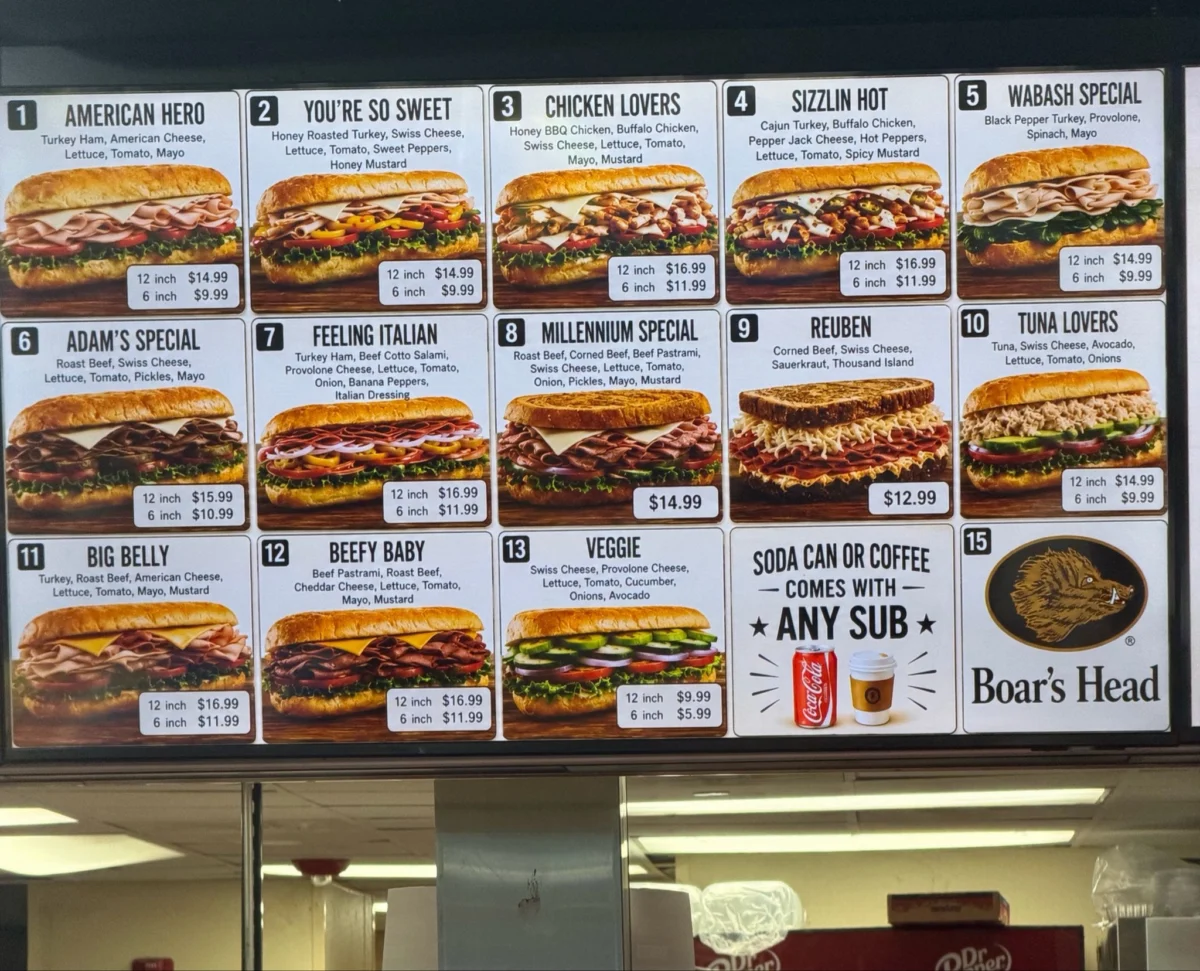
“AI-generated food imagery often bypasses the appetite and triggers deep-seated biological disgust, signaling a growing rift between cost-saving automation and the fundamental human need for authentic sensory experiences.”
As generative artificial intelligence permeates the visual landscape of 2026, a phenomenon known as "AI food slop" has emerged, transforming restaurant menus into sources of visceral discomfort for many consumers. While businesses adopt these synthetic images to reduce photography costs, the resulting visuals—often characterized by hyperrealistic yet anatomically impossible textures—are triggering primitive survival mechanisms in the human brain. This rejection of AI-generated marketing highlights a critical threshold in the "Uncanny Valley," where the pursuit of digital efficiency clashes with the biological foundations of hunger and trust.
The trend reached a boiling point in late August 2026, when Chris Murphy, a professional in Chicago, visited his local deli only to find the traditional menu boards replaced by high-definition, AI-generated images. The sandwiches on display featured strange, repeating patterns and textures that Murphy described as "aggressively fake." The experience was so jarring that it suppressed his appetite entirely. When Murphy shared the images with colleagues, the reaction was nearly universal: a physical recoil. This incident is not an isolated one; it represents a broader shift in the advertising world where "AI slop"—a term used to describe low-effort, mass-produced synthetic content—is increasingly filling public spaces, from transit stations to digital storefronts.
On social media platforms, the fascination with these "horror menus" has become a viral subculture. A single post on X (formerly Twitter) showcasing a particularly distorted restaurant sign garnered nearly 2 million views within days. The comments sections of such posts reveal a common theme of physical revulsion, with users reporting sensations of "bugs crawling" or a desire to "purge" upon seeing the images. This collective reaction suggests that while the internet is captivated by the strangeness of AI, the commercial impact is overwhelmingly negative, driving potential customers away from establishments that utilize the technology.
Psychologists suggest there is a profound neurological reason why humans cannot simply ignore these distorted images. Dr. Stephanie Sarkis, a mental health expert, explains that when an image appears almost real but contains subtle, "wrong" elements, the brain enters a state of cognitive dissonance. This is the "approach and avoidance" conflict. The brain is naturally drawn to resolve the mystery of the image, yet simultaneously repelled by its unnatural qualities. This tension creates a loop of anxiety, where the viewer feels compelled to look closer even as their internal alarm bells are ringing.
For a segment of the population, the reaction is even more acute. Trypophobia—an intense aversion to clusters of small holes or repetitive patterns—is frequently triggered by the way current AI models render textures. Because generative AI often creates "detail" by repeating noise patterns, it can inadvertently produce imagery that mimics organic decay, parasitic infestations, or diseased tissue. Dr. Sarkis notes that these visceral reactions are evolutionary adaptations designed to protect humans from contamination. When a Reuben sandwich appears to have the same texture as a petri dish of mold, the brain’s primary objective shifts from "eat" to "avoid at all costs."
The rise of AI food slop comes at a time of significant cultural skepticism regarding the role of Big Tech in daily life. Data from a August 2026 Pew Research Center survey indicates a shift in public sentiment; 55% of adults under 30 now express more concern than excitement about AI’s trajectory. This demographic, once the earliest adopters of new technology, is increasingly wary of how AI might displace human creativity and diminish the quality of consumer goods. Furthermore, a July 2026 YouGov poll found that 70% of Americans believe technology companies have amassed too much power. In this climate, an AI-generated menu isn’t just a poor design choice—it is often viewed as a symbol of corporate laziness and a lack of respect for the consumer.
The professional photography industry is also sounding the alarm. Emily Hawkes, a New York-based food photographer, argues that the "innateness" of real food is something AI has yet to master. Hawkes, who works with digital creatives to document the evolution of food media, believes that appetite appeal is rooted in truth. "When people see something that makes them actually hungry, it’s because they’re seeing something real—something they can imagine themselves eating," Hawkes explains. The fundamental flaw of AI in this sector is that the models do not "understand" what a sandwich is; they only understand the statistical probability of where pixels should be placed based on a prompt. This results in images that lack the subtle cues of temperature, moisture, and gravity that the human eye uses to determine if food is fresh and safe.
The economic argument for AI menus—that they are cheaper than hiring a professional—is increasingly being viewed as a "slippery slope" that could lead to long-term brand damage. For a small business like the Chicago deli, the cost of a photo shoot might seem high, but the cost of a lost customer is higher. Hawkes suggests that if a professional photographer is out of reach, businesses are better off using authentic, albeit less polished, smartphone photography. A real photo of a sandwich made in the shop conveys a message of transparency and quality that a $0.02 AI generation cannot replicate.
The psychological fallout of these images has also led to new advice for digital wellness. For individuals who find themselves distressed by the ubiquity of AI slop, experts recommend grounding exercises. Techniques such as identifying three things you can hear, see, and touch can help reset the nervous system after a trypophobic or "uncanny valley" trigger. As these images become more unavoidable in the public square, mental health professionals are beginning to treat "digital sensory overload" as a legitimate concern for urban residents.
Ultimately, the backlash against AI food slop serves as a reminder that some human experiences remain resistant to total automation. Food is a primary biological necessity and a deeply personal cultural artifact; the attempt to synthesize its visual representation without human oversight has, so far, resulted in a "horror slop" that alienates the very people it is meant to attract. As Chris Murphy noted after his experience at the deli, the lack of a real menu board destroyed his trust in the establishment’s kitchen. If a restaurant is willing to serve "fake" images, consumers are left to wonder if the ingredients themselves have been subjected to the same cost-cutting, algorithmic logic.
In the coming years, the marketplace will likely see a "return to realism" as brands realize that the human touch is not just a luxury, but a requirement for building consumer confidence. While AI will undoubtedly continue to evolve, the current era of "slop" highlights a fundamental truth: you cannot automate the human appetite. For the sake of both public health and business longevity, the industry may need to step back from the digital abyss and refocus on the tangible, messy, and authentically delicious reality of real food.
