
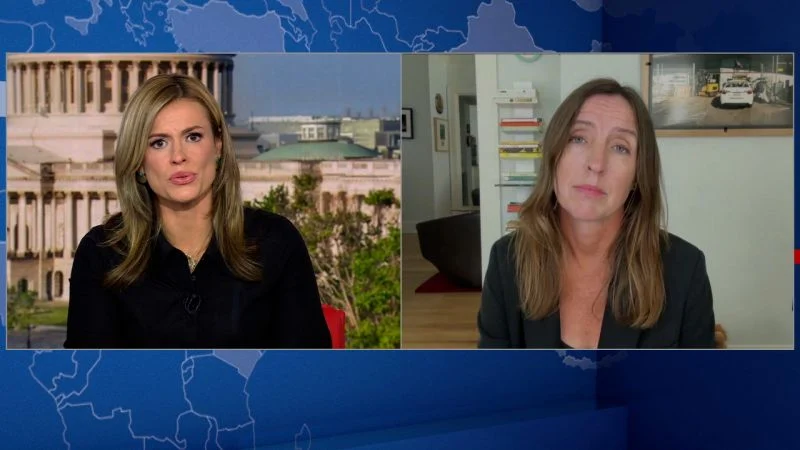
“Postpartum psychosis is a rare but devastating mood disorder that can distort reality in mere minutes, yet the modern medical system often fails to identify these warning signs before they escalate into irreversible tragedy.”
The recent mistrial of Lindsay Clancy has reignited a national conversation regarding the severity of maternal mental health disorders and the adequacy of the legal system in addressing them. Clancy, a 36-year-old former labor and delivery nurse from Massachusetts, stood accused of the 2023 strangulation of her three children—a case that has become a touchstone for the complexities of postpartum psychosis. While prosecutors argued that Clancy possessed the capacity to understand the wrongfulness of her actions, her defense maintained that she was a victim of a rare, biological break from reality. This case serves as a harrowing case study in the gap between clinical psychiatry and the rigid definitions of criminal responsibility.
The Legal Deadlock and the Mistrial
On a Friday in late August, a Massachusetts judge was forced to declare a mistrial after the jury found themselves hopelessly deadlocked. The central question of the trial was not whether Clancy had committed the acts—the defense admitted she strangled her children before attempting suicide by slashing her own throat and jumping from a second-story window—but whether she was "criminally responsible."
Under the law, the prosecution must prove beyond a reasonable doubt that a defendant had the substantial capacity to appreciate the wrongfulness of their conduct and the ability to conform that conduct to the requirements of the law. Prosecutors pointed to Clancy’s professional background as a nurse and her behavior leading up to the event as evidence of lucidity. Conversely, the defense presented a portrait of a woman spiraling into the depths of postpartum psychosis, a condition so severe it renders the sufferer disconnected from the shared reality of society.
Understanding Postpartum Psychosis: A Medical Emergency
Postpartum psychosis (PPP) is often misunderstood by the public and, occasionally, by the legal system. It is one of the rarest and most severe mental health disorders associated with childbirth, affecting approximately one to two out of every 1,000 women. Unlike the more common "baby blues" or postpartum depression, PPP is considered a psychiatric emergency.

Studies indicate that untreated postpartum psychosis carries a 4% risk of infanticide and a 5% risk of suicide. The symptoms typically emerge within the first two weeks to a month after delivery, though they can manifest up to a year later. For 90% of sufferers, the onset is rapid, occurring within the first four weeks. Symptoms include extreme irritability, mood swings, hallucinations, and delusions—fixed false beliefs that often center on the infant.
Dr. Lauren M. Osborne, vice chair of clinical research at Weill Cornell Medicine, emphasizes that the name "postpartum psychosis" can be misleading. "It’s actually a mood disorder in which mood symptoms accompany psychotic symptoms," she explains. This distinction is vital because it explains the "waxing and waning" nature of the condition. A woman may appear perfectly functional and articulate one moment, only to be entirely consumed by a delusional belief the next. This intermittency makes the condition notoriously difficult for family members and even healthcare providers to catch.
The Spectrum of Maternal Mental Health
While the Clancy case represents the most extreme end of the spectrum, maternal mental health issues are the most common complication of pregnancy in the United States. Nearly 1 in 5 women will experience a mental health disorder during pregnancy or in the year following birth. These conditions are the leading cause of pregnancy-related deaths in the U.S., yet they remain chronically overlooked and undertreated.
- The Baby Blues: Affecting up to 80% of new parents, this is a temporary condition characterized by sadness, frustration, and exhaustion. It generally resolves within two weeks without medical intervention.
- Postpartum Depression (PPD): Affecting 1 in 7 women, PPD involves persistent feelings of sadness, anxiety, and detachment. Unlike the baby blues, PPD does not resolve on its own and requires treatment, which may include therapy or medications like the recently FDA-approved oral treatment Zurzuvae.
- Postpartum Anxiety: Affecting 1 in 5 women, this involves overwhelming worry, racing heartbeats, and sometimes obsessive-compulsive behaviors centered on the baby’s safety.
- Postpartum Psychosis: The rarest tier, marked by a total break from reality, delusions, and a high risk of harm to self or others.
Biological Triggers and Genetic Vulnerabilities
Psychiatrists like Dr. Nicole Leistikow of the Johns Hopkins Reproductive Mental Health Center note that postpartum psychosis is often rooted in biological and genetic factors rather than external stressors alone. Women with a personal or family history of bipolar disorder are at a significantly higher risk.
One of the most potent triggers for a psychotic episode is acute sleep deprivation. In the postpartum period, where sleep is naturally fragmented, the brain’s inability to reach restorative sleep cycles can trigger mania and subsequent psychosis. This is why experts emphasize "proactive planning" for sleep. Having a support network to handle night feedings can be the difference between a manageable recovery and a psychiatric break.
Systemic Failures in Screening and Care
A recurring theme in the expert testimony surrounding the Clancy case is the inadequacy of current screening protocols. The American College of Obstetricians and Gynecologists recommends screening for depression and anxiety at least twice during pregnancy and once after birth. However, Dr. Osborne points out a logistical flaw: the standard six-week postpartum checkup often misses the highest-risk period, which occurs between six and eight weeks after delivery.

"We are just missing a lot of people, even if we do screen appropriately," Osborne warns. Furthermore, even when a diagnosis is made, the U.S. lacks the infrastructure to treat mothers humanely. In many European countries, "mother-baby units" allow women to receive psychiatric hospitalization without being separated from their infants. In the U.S., such units are exceedingly rare. The fear of being separated from their child often prevents women from reporting symptoms of intrusive thoughts or delusions, creating a "silence of survival" that can lead to tragedy.
The Path to Recovery and Prevention
Recovery from postpartum psychosis is possible but intensive. It often requires hospitalization, where patients are treated with second-generation antipsychotics like olanzapine or risperidone, often paired with mood stabilizers such as lithium. Acute symptoms may subside within weeks, but a full recovery of the person’s identity and emotional regulation can take six to twelve months or longer.
The Lindsay Clancy trial has forced a public reckoning with how we define "intent" in the face of biological collapse. For Meghan Cliffel, a maternal health advocate and survivor of postpartum psychosis, the Clancy case is a mirror of what could have happened to her. Cliffel has spoken publicly about how delusions convinced her that a cult was coming for her children—a belief that felt as real to her as the floor beneath her feet.
As the legal system prepares for a potential retrial, the medical community continues to advocate for better education. Families are encouraged to learn the warning signs: an inability to sleep even when the baby is sleeping, rapid speech, paranoia, and "subtle" delusions that may not look like the stereotypical "madness" seen in films. By treating maternal mental health as a core component of obstetric care rather than a secondary concern, experts hope to prevent future cases from reaching the courtroom.
Editor’s note: If you or someone you know is struggling with suicidal thoughts or mental health matters, help is available. In the US, call or text 988 for the Suicide & Crisis Lifeline. International support is available through the International Association for Suicide Prevention and Befrienders Worldwide.
