
"We’re going to make sure we provide for the community." This simple yet profound mission drives the Fred Hampton Free Store, a transformative space breathing life into a neglected corner of New Orleans, offering a vital network of support that stands in stark contrast to shifting national policies.
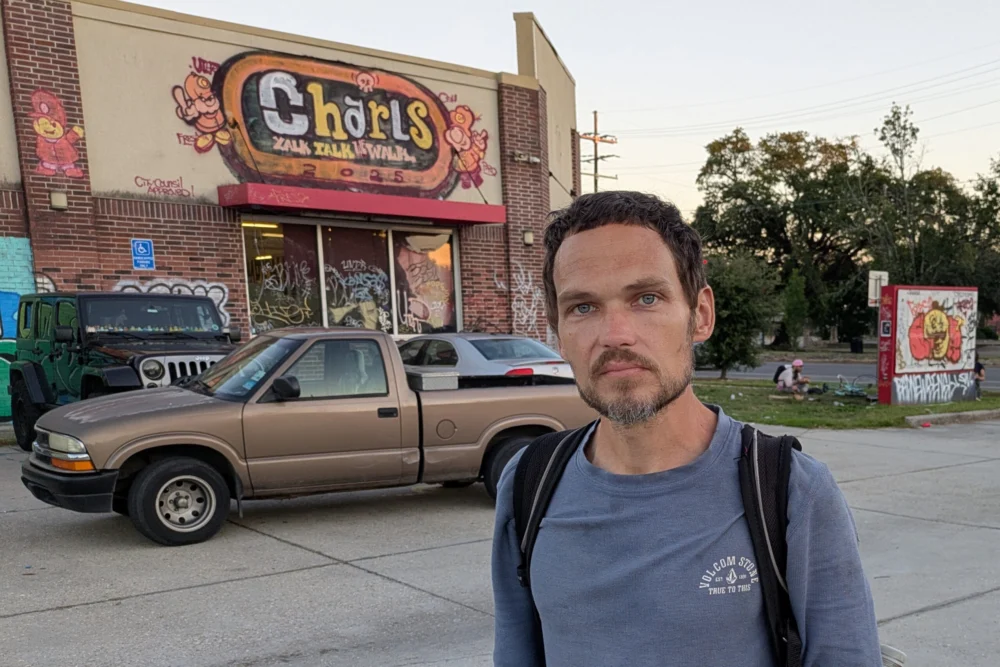
The exterior of the abandoned Family Dollar store in the Lower 9th Ward of New Orleans tells a story of hardship and neglect. Graffiti mars its walls, and the surrounding parking lot is littered with debris, mirroring the visible scars left by Hurricane Katrina and the persistent economic challenges faced by one of the city’s poorest neighborhoods. Yet, beyond this imposing facade lies a vibrant sanctuary, a testament to the power of community-driven initiative. Inside, the space is transformed into a welcoming hub, illuminated by twinkling string lights and stocked with a diverse array of donated goods. Racks overflow with clothing, shelves are laden with children’s books, essential allergy medications, and toiletries. A partitioned area features a stage for musical performances and a nostalgic neon sign advertising weekly free roller skate nights, underscoring the multifaceted nature of this unique establishment.
This unconventional space, described by its founder Dan Bingler as a "radical community center," operates as a free thrift store, an over-the-counter pharmacy, and a venue for punk rock shows. Bingler, a local waiter and bartender, established the Greater New Orleans Caring Collective, a mutual-aid organization, to bring this vision to life. The building owners generously permit Bingler to use the space, provided he covers the essential utilities and waste management costs.
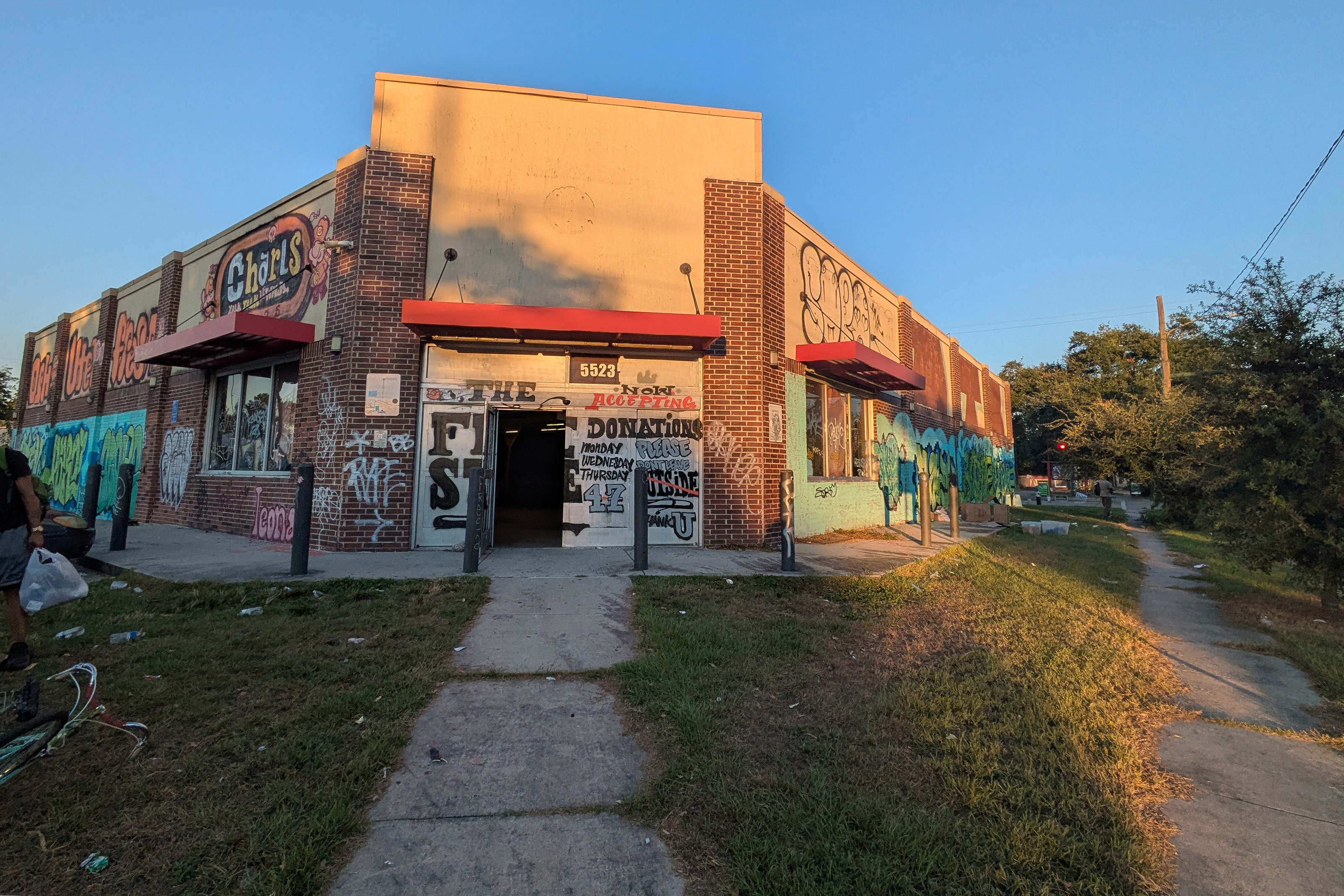
The impact of the Fred Hampton Free Store extends far beyond its material provisions. On Monday evenings, it becomes a nexus for various community organizations, many of whom previously operated from the very parking lot now occupied by the store. These collaborations offer critical services, including free testing for sexually transmitted infections, basic medical consultations, nutritious hot meals, and the distribution of sterile syringes and harm reduction supplies for individuals who use drugs. This concerted effort aims to address a spectrum of immediate needs, fostering a holistic approach to community well-being.
Bingler’s guiding principle is straightforward: "We’re going to make sure we provide for the community." This ethos of mutual support has become increasingly vital in recent months, particularly in light of shifts in federal policy under the Trump administration. Reductions in funding for social service organizations and a more punitive approach to homelessness and drug use have created significant challenges. National initiatives, such as the clearing of encampments in Washington, D.C., and calls for mandatory treatment for individuals with substance use disorders, stand in stark contrast to the principles of harm reduction. Public health experts advocate for harm reduction strategies as crucial for ensuring the safety and survival of drug users, while critics often frame them as enabling.
The Fred Hampton Free Store, named in honor of the influential Black Panther activist Fred Hampton, who championed cross-group collaboration for social reform, emerges as a beacon of refuge amidst this evolving landscape. It deliberately operates without federal funding, state or local grants, or foundation support. Instead, its sustenance relies entirely on the generosity of neighbors and local organizations. Bingler shared an anecdote about a local hotel undergoing renovations that donated 50 flat-screen televisions, illustrating the unexpected yet impactful contributions that sustain the center. On average, over 100 individuals visit the store on nights it is open, highlighting the significant demand for its services.
During a crisp fall evening, the store buzzed with activity. Dozens of residents browsed the free clothing and medications, while others congregated outside, enjoying conversation and keeping a watchful eye on their belongings. James Beshears, who receives sterile supplies from the harm reduction group operating in the parking lot, articulated the profound importance of such resources. Having struggled with addiction for years and relapsed after encountering prohibitively expensive treatment options, Beshears finds solace and a measure of stability at the free store. He expressed a strong desire to recover but emphasized that affordable and accessible care remains a significant barrier. For him, and many others like him, the Fred Hampton Free Store is not just a place for material aid; it is a lifeline that prevents them from succumbing to despair.

Aquil Bey, a paramedic and former Green Beret, is another integral figure in the ecosystem surrounding the free store. His organization, Freestanding Communities, a volunteer-run initiative, provides essential medical care and referrals to vulnerable populations, including those experiencing homelessness and substance use disorders. Bey’s presence at the store is a regular fixture, and his proactive approach to addressing immediate needs is evident. On one occasion, a man with stage 4 kidney disease, struggling to access his scheduled treatments, approached Bey. Bey, in turn, mobilized his team to explore transportation solutions and connect the individual with reduced-cost transit programs. Beyond this, his team routinely conducts blood pressure and blood sugar checks, treats infected wounds, and facilitates appointment scheduling for patients without reliable phone access.
Bey’s commitment to dismantling barriers to care is further exemplified by his response to a man with a leg injury who was sleeping on the concrete floor of an abandoned naval base. Noticing a mattress in the store’s furniture section, Bey and a volunteer arranged for its delivery to the man’s makeshift shelter. "We’re just trying to find all these barriers that people face and find ways to fix them," Bey explained, underscoring his dedication to practical, on-the-ground problem-solving.
The impact of the Fred Hampton Free Store on individual lives is deeply personal. Stephen Wiltz, a lifelong resident of the Lower 9th Ward who began using drugs at the age of 10, found a pathway to recovery through the clinic at the free store. Having faced discrimination and judgment from healthcare providers who attributed his addiction solely to personal failing, Wiltz was initially hesitant to seek treatment. However, the sustained trust and care he received from the free store’s volunteers ultimately empowered him to seek the help he needed. At 56, Wiltz reported being in sustained recovery for the first time in his life, a testament to the profound impact of a community that "cared for people who didn’t have nobody to care for them."
As dusk settled on a fall evening, the store’s dual identity was palpable. While Bey continued his medical consultations, a punk band began setting up their instruments for a performance. The juxtaposition of medical care and a vibrant, often counter-cultural, music scene highlights the inclusive and multifaceted nature of the Fred Hampton Free Store. The blare of rapid drums and loud power chords, a sound Bey has grown accustomed to, signifies the dynamic and unconventional environment that fosters healing, connection, and resilience. The rental fees from these concerts, typically ranging from $100 to $200 per night, contribute to covering the operational costs of the space, further underscoring the self-sustaining model of this vital community hub. These all-ages events further solidify the store’s role as a gathering place, offering a sense of belonging and cultural expression.
