
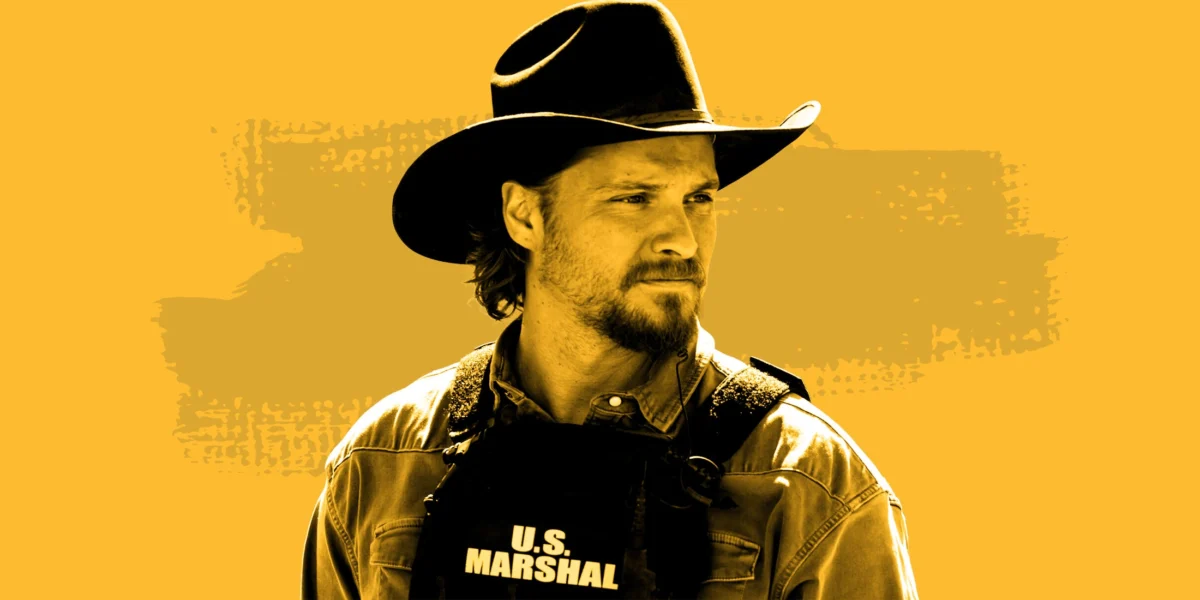
"As the ‘Yellowstone’ universe expands beyond the borders of the ranch, ‘Marshals’ marks a pivotal shift for the franchise, transitioning Kayce Dutton from a reluctant heir into a frontline lawman within a high-stakes procedural framework."
The conclusion of Taylor Sheridan’s seminal neo-Western, Yellowstone, did not mark the end of the Dutton family saga, but rather its fragmentation into a broader, more complex tapestry of narratives. Marshals, the direct sequel series set one year after the explosive events of the Yellowstone finale, represents a significant evolution in the franchise’s storytelling. By centering the narrative on Kayce Dutton—the youngest and perhaps most volatile son of the late John Dutton—the series moves away from the internal politics of land ownership and into the external world of federal law enforcement, blending the grit of the American West with the tactical intensity of a modern crime drama.
A New Chapter for Kayce Dutton
For five seasons of Yellowstone, Kayce Dutton, portrayed by Luke Grimes, was defined by his duality. He was a man caught between worlds: the brutal legacy of his father’s ranch, his identity as a decorated Navy SEAL, and his commitment to his family on the Broken Rock Reservation. Following the "unceremonious exit" of Kevin Costner’s John Dutton in the final season of the original series, the power vacuum left the remaining Duttons to find new paths. In Marshals, Kayce finally leans into the skillset that defined his pre-ranch life.
The series finds Kayce a year removed from the chaos of the Dutton Ranch. No longer tethered to the constant defense of his father’s borders, he is recruited into a team of deputy U.S. Marshals. This transition allows the character to fully inhabit the role of a classic Western hero—a modern-day Clint Eastwood figure who operates with a silent but lethal efficiency. The catalyst for this change is the arrival of Kayce’s former SEAL team leader, played by Logan Marshall-Green, who brings Kayce into the fold to handle high-risk fugitives and domestic threats that standard law enforcement cannot contain.
The Creative Shift: From Sheridan to Hudnut
One of the most notable changes in Marshals occurs behind the scenes. While Taylor Sheridan remains a foundational producer, the creative reins of the series have been handed to showrunner and writer Spencer Hudnut. Hudnut is widely recognized for his work on the long-running CBS series SEAL Team, a background that heavily informs the tone of Marshals.

Under Hudnut’s direction, the show adopts a more procedural and tactical feel compared to the operatic, often melodramatic sprawl of Yellowstone. The focus on Kayce’s military background is not merely a character trait but the engine of the plot. This shift provides a fresh entry point for viewers who may have grown weary of the ranch-based power struggles, offering instead a "case-of-the-week" structure that is grounded by a season-long overarching narrative regarding the stability of the region.
The Missing Pieces: A Different Kind of Drama
While Marshals promises the return of several familiar faces, it is defined as much by who is absent as who is present. Most notably, Kayce’s wife, Monica (Kelsey Asbille), is missing from the initial narrative. In Yellowstone, Monica served as Kayce’s moral compass and his strongest link to the indigenous community. Her absence in Marshals introduces a layer of mystery and potential tragedy. Whether the couple has separated or a more dire event occurred during the off-screen year remains a central question that the series explores through Kayce’s increasingly stoic and isolated demeanor.
Simultaneously, the franchise is expanding laterally. While Kayce navigates the world of federal law enforcement, his sister Beth (Kelly Reilly) and brother-in-law Rip (Cole Hauser) are set to headline their own upcoming series, Dutton Ranch. This compartmentalization of the cast allows each show to hone in on specific sub-genres—Marshals as a crime procedural and Dutton Ranch as a continuing family saga—thereby preventing the "franchise fatigue" that often plagues long-running universes.
The Debut Season: Plot and Stakes
The first season of Marshals consists of 13 episodes, designed to establish Kayce’s new status quo while paying homage to the themes of the original series. The premiere episode, "Piya Wiconi," immediately sets the stakes when Kayce reunites with his old military unit to hunt down a bomber targeting the Broken Rock Reservation. This plotline serves as a bridge between Kayce’s past and his new professional duties, highlighting the ongoing tensions between federal authority and tribal sovereignty.
The trail of the bomber leads Kayce and his team into a dangerous confrontation with an armed anti-government militia, a recurring theme in Sheridan-adjacent works that explores the radicalization of the modern American West. This narrative choice reinforces the show’s "Neo-Western" credentials, focusing on the friction between those who wish to live outside the law and those tasked with enforcing it in the vast, unmonitored stretches of the wilderness.
Broadcasting and Accessibility
In a strategic move to maximize viewership, Marshals utilizes a hybrid broadcasting model. The series airs on CBS, bringing the Dutton legacy back to traditional network television, while simultaneously streaming on Paramount+. This dual-platform approach ensures that the show reaches both the traditional "appointment TV" demographic and the modern streaming audience that propelled Yellowstone to its status as a cultural phenomenon.

As the first season nears its conclusion, the tension has reached a breaking point. Episode 11, "On Thin Ice," left audiences on a cliffhanger, setting the stage for a two-part finale that promises to redefine Kayce’s role within the U.S. Marshals service.
The Road to the Finale
The final two episodes of Season 1 are poised to deliver the high-octane action and emotional weight fans have come to expect. Episode 12, titled "The Devil at Home," and the season finale, "Wolves at the Door," are expected to resolve the primary conflict involving the militia while potentially revealing the truth behind Monica’s absence.
Season 1 Release Schedule Recap:
- Episode 1, "Piya Wiconi": Premiered March 2
- Episode 2, "Zone of Death": Premiered March 9
- Episode 3, "Road to Nowhere": Premiered March 16
- Episode 4, "The Gathering Storm": Premiered March 23
- Episode 5, "Lost Girls": Premiered March 30
- Episode 6, "Out of the Shadows": Premiered April 6
- Episode 7, "Family Business": Premiered April 13
- Episode 8, "Blowback": Premiered April 20
- Episode 9, "In Low Places": Premiered April 27
- Episode 10, "Playing With Fire": Premiered May 4
- Episode 11, "On Thin Ice": Premiered May 11
- Episode 12, "The Devil at Home": Airing May 17 (CBS/Paramount+ Premium); May 18 (All Paramount+ tiers)
- Episode 13, "Wolves at the Door": Airing May 24 (CBS/Paramount+ Premium); May 25 (All Paramount+ tiers)
Conclusion: The Future of the Frontier
Marshals is more than just a continuation; it is a test of the Yellowstone brand’s durability without its central patriarch. By leaning into the strengths of Luke Grimes and the tactical expertise of Spencer Hudnut, the series has carved out its own identity. It successfully transitions the franchise from a singular focus on the survival of a ranch to a broader examination of justice, duty, and the enduring scars of the American frontier. As the first season concludes, the foundation is laid for a new era of the Dutton dynasty—one where the law, rather than the land, takes center stage.
