
"Effective hair loss management requires a multi-pronged strategy targeting both the hormonal drivers of thinning and the foundational health of the scalp environment."

Male pattern hair loss, while biologically common, remains one of the most significant aesthetic and psychological concerns for men globally. Understanding the transition from thinning to regrowth requires a nuanced look at the clinical ingredients, delivery systems, and supportive therapies that define the modern grooming landscape. By combining FDA-approved pharmaceuticals with innovative botanical serums and light-based technologies, men can now tailor a regimen that addresses hair loss at the cellular level while maintaining the visual integrity of their existing hair.
The Biological Foundation of Male Hair Loss
Before evaluating the efficacy of specific treatments, it is essential to understand the primary culprit behind thinning: Androgenetic Alopecia, or Male Pattern Hair Loss (MPHL). According to clinical experts, including Dr. Kash, MPHL is driven largely by genetics and the influence of hormones—specifically dihydrotestosterone (DHT). DHT is a byproduct of testosterone that binds to receptors in the scalp, causing hair follicles to miniaturize. Over time, the life cycle of the hair shortens, the strands become finer, and eventually, the follicle may stop producing hair altogether.

While MPHL typically manifests in predictable patterns—thinning at the temples, the crown, or a receding hairline—other forms of hair loss can complicate the diagnostic picture. Telogen effluvium, for instance, is a temporary shedding triggered by acute stress, surgery, or nutritional deficiencies such as Vitamin D or iron. Alopecia areata, as noted by dermatologist Dr. Barry Goldman, is an autoimmune condition where the body attacks its own follicles, resulting in distinct, circular patches of loss. Identifying the specific type of loss is the first step in selecting a treatment that actually works.
The Clinical Gold Standard: Minoxidil
For decades, Minoxidil has remained the cornerstone of over-the-counter hair regrowth. As an FDA-approved vasodilator, it is clinically proven to stop shedding and stimulate follicles to enter the anagen (growth) phase.

Rogaine 5% Minoxidil Foam
Rogaine remains the industry benchmark for Minoxidil delivery. Dermatologists overwhelmingly recommend the 5 percent concentration for men, particularly in a foam format. Dr. Kash notes that foam is superior to liquid solutions because it is easier to control, less likely to drip onto the face, and—crucially—lacks propylene glycol. Propylene glycol is a common irritant in liquid formulas that can cause redness and allergic reactions in many users.
In clinical testing, results often appear within two to three months, with visible regrowth typically starting at the temples and vertex. However, Minoxidil is a lifelong commitment. Discontinuing use often results in a return to the original state of thinning within weeks, as the follicles lose the chemical stimulation provided by the drug.

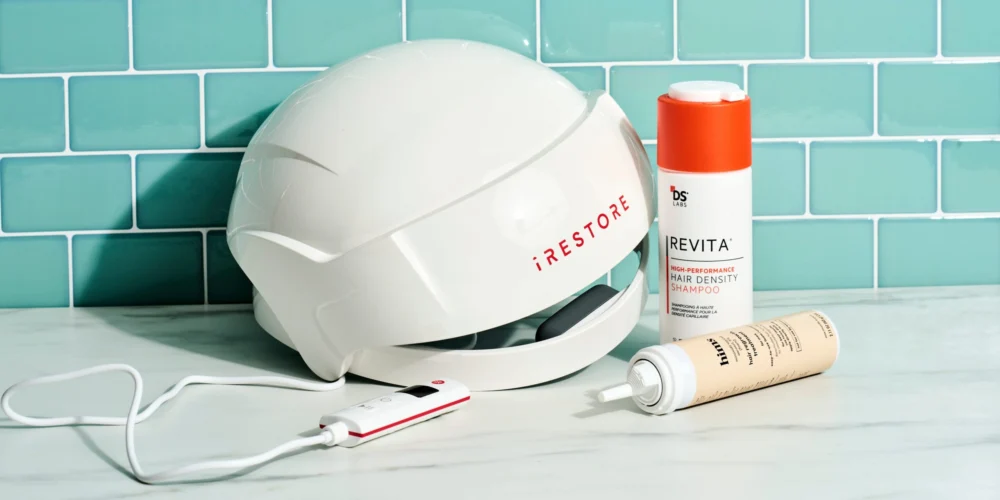
Hims Topical Minoxidil
A modern alternative to traditional brands, Hims offers a similar 5 percent Minoxidil foam. While the core ingredient is identical to Rogaine, the Hims ecosystem provides a different value proposition: telehealth integration. Users who subscribe through the brand’s platform gain access to virtual check-ins with staff dermatologists. This support can be vital for men navigating the "initial shed"—a period of increased hair loss that occurs when the drug begins to cycle out old hairs to make room for new growth. It is worth noting, however, that some users with sensitive skin may find the Hims formula slightly more drying than Rogaine, which contains additional emollients like glycerin to soothe the scalp.
Innovative Topicals and Multi-Action Sprays
While Minoxidil addresses blood flow and growth cycles, other products focus on blocking DHT and improving the immediate appearance of the hair.

Patricks RD1 Hair Loss Spray
The RD1 spray represents a new category of "two-in-one" products. It utilizes ingredients like Capixyl and Acetyl Tetrapeptide-3 to block DHT at the scalp level, alongside caffeine and biotin to stimulate the follicles. Unlike medicinal foams, RD1 doubles as a styling product, adding instant volume and texture to the hair. This makes it an ideal choice for men in the early stages of thinning who want to treat the problem without sacrificing their daily aesthetic. While it lacks the FDA-approved weight of Minoxidil, its inclusion of saw palmetto offers a natural alternative for those hesitant to start pharmaceutical drugs.
Act + Acre Cold Pressed Apple Stem Cell Serum
Scalp health is the latest frontier in hair preservation. The Act + Acre serum focuses on the longevity of the hair follicle using apple stem cells. Studies suggest these cells can help extend the growth phase of hair, acting as a preventative measure against future thinning. Enriched with bamboo extract and aloe vera, this serum is designed to balance the scalp’s microbiome and reduce inflammation. It is a "maintenance" product—unlikely to regrow hair on a bald spot, but highly effective at keeping existing hair healthy and reducing daily shedding.

The Role of Specialized Cleansing and Exfoliation
A common mistake in hair loss management is neglecting the scalp’s surface. Buildup from sebum, sweat, and styling products can create a barrier that prevents topical treatments from reaching the follicle.
Nutrafol Build-Up Blocker Scalp Mask
Dr. Bailey emphasizes that addressing internal factors like stress and inflammation must be paired with external scalp hygiene. The Nutrafol Scalp Mask uses AHA fruit acids and jojoba esters to chemically and physically exfoliate the scalp. By removing dead skin and excess oil, it "clears the path" for Minoxidil or other serums to penetrate more deeply. Furthermore, the cooling sensation helps alleviate the dryness and itchiness often associated with intensive hair growth regimens.

DS Laboratories Revita Hair Density Shampoo
Traditional shampoos can often be harsh, stripping the hair of essential oils. Revita, however, is formulated specifically for those predisposed to thinning. It contains a sophisticated blend of DHT blockers, including caffeine and biotin, alongside wheat proteins for immediate thickening. While a shampoo alone is rarely enough to stop aggressive hair loss, it serves as a critical supportive therapy that keeps the hair hydrated and strong.
Advanced Technology: Low-Level Laser Therapy (LLLT)
For men looking for a drug-free intervention or a supplement to their topical routine, light therapy has emerged as a scientifically backed option.

iRestore Essential Laser Therapy System
The iRestore helmet utilizes a hybrid system of laser diodes and LEDs to deliver red light therapy to the scalp. This process, known as photobiomodulation, is designed to stimulate cellular activity and increase blood flow to the follicles. Dr. Kash recommends helmet-style devices over handheld combs because they provide consistent, hands-free coverage.
The primary advantage of LLLT is the lack of side effects. There are no chemicals to apply and no hormonal changes to manage. While the sessions (typically 25 minutes every other day) require a time commitment, the long-term cost is lower than a lifetime of recurring topical purchases. When used in conjunction with Minoxidil, laser therapy can significantly enhance overall hair density.

Strategic Application and the Importance of Patience
Success in treating hair loss is as much about technique as it is about the product. Experts suggest that men with fine hair should apply topicals at night to avoid a greasy appearance during the day. Conversely, those with textured hair should focus on massaging products deeply into the scalp, as the hair’s natural structure can sometimes trap the product on the shaft before it reaches the skin.
Regardless of the chosen treatment, the most critical factor is time. The hair growth cycle is slow. Most men will experience a temporary "shedding phase" for up to six weeks as the follicles reset. Significant visible changes typically require at least three to six months of consistent use.

Conclusion
The landscape of male hair loss has shifted from desperate "miracle cures" to a sophisticated, data-driven industry. Whether through the pharmaceutical power of Minoxidil, the botanical innovation of stem cell serums, or the technological precision of laser therapy, the ability to retain and regrow hair is more accessible than ever. By prioritizing scalp health and committing to a consistent regimen, men can effectively manage the biological challenges of thinning and maintain their hair for years to come.
