
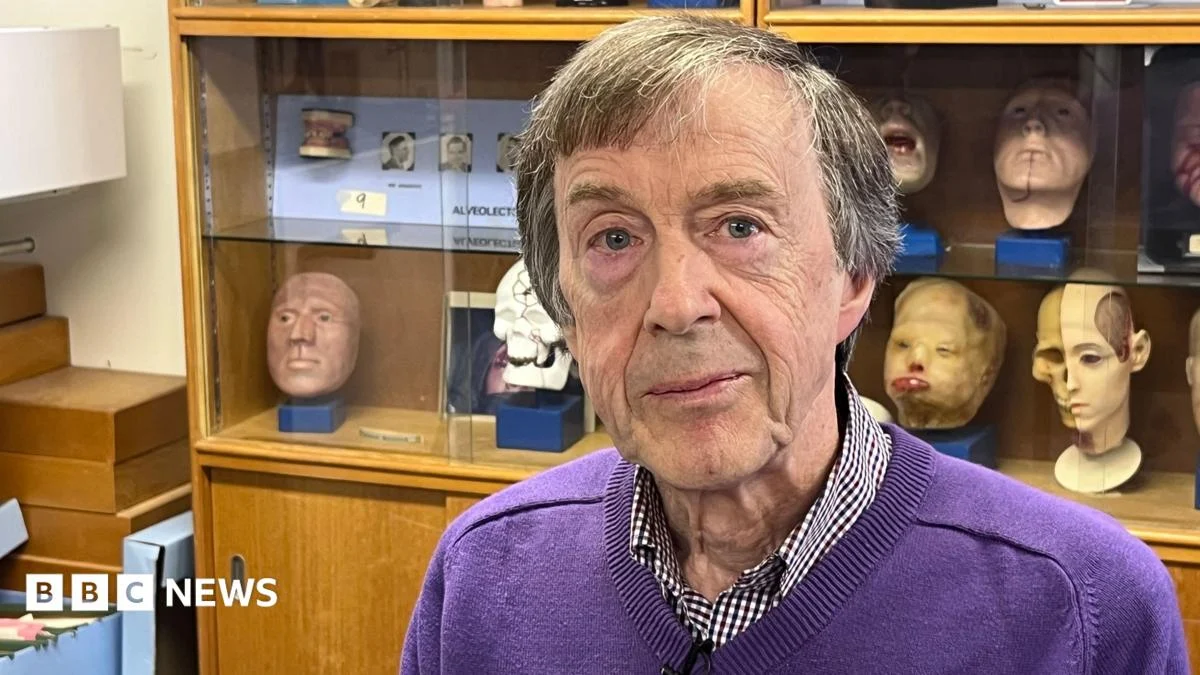
"Prosthetics transcend mere physical restoration, offering individuals a crucial pathway to reclaiming their identity, social confidence, and the profound will to re-engage with life after facing disfiguring conditions."
For many, the concept of a prosthesis immediately conjures images of artificial limbs, designed primarily to restore function after an amputation. However, the true scope and impact of prosthetic medicine extend far beyond mere mechanical replacement, delving deeply into the realm of human psychology, social integration, and the profound restoration of self-worth. While functional prostheses undeniably transform lives by enabling mobility and dexterity, a significant and often underestimated facet of this field focuses on facial and digital prosthetics, which, though sometimes less overtly "functional," play an indispensable role in rebuilding a patient’s identity and their capacity to face the world with confidence.
The journey through illness, especially cancers of the head and neck, frequently culminates in life-altering surgical interventions. While these procedures are critical for saving lives, they can leave patients with profound physical alterations, such as the complete removal of a nose or an eye. These changes are not merely superficial; they strike at the very core of a person’s self-perception and how they interact with their environment. The individual often grapples with a disfigured appearance that can lead to immense emotional distress, social withdrawal, and a deep sense of loss.
The Unseen Burden of Disfigurement
The psychological impact of disfigurement, particularly concerning the face, is often as debilitating as the underlying medical condition itself. The face is central to identity, communication, and social interaction. It is the primary means by which individuals express emotion, are recognized by others, and present themselves to the world. When this crucial aspect of self is altered, the consequences can be devastating. As one expert, Bigmore, has observed, an increasing number of patients are seeking prosthetic assistance following head and neck cancer treatments, often after having a whole nose or an eye removed. These patients frequently articulate a profound fear and aversion to their own reflection. "They are literally afraid to look in the mirror anymore," Bigmore notes, highlighting the shock and alienation they feel when confronted with an image that is starkly different from their former self.
This sentiment of "seeing something different than was there before" extends far beyond simple aesthetic preference. It represents a fundamental challenge to their sense of self and continuity. The individual is not only contending with the immediate aftermath of a life-threatening illness, including the demanding prognosis and the long-term outlook of their cancer, but also simultaneously processing a radically altered physical reality. This dual burden can be overwhelming, leading to a deep sense of grief for the person they once were. Relationships, both personal and professional, can shift under the weight of these changes, sometimes leading to misunderstandings, discomfort, or even avoidance, further isolating the patient.
In the face of such profound transformations, patients often express an intense desire to withdraw from public life. "They don’t want to face the world anymore; they just want to hide," Bigmore explains. This retreat is a desperate attempt to shield themselves from perceived judgment, pity, or the sheer effort of navigating social interactions when they feel fundamentally altered. The emotional pain can escalate to an unimaginable degree, with many patients verbalizing extreme sentiments. "In fact, a lot of my patients would say that they would rather be dead than actually look the way they now look," Bigmore recounts, underscoring the severity of their despair and the profound loss of dignity they experience. For the prosthetist, confronting such raw vulnerability marks a critical moment, driving their commitment to provide solutions that rekindle a desire for life.
The Art and Science of Anaplastology
This is where the specialized field of anaplastology—the art and science of creating custom-designed, lifelike prostheses for the face and body—becomes a beacon of hope. Anaplastologists work with meticulous precision, blending artistic skill with advanced medical knowledge to craft devices that not only restore a semblance of normalcy but also profoundly impact a patient’s psychological well-being.
Creating a facial prosthesis, such as an artificial nose or eye, is an incredibly intricate process. It begins with careful impressions and measurements of the affected area and surrounding features. The anaplastologist then sculpts a prototype, often in wax, to achieve the ideal form, symmetry, and integration with existing anatomy. This is followed by a painstaking process of color matching, using a wide palette of pigments to replicate the subtle nuances of skin tone, freckles, and underlying vascular patterns. The goal is not just to create a piece that looks like a nose or an eye in isolation, but one that seamlessly blends with the patient’s individual complexion and facial features, making it as inconspicuous as possible. Materials like medical-grade silicone are chosen for their flexibility, durability, and ability to mimic the texture and translucency of human tissue.
Attachment methods are also crucial for both security and comfort. While medical adhesives are commonly used, advancements in osseointegration have revolutionized facial prosthetics. This technique involves surgically implanting small titanium posts into the bone around the defect, to which the prosthesis can then securely clip. This provides unparalleled stability, allowing patients greater freedom of movement and reducing anxiety about displacement.
Beyond facial prosthetics, artificial fingers and thumbs exemplify the dual purpose of many prosthetic devices. While they may not restore full dexterity, they significantly enhance a patient’s ability to grasp, pinch, and manipulate objects, thereby addressing some of the practical challenges associated with missing digits. Crucially, these smaller prostheses also serve an immense psychological function, helping patients feel "more confident in social settings." The ability to present an intact hand, even with a prosthetic digit, can alleviate self-consciousness, facilitate social interaction, and contribute to a stronger sense of self.
Restoring More Than Form: The Psychological Transformation
The impact of a well-fitted, lifelike prosthesis extends far beyond mere physical restoration; it is profoundly transformative on a psychological level. For patients who have retreated from the world, a prosthesis can be the key to unlocking their isolation. By providing a restored appearance, even one that is not identical to their original self, the prosthesis helps to bridge the gap between their internal self-perception and their external presentation. This can significantly reduce feelings of anxiety and self-consciousness, enabling them to re-engage in social situations without the overwhelming fear of scrutiny or judgment.
The act of looking in the mirror and seeing something that more closely resembles their pre-illness self, or at least a manageable and acceptable version, can be immensely empowering. It helps to restore a sense of control and dignity that was previously shattered. This newfound confidence is not merely superficial; it permeates their daily lives, affecting their willingness to pursue employment, rekindle relationships, and participate in community activities. It allows them to focus their energy on recovery, rehabilitation, and living, rather than being consumed by shame or despair.
This profound shift underscores the prosthetist’s central mission. Bigmore articulates this mission with a deep sense of responsibility: "And for me, that’s a big moment because I try my best to make sure that they want to live, they want to keep going." This statement reveals the holistic nature of their work, recognizing that the technical skill of creating a prosthesis is inextricably linked to the compassionate goal of restoring a patient’s will to live and thrive.
The Human Element: Compassion in Prosthetic Care
The role of the prosthetist, or anaplastologist, is therefore far more than that of a skilled technician. They act as empathetic caregivers, understanding the profound emotional journey their patients undertake. They are often the ones who witness the initial despair and then the gradual rekindling of hope. Their work requires not only an artistic eye and technical proficiency but also immense patience, psychological sensitivity, and a commitment to individualized care. They become integral members of a multidisciplinary team, working alongside oncologists, surgeons, psychologists, and rehabilitation specialists to ensure comprehensive patient support.
The philosophy guiding this crucial work is one of realistic hope and resilience. "Life’s never going to be the same, but it doesn’t have to be over," Bigmore asserts. This acknowledges the undeniable fact that a major illness and subsequent disfigurement permanently alter a person’s path. However, it simultaneously champions the idea that these changes do not equate to an end to a meaningful, fulfilling life. Instead, with the right support and restorative tools, patients can adapt, find new ways to connect with the world, and rediscover joy and purpose.
Challenges and Future Horizons
Despite the transformative power of these devices, challenges persist. Access to specialized anaplastology services can be limited, particularly in underserved regions. The cost of custom prostheses and ongoing maintenance can also be a barrier for many, highlighting the need for improved insurance coverage and financial support systems.
Looking to the future, technological advancements promise even greater possibilities. Continued research into novel materials could lead to prostheses that are even more lifelike, durable, and comfortable. Advances in 3D printing and digital design are already streamlining the fabrication process, allowing for greater precision and customization. Furthermore, ongoing developments in areas like neural interfaces, while currently more prominent in functional limb prosthetics, hint at a future where facial prostheses could potentially incorporate elements that respond to subtle facial muscle movements, further enhancing natural expression.
In conclusion, prosthetics represent a remarkable fusion of science, art, and compassionate care. While functional devices restore physical capabilities, facial and digital prostheses delve into the profound human need for identity, acceptance, and social connection. For individuals facing the isolating trauma of disfigurement, these meticulously crafted devices offer a vital pathway back to confidence, re-engagement with life, and a renewed sense of self. They stand as a testament to human resilience and the powerful impact of medical innovation when guided by a deep understanding of the patient’s holistic well-being.
