
"The strength here, the support here, you can’t get that anywhere else," states LeeAnn Bruised Head, highlighting the deep-rooted resilience within the Crow Nation as it confronts the pervasive issue of methamphetamine addiction. This resilience is now being channeled into tangible actions, from community-led initiatives to the construction of facilities dedicated to healing and recovery, symbolizing a powerful collective effort to reclaim their future.
The rugged beauty of the Crow Indian Reservation in Lodge Grass, Montana, a place steeped in ancestral traditions and close-knit community ties, is currently grappling with a devastating public health crisis: methamphetamine addiction. For generations, this land has been a source of life and learning, but for many, it has also become a battleground against the insidious grip of meth. The story of Lonny and Teyon Fritzler, brothers who left their childhood home to overcome their own struggles with addiction, is a poignant microcosm of this larger fight. Their journey from despair to recovery, and their current involvement in rebuilding their community, underscores a growing wave of hope and determination.
Lonny, 41, and Teyon, 34, grew up on the very land where their father succumbed to meth addiction, a cycle that tragically mirrored the experiences of their grandfather. The rolling prairie, once a classroom for learning horsemanship and the bounty of the land from their elders, became a stark reminder of the drug’s destructive path. Teyon began using at 15, following his father’s footsteps, while Lonny’s own descent into addiction began after college, compounded by the stress of caring for a grandfather with dementia. Their addictions persisted, outlasting the lives of their father and grandfather, and ultimately necessitating their departure from Lodge Grass to find sobriety.
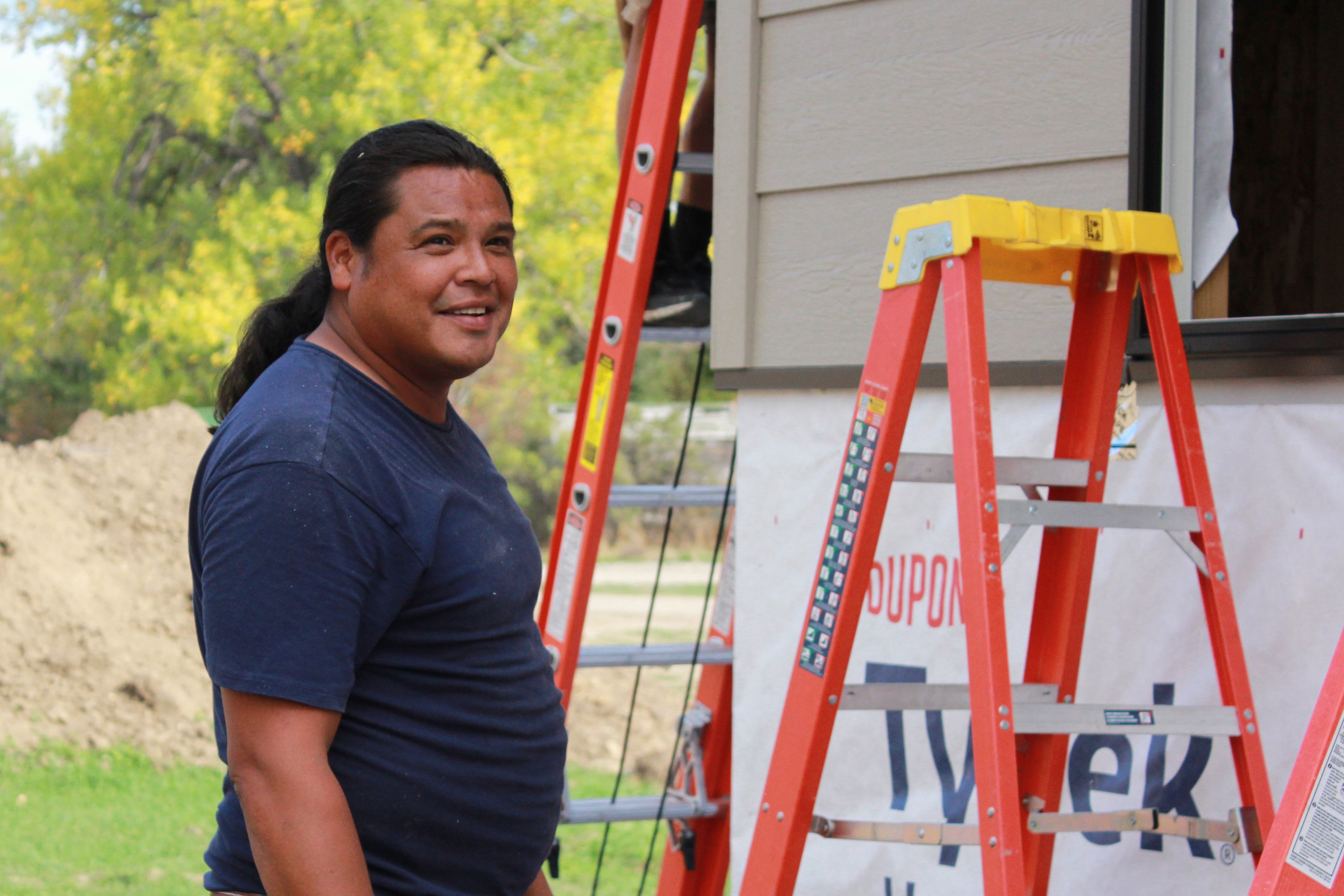
Their empty childhood home, with its caved-in corrals and tilting garage, stands as a symbol of the decay that meth addiction has wrought upon the community. This decay is not merely structural; it reflects a deep societal wound. In Lodge Grass, a town of roughly 500 residents, a local survey by the Mountain Shadow Association, a Native-led nonprofit, indicated that an estimated 60% of residents aged 14 and older struggle with drug or alcohol addiction. The prevalence of homes in disrepair is a visible manifestation of this struggle, exacerbated by a housing shortage that often forces multiple generations to share limited living spaces, a practice sometimes rooted in cultural norms but also a necessity born of scarcity.
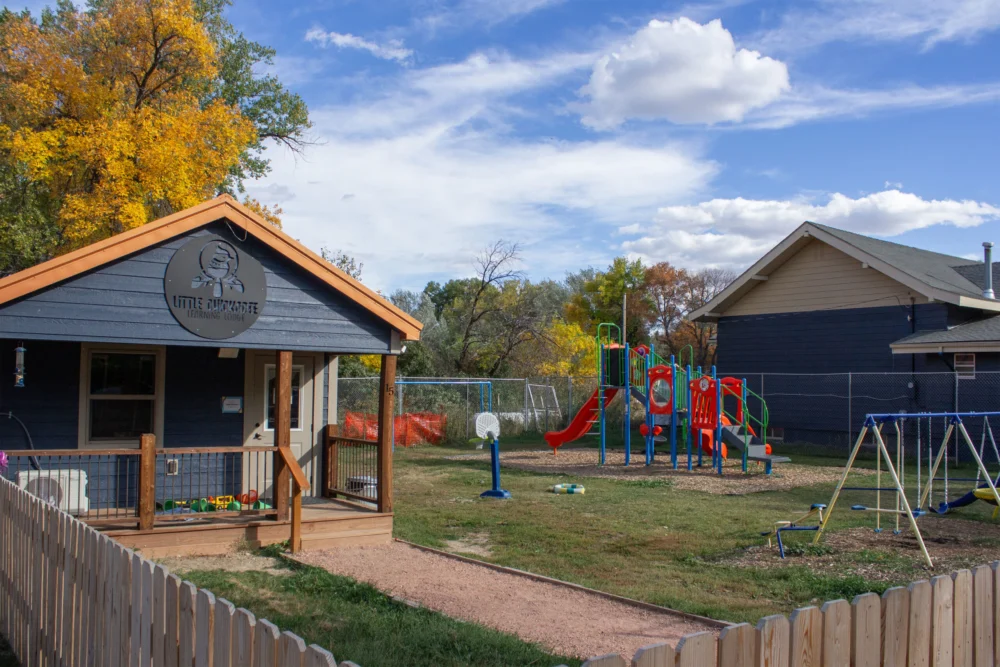
However, this landscape of hardship is gradually being transformed by signs of renewal. In recent years, the community has actively worked to dismantle over two dozen abandoned buildings, clearing the way for new development. This proactive approach has ushered in a new era of construction, with new businesses emerging as potent symbols of the town’s commitment to overcoming the devastating effects of methamphetamine. A particularly moving event occurred in October 2024 when a new daycare center, a small wooden building, was paraded through town on a truck, replacing a former abandoned home that had tested positive for meth. Megkian Doyle, head of the Mountain Shadow Association, described the scene as one filled with tears and a palpable sense of progress, marking the first time in decades that tangible signs of positive growth had arrived.
The Mountain Shadow Association is at the forefront of this revitalization, spearheading ambitious projects aimed at healing and support. Their vision includes a comprehensive campus designed to offer a spectrum of services, from mental health resources to temporary housing for children whose parents are undergoing addiction treatment elsewhere, and stable accommodations for families working towards sobriety. Though the project is a long-term endeavor, its progress is closely watched by locals, fostering a growing sense of optimism. Doyle describes this emerging hope as a "ground-level swell" that is beginning to lift the community.
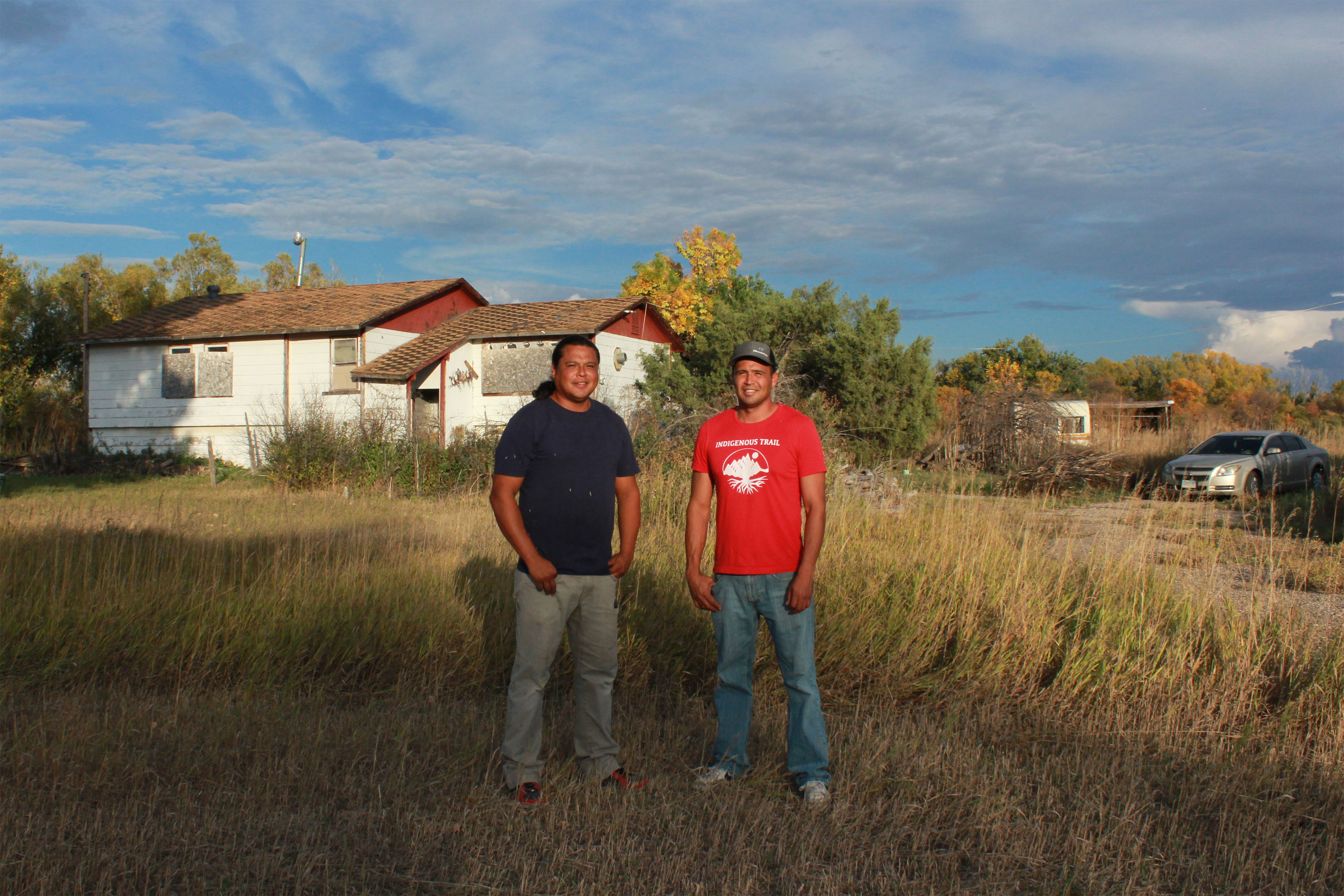
The Fritzler brothers, Lonny and Teyon, are now actively contributing to this transformative work as builders on the new campus, which is part of the Apsáalooke Nation, also known as the Crow Tribe. For Lonny, the construction work has evolved from a perceived punishment to a profound act of reclamation. "When I got into construction work, I actually thought God was punishing me," he shared. "But now, coming back, building these walls, I’m like, ‘Wow. This is ours now.’" This sentiment reflects a powerful sense of ownership and agency in the rebuilding process.
Methamphetamine addiction is a pervasive public health crisis across the United States, contributing significantly to the nation’s overdose epidemic. Its impact on Indian Country has been particularly devastating. Native Americans face the highest rates of meth addiction compared to any other demographic group in the U.S. A.C. Locklear, CEO of the National Indian Health Board, a nonprofit dedicated to improving health outcomes in Indian Country, states, "Meth has never left our communities."
The challenges are multifaceted. Many reservations are located in rural areas, which inherently experience higher rates of meth use. Furthermore, Native American communities often contend with disproportionately high rates of poverty, chronic disease, and mental illness – all recognized risk factors for addiction. These persistent issues are deeply rooted in over a century of systemic discrimination and the lingering effects of colonization. Compounding these challenges, the Indian Health Service, responsible for providing healthcare to Native Americans, has historically been underfunded. Reductions in federal funding, including those experienced during the Trump administration, have further strained health programs across the nation.
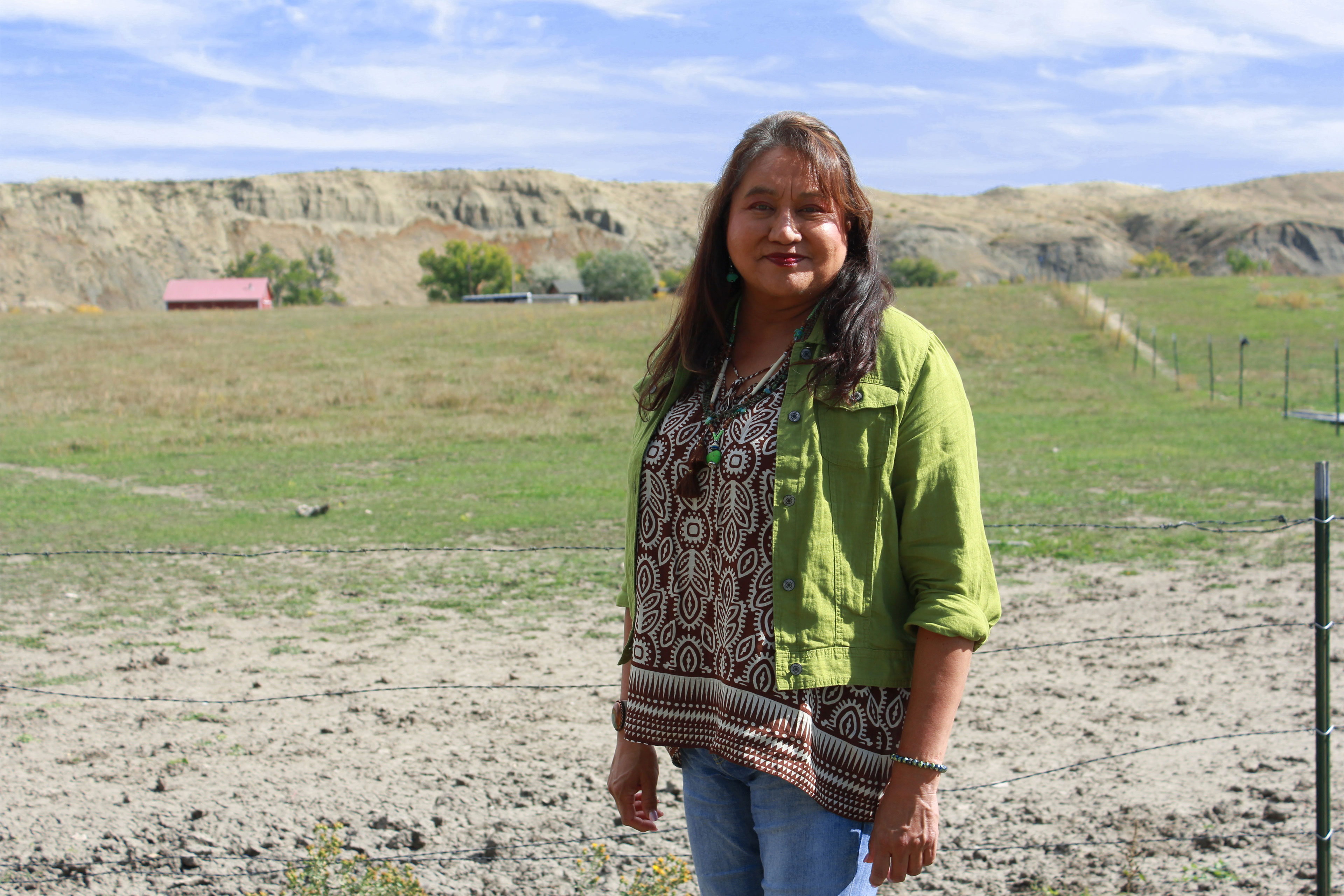
Despite these profound systemic challenges, tribal nations possess inherent strengths and resilience drawn from their rich traditions. LeeAnn Bruised Head, a recently retired public health adviser with the U.S. Public Health Service Commissioned Corps and a member of the Crow Tribe, emphasizes the enduring power of cultural practices. The Crow language is preserved, neighbors often function as extended family, and clans serve as vital mentorship networks, guiding children who, in turn, become mentors for future generations. "The strength here, the support here," Bruised Head states, "You can’t get that anywhere else." This deep sense of community and cultural continuity provides a crucial foundation for healing.
The tangible signs of rebuilding are becoming increasingly visible. Quincy Dabney, the mayor of Lodge Grass and a volunteer at the newly opened drop-in center, welcomed visitors to a community lunch. The center, housed in a former church, offers a sanctuary for individuals seeking sobriety and a place for a nourishing meal. Dabney has been instrumental in organizing community cleanup efforts since 2017, which evolved from addressing litter to the more critical task of demolishing condemned, abandoned houses. These derelict structures had, for too long, served as havens for drug dealing and use, often in plain sight of children playing nearby. "There was nothing stopping it here," Dabney lamented.
While the problem of drug trafficking persists, with officials in 2024 dismantling a multistate meth trafficking operation based on the Crow reservation that supplied drugs to other Montana reservations, the community’s resolve remains strong. This incident highlights how tribal nations are often targeted as hubs for drug sales and distribution. Yet, amidst the ongoing struggle, signs of positive change are undeniable. Dabney pointed to a field where a long-standing abandoned trailer had been removed, and noted ongoing demolition of a dilapidated house on the next block. Another house on the same street was being renovated to accommodate a new mental health worker, a crucial addition to the drop-in center.
A short drive from the drop-in center, construction is underway for Kaala’s Village, named after the Crow word for "grandmother." This new campus is envisioned as a comprehensive recovery hub, with its first building being a therapeutic foster home. Future plans include housing designed to facilitate family reunification, a community garden, and spaces for traditional ceremonies. Doyle explained that a key element of the village’s design is to empower residents to participate in building their own small homes, working alongside experienced builders trained in providing mental health support. "One of the most important aspects of this work," Doyle stated, "is that we finish it."
The reliance on federal programs has proven precarious, as evidenced by the political shifts and funding cuts that have impacted tribal communities. This underscores the critical need for grassroots initiatives like those flourishing in Lodge Grass. However, a sustainable funding model for such efforts remains elusive. Last year’s federal grant and program cuts have intensified competition for philanthropic resources. Kaala’s Village, with an estimated cost of $5 million, is being constructed in phases as funding becomes available. Doyle anticipates the foster home will open by spring, with family housing to follow the next year.
The construction site of Kaala’s Village is mere minutes from the Fritzler brothers’ childhood home. Beyond their work on the new facility, Lonny and Teyon are undergoing training to provide mental health support, aspiring to work directly with individuals who find refuge at Kaala’s Village. Their own home, a symbol of their past struggles, is a project they hope to restore, "piece by piece." "We’ve got to do something," Lonny affirmed, looking towards the future. "We’ve got these young ones watching." Their commitment to rebuilding, both their personal lives and their community, serves as a powerful testament to the enduring spirit of the Crow Nation.
