
"For many older adults experiencing homelessness, a traditional shelter is not just inadequate, it can be a place of increased risk. Specialized facilities like the MVP are vital in addressing their unique medical and mobility needs, offering a path to stability and dignity."
In Sandy, Utah, a modest two-story brick building on the outskirts of Salt Lake City has been repurposed to serve a critical and growing need: a sanctuary for older adults experiencing homelessness. This facility, known as the Medically Vulnerable Persons (MVP) shelter, is specifically designed to house individuals aged 62 and older, as well as younger adults living with chronic health conditions. The MVP represents a paradigm shift in homeless services, moving beyond basic shelter to provide comprehensive care tailored to the complex needs of an aging demographic that is increasingly finding itself without housing.
The aging homeless population in the United States is a rapidly expanding demographic, a trend noted by Dennis Culhane, a researcher at the University of Pennsylvania. This group comprises not only individuals who have faced prolonged periods of homelessness and are now aging in place, but also a significant number of older adults who are losing their housing for the first time in their lives. Traditional homeless shelters often struggle to accommodate the specific challenges faced by this population. Issues such as navigating bunk beds, managing complex medication regimens, and accessing shared bathrooms can present significant barriers, leading some facilities to turn away those who cannot independently manage their care. The MVP shelter directly addresses these limitations by offering a supportive environment designed with mobility impairments in mind, including private bathrooms crucial for those dealing with incontinence.
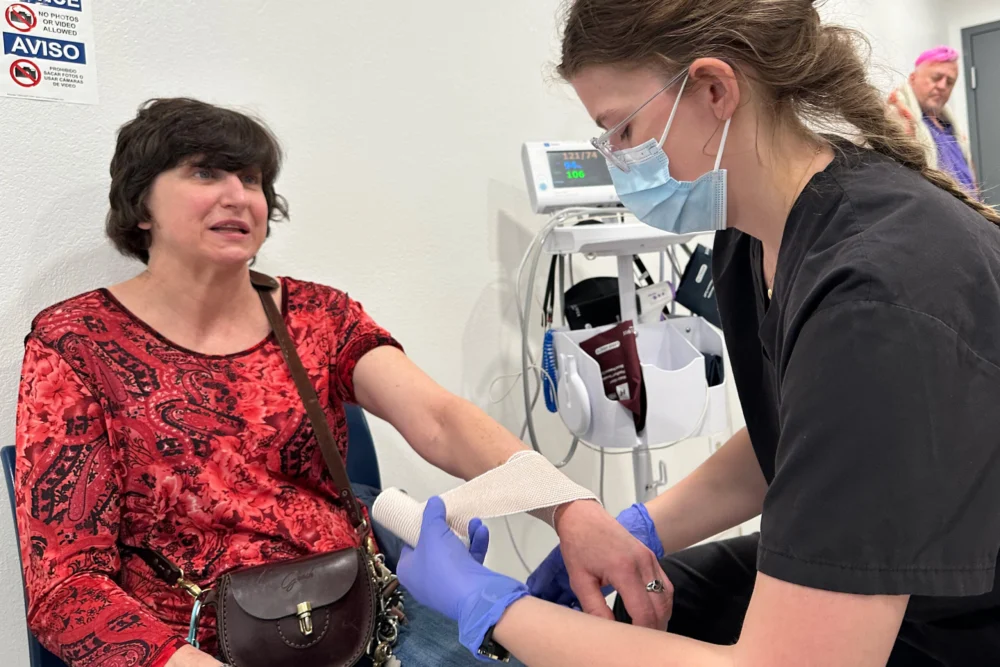
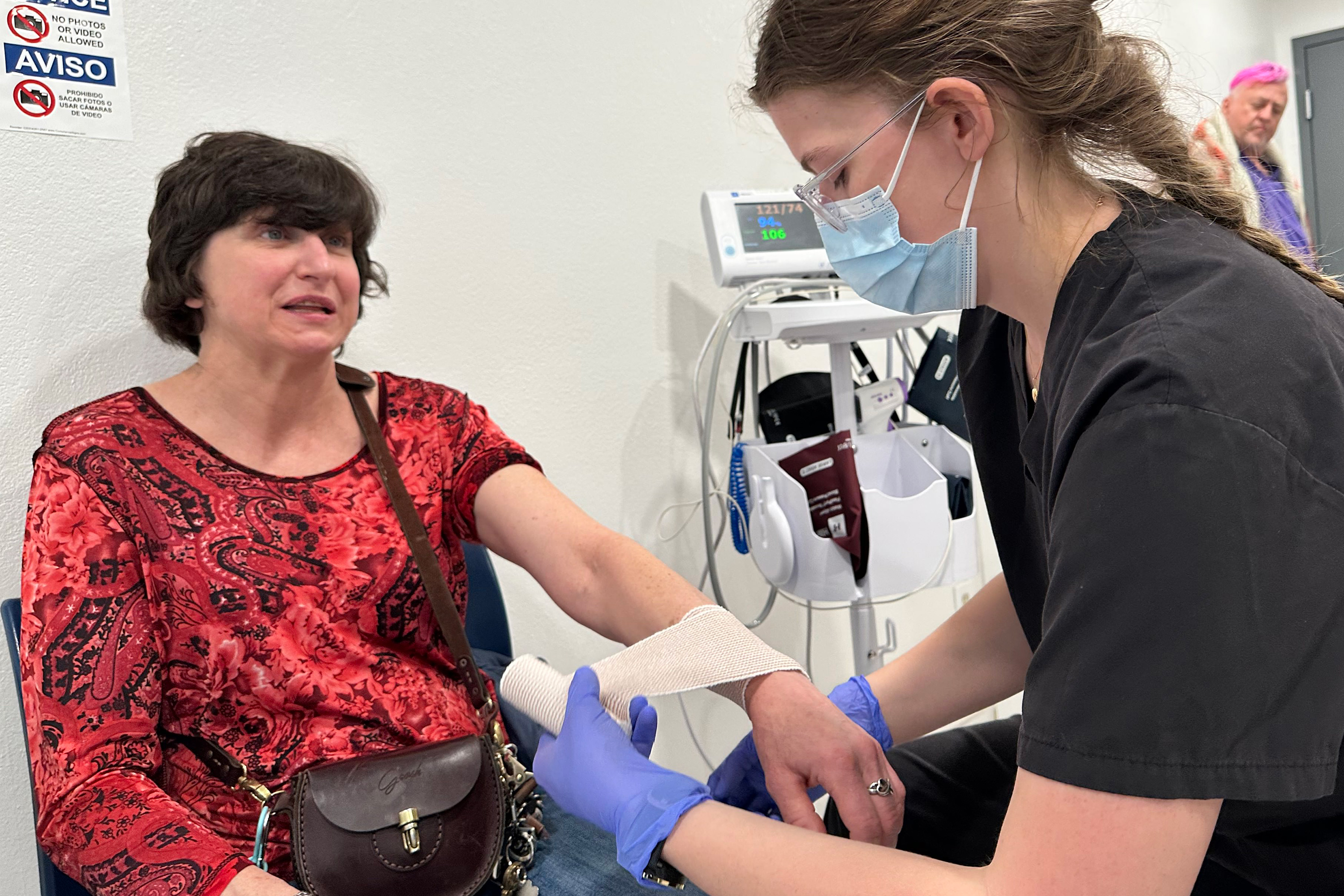
A key differentiator of the MVP shelter is its integrated approach to healthcare. By co-locating medical services, the shelter ensures that residents receive timely and appropriate care as their health needs evolve. This was exemplified by the experience of Jamie Mangum, a woman in her early 50s battling lung cancer. After a fall in her room, she was able to receive immediate attention from an on-site emergency medical technician, who bandaged her swollen wrist. Mangum noted that in other shelters, she would have faced hours of waiting and the arduous task of seeking external medical care. At MVP, assistance was immediate, allowing her to return to her room quickly. Furthermore, specialized social workers at MVP have been instrumental in helping Mangum navigate her cancer treatment.
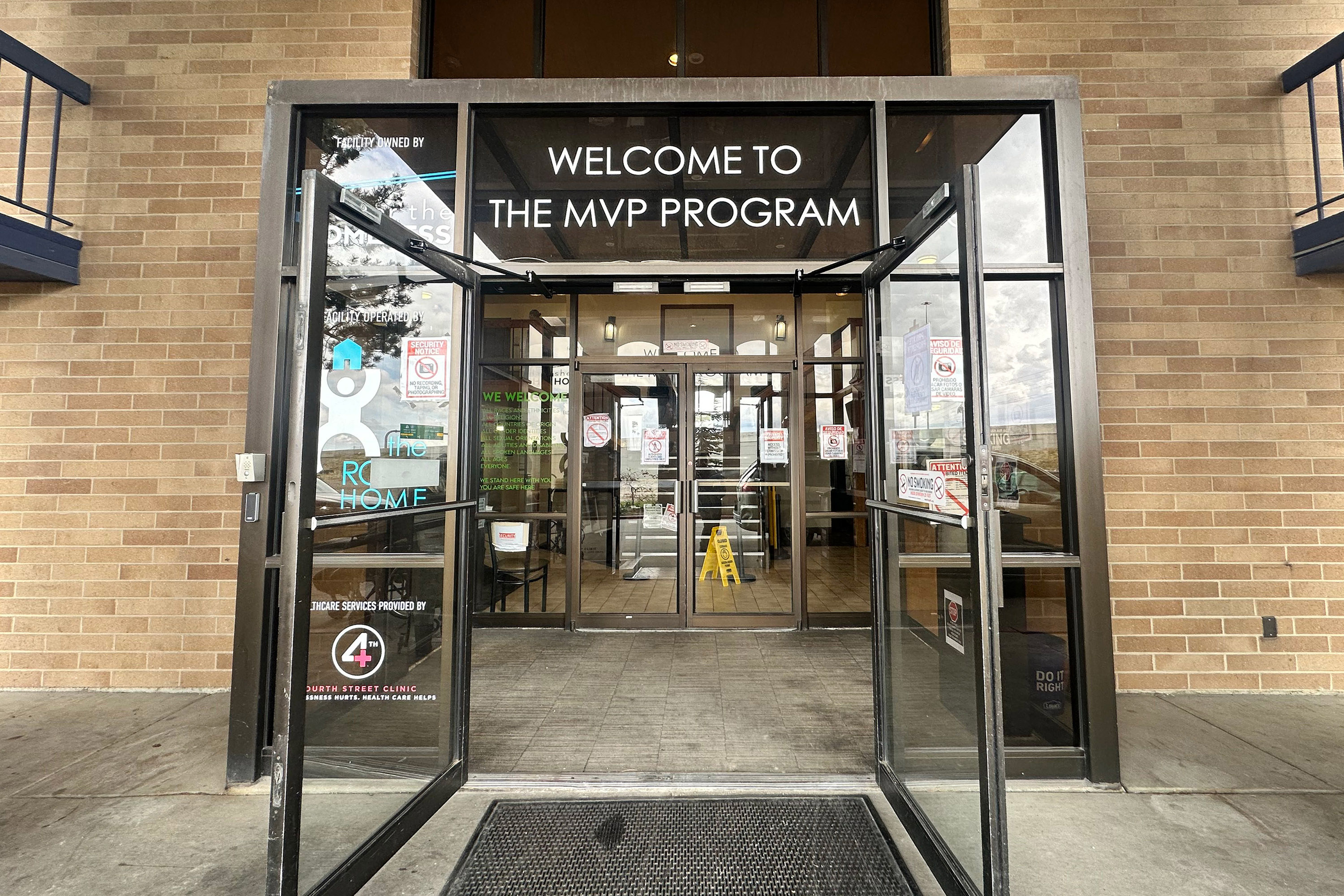
Baleigh Dellos, who manages the MVP shelter for the local nonprofit The Road Home, highlights the diverse needs of their residents. "We have clients who require memory care. Perhaps they lived independently before, but can no longer do so and were evicted due to dementia or other reasons," she explained. The shelter employs specialized medical case managers, and primary care physicians and therapists visit weekly. Residents can even access physical therapy within the facility, further enhancing the continuity of care.
The MVP’s commitment to holistic support is strengthened by its partnership with the Fourth Street Clinic, which provides on-site medical care. Matt Haroldsen of Fourth Street Clinic emphasizes that medication management is often the most immediate need for new residents. For individuals experiencing homelessness, simply keeping medications secure and viable is a significant challenge. "When they are in encampments, their medicine gets stolen," Haroldsen noted. He further explained the plight of those with diabetes who may resort to burying their insulin to keep it cool, often forgetting its location or finding it spoiled due to temperature fluctuations.
By helping residents stabilize their health conditions through consistent access to medication and care, the MVP empowers them to focus on other crucial steps toward stability. This includes obtaining identification and other necessary documentation to apply for disability benefits, Social Security, and various programs designed to help them secure permanent housing. This comprehensive approach is gaining traction nationally, with local governments and nonprofits establishing similar specialized shelters in states like Florida, California, and Arizona.
Caitlin Synovec, deputy director of the National Health Care for the Homeless Council, underscores the life-or-death significance of such specialized accommodations. In colder climates, individuals with mobility issues or other medical conditions may be denied entry to traditional shelters, posing a grave risk. Synovec recounted a tragic incident in 2022 where an older homeless man died of exposure in Bozeman, Montana, after being turned away from a shelter due to incontinence. The complex medical needs of some individuals can also pose challenges in traditional shelters, which may not be equipped to handle situations such as a resident requiring oxygen, which can present fire hazards. Synovec asserts that integrating healthcare services within shelters is the most effective strategy for helping older adults maintain stability once they secure housing, as health issues are a primary driver of housing instability for this demographic.
The MVP model is demonstrating significant success. Jacob Torner, vice president of programs at the Task Force for Ending Homelessness in Fort Lauderdale, Florida, which operates the Elder Haven shelter, reported that "over 80% of the people who went through our program last year were able to move into stable or permanent housing." The MVP shelter near Salt Lake City has also achieved remarkable results, permanently housing 36 older adults by the end of last year.
Despite these successes, the demand for such specialized services far outstrips the available capacity. Dellos reports that the MVP shelter’s waiting list consistently hovers around 200 individuals. The shelter prioritizes those with the most urgent medical needs, rather than simply the length of their wait time, reflecting the critical nature of their mission.
For those who secure a place at MVP, the impact can be life-altering. Jeff Gregg, 62, exemplifies this transformation. While playing fetch with his dog, Ruffy, outside the shelter, Gregg’s past struggles with chronic back pain and a decades-long opioid addiction were evident. He shared the cyclical nature of his homelessness, marked by job loss, lack of insurance, and the constant battle for basic necessities, which often overshadowed his efforts to maintain sobriety.
Gregg found that MVP provided the first environment where he could truly focus on his recovery. "I was able to get off the drugs. It took me a couple of months, but I worked through it slowly," he recounted. This newfound stability paved the way for him to undergo back surgery, alleviating his chronic pain. He now hopes that this relief will enable him to find employment and secure an apartment, marking a significant step towards regaining his independence. The success of the MVP shelter and similar initiatives across the country highlights a growing recognition that addressing homelessness among older adults requires a nuanced, medically informed, and compassionate approach.
