
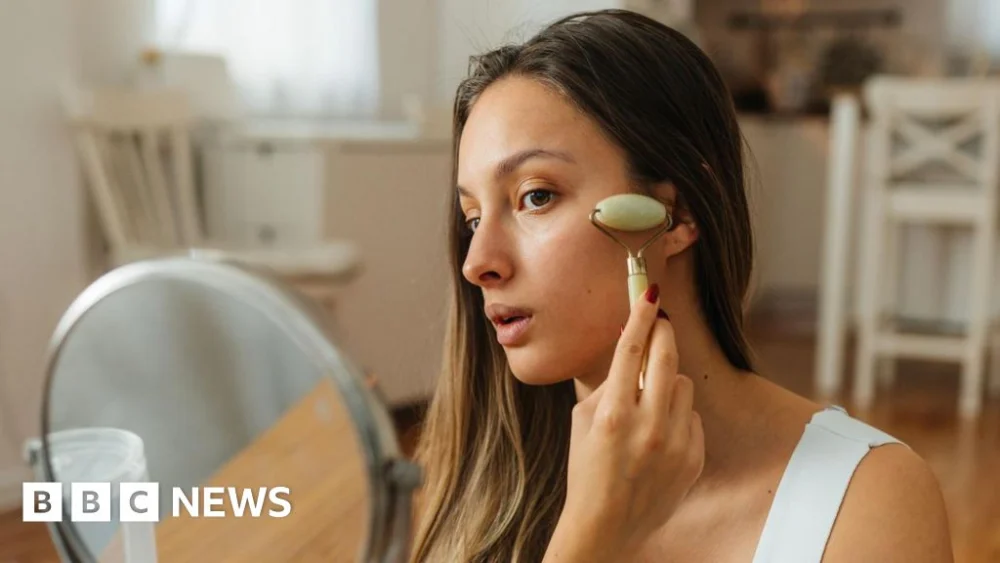
"While popular depuffing hacks offer temporary cosmetic relief by influencing blood flow and lymphatic drainage, they do not fundamentally alter facial structure; true, lasting solutions stem from understanding and addressing underlying physiological causes."
In an era dominated by rapid beauty trends propagated across social media platforms, the quest for a sculpted, refreshed complexion has led to a proliferation of viral "depuffing" techniques. From icy plunges to sophisticated rolling devices and specialized creams, these methods promise quick visual improvements. However, amidst the widespread enthusiasm, skin experts caution against overhyped expectations, emphasizing that most of these quick fixes provide only transient effects, making it crucial to understand their scientific basis and the true causes of facial puffiness.
In the dynamic landscape of social media, where beauty hacks proliferate with astounding speed, the pursuit of a perfectly sculpted and refreshed complexion has propelled numerous "depuffing" techniques into viral fame. Online platforms are awash with content showcasing individuals plunging their faces into ice water, gliding frozen tools across their skin, and meticulously applying specialized creams, all promising to diminish facial swelling in mere minutes. Yet, beneath the visually compelling aesthetics, a critical question arises: do these widely adopted methods genuinely deliver on their promises, or are they merely fleeting illusions?
Consultant dermatologists, often at the forefront of debunking skincare myths, offer a nuanced perspective. Dr. Aiza Jamil and Dr. Tina Tian, both highly respected in their field, assert that while these techniques can indeed provide noticeable, albeit temporary, relief, many are often misunderstood, their efficacy overhyped, and their claims of permanent transformation unfounded. The core insight from these experts is clear: visible improvements are typically transient, and the underlying physiological causes of puffiness remain unaddressed by superficial applications.
Understanding Facial Puffiness: The Root Causes
Facial puffiness, characterized by a swollen or bloated appearance, is primarily a consequence of fluid retention within the tissues. This accumulation can be triggered by a variety of factors, many of which are common in modern lifestyles. Dr. Jamil highlights several prevalent culprits, including a diet high in sodium, excessive alcohol consumption, allergic reactions, and insufficient sleep. Each of these factors can disrupt the body’s delicate fluid balance and circulatory systems, leading to noticeable swelling, particularly around the eyes and cheeks.
Dr. Tian further categorizes the popular viral hacks into three primary mechanisms: cold exposure, mechanical massage, and topical agents with temporary tightening effects. She explains that these approaches can "genuinely reduce visible swelling and provide relief," but critically reiterates that "the key word is temporary – they won’t permanently change facial structure." To truly understand their effects, it’s essential to delve into the science behind each method.
1. Cold Therapy: The Vasoconstrictive Effect
The "ice facial" has transcended from a niche beauty secret to a mainstream social media phenomenon, with countless users documenting their courageous plunges into icy bowls. The allure of cold therapy stems from its immediate, visible impact. As Dr. Tian explains, the fundamental principle at play is vasoconstriction: "cold exposure causes blood vessels to constrict, which can reduce swelling."
When cold is applied to the skin, the blood vessels in the area narrow, reducing blood flow and subsequently decreasing fluid leakage into the surrounding tissues. This immediate physiological response is the basis for the efficacy of various cold-based depuffing tools, including cryo-globes, chilled jade rollers, and refrigerated sheet masks. While the dramatic ice plunge captures attention, Dr. Tian emphasizes that achieving this benefit doesn’t necessitate such extreme measures. A simple chilled compress, a splash of cold water, or even a refrigerated eye mask can induce a similar, albeit less intense, vasoconstrictive effect.
Dr. Jamil adds that this temporary constriction can indeed impart a "slightly tighter, fresher appearance, particularly in the morning," making it a popular ritual for those seeking an immediate boost. However, the duration of these effects is limited, typically "lasting hours rather than days." It’s a quick fix for a morning meeting or an evening out, but not a long-term solution.

Moreover, experts caution against overzealous application of cold. Dr. Tian warns that "very aggressive ice exposure can irritate sensitive skin or trigger rosacea," a chronic inflammatory skin condition characterized by redness and visible blood vessels. Individuals with sensitive complexions should approach extreme cold treatments with care, opting for gentler methods and shorter exposure times to avoid adverse reactions like redness, dryness, or even temporary nerve sensitivity. Maintaining proper hygiene for any tools used is also paramount to prevent bacterial transfer to the skin.
2. Facial Rollers and Gua Sha: Harnessing Lymphatic Drainage
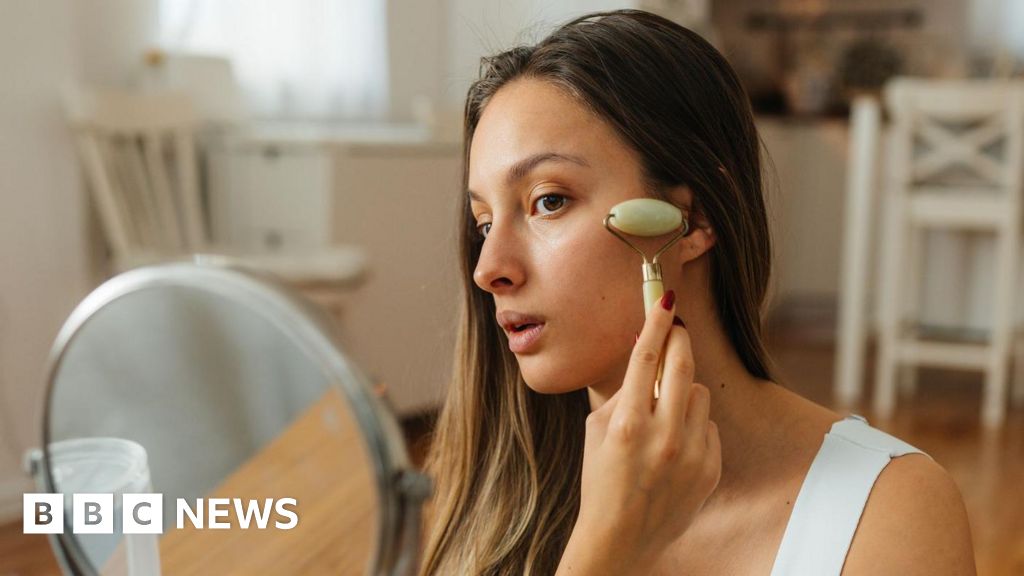
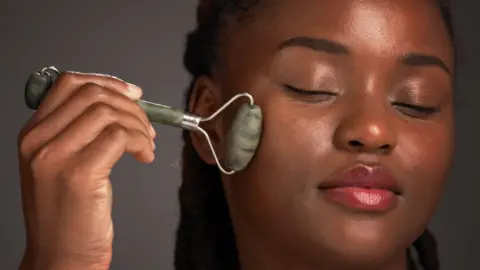
Once exclusive to high-end spas, facial rollers and gua sha stones have become ubiquitous bathroom staples, promoted not just for depuffing but also for their purported sculpting and contouring abilities. These tools, crafted from materials like jade, rose quartz, or stainless steel, have garnered a reputation for refining facial features and promoting a youthful glow.
Dr. Jamil, however, offers a crucial clarification: while popular belief often attributes skin-tightening properties to these devices, they "do not permanently tighten skin, change skin structure, or remove fat." Instead, their primary benefit lies in their ability to act as a "soothing tool" that aids in the temporary reduction of fluid retention.
The mechanism behind their depuffing effect is rooted in the stimulation of the lymphatic system. The lymphatic system is a vital part of the immune system and plays a crucial role in maintaining fluid balance within the body. It collects excess fluid, waste products, and toxins from tissues and transports them back into the bloodstream. When this system becomes sluggish, fluid can accumulate, leading to puffiness.
As Dr. Tian explains, "A gentle massage encourages lymphatic drainage and reduces fluid pooling if used regularly." By employing specific upward and outward strokes with a facial roller or gua sha stone, users can help to manually guide stagnant fluid away from the face and towards the lymph nodes, primarily located in the neck and around the ears. Once the fluid reaches these nodes, it can be processed and drained naturally by the body. The cooling effect of these tools, especially if kept in the refrigerator, can further amplify their depuffing capabilities by adding a vasoconstrictive element.

While the practice is generally safe when performed correctly, technique is paramount. Dr. Tian cautions that "too much pressure can cause bruising or broken capillaries," particularly on delicate facial skin. Users should ensure their skin is well-lubricated with a serum or facial oil to allow the tool to glide smoothly, minimizing friction and potential damage. The goal is gentle stimulation, not aggressive manipulation. Regular cleaning of these tools is also essential to prevent bacterial buildup and skin irritation.
3. Caffeine Creams: The Topical Vasoconstrictor
Caffeine eye creams have become a cornerstone of morning routines, recommended by influencers and prominently featured in skincare aisles globally. The allure is undeniable: the promise of instantly brighter, less puffy eyes, ready to face the day. The skin around the eyes is particularly susceptible to swelling due to its thinness and the ease with which fluid can accumulate in this delicate area.
Unlike some other beauty trends, Dr. Tian confirms that the efficacy of caffeine in this context is supported by scientific evidence. "Caffeine is a mild vasoconstrictor [narrows blood vessels], so caffeine-containing eye creams can genuinely reduce puffiness," she states. When applied topically, caffeine temporarily constricts the tiny blood vessels beneath the skin’s surface. Less dilation of these vessels translates to reduced fluid leakage and, consequently, less visible swelling. Dr. Jamil further notes that caffeine can help "reduce fluid retention and some under-eye darkness" by improving microcirculation.
For those considering incorporating a caffeine eye cream into their regimen, Dr. Tian advises selecting products that also contain hydrating ingredients, such as hyaluronic acid or ceramides. These components work synergistically with caffeine, supporting overall skin quality and providing additional benefits beyond mere depuffing. Similar to cold therapy tools, storing eye cream in the refrigerator can amplify its cooling and vasoconstrictive effects, offering an enhanced sense of refreshment. Even simpler, Dr. Jamil points out that DIY alternatives, such as applying a cold spoon or chilled tea bags, operate on the same principle, offering a temporary reduction in swelling and soothing benefits, albeit with a "lesser effect" compared to formulated creams due to varying concentrations and delivery systems. The tannins in tea bags, for instance, can also contribute to a temporary tightening sensation.
A Holistic Approach to Lasting Results
While these viral hacks offer quick visual improvements, dermatologists unequivocally stress the importance of addressing the underlying causes of facial puffiness for more sustained results. Relying solely on temporary fixes without adjusting lifestyle factors is akin to patching a leaky roof without fixing the source of the leak.
Dr. Tian provides comprehensive lifestyle recommendations:
- Dietary Adjustments: Reducing evening intake of high-sodium foods and alcohol can significantly mitigate fluid retention. Sodium causes the body to hold onto water, while alcohol is a diuretic that can paradoxically lead to dehydration and subsequent fluid retention as the body tries to compensate.
- Prioritize Sleep: Consistent, adequate sleep is crucial. Lack of sleep can disrupt hormonal balance and increase cortisol levels, contributing to inflammation and fluid retention.
- Elevate Your Head at Night: Sleeping with the head slightly elevated can prevent fluid from pooling in the face overnight, leading to a less puffy appearance in the morning.
- Manage Allergies: Properly treating allergies with antihistamines or other prescribed medications can reduce the inflammatory response that often manifests as facial swelling.
- Hydration: Paradoxically, dehydration can signal the body to retain water, contributing to puffiness. Ensuring adequate water intake throughout the day helps the body maintain proper fluid balance.
- Regular Exercise: Physical activity improves circulation and lymphatic flow, aiding in the natural drainage of excess fluids.
When to Seek Medical Advice
It is crucial to distinguish between typical, transient facial puffiness and more concerning symptoms that may indicate an underlying medical condition. Most common instances of puffiness are benign and resolve on their own with lifestyle adjustments or temporary cosmetic aids.
However, Dr. Tian advises that "if it’s persistent, worsening, painful or associated with other symptoms such as breathlessness or swelling elsewhere in the body, it should be assessed medically." Specific warning signs include:
- Unilateral Swelling: Puffiness on only one side of the face could indicate an infection, dental issue, or other localized problem.
- Sudden Onset: Rapidly developing, severe swelling may be a sign of an allergic reaction (angioedema) or an acute inflammatory process.
- Pain, Redness, or Warmth: These symptoms often point towards inflammation or infection.
- Systemic Symptoms: Swelling accompanied by fever, fatigue, significant weight gain, changes in urine output, or swelling in other body parts (ankles, hands, abdomen) could signal issues with the heart, kidneys, thyroid, or other systemic conditions.
In such cases, a healthcare professional can conduct a thorough evaluation, diagnose any underlying medical conditions, and recommend appropriate treatment, ensuring both cosmetic concerns and overall health are addressed. While viral depuffing tricks offer quick, superficial fixes, true skin health and a consistently refreshed appearance are best achieved through a combination of informed skincare practices, healthy lifestyle choices, and, when necessary, professional medical guidance.
