
"We have broken-down houses, a burnt one over here, a lot of houses that are not livable. There is a ground-level swell of hope that’s starting to come up around your ankles."
In the heart of the Crow Indian Reservation, a community grapples with the enduring legacy of methamphetamine addiction, a crisis that has left a trail of broken homes and shattered lives. Yet, amidst the devastation, a powerful current of resilience and renewal is emerging. This article explores the profound impact of meth on the Lodge Grass community and highlights the grassroots efforts, led by tribal members themselves, to reclaim their future and rebuild not just structures, but hope and well-being for generations to come.
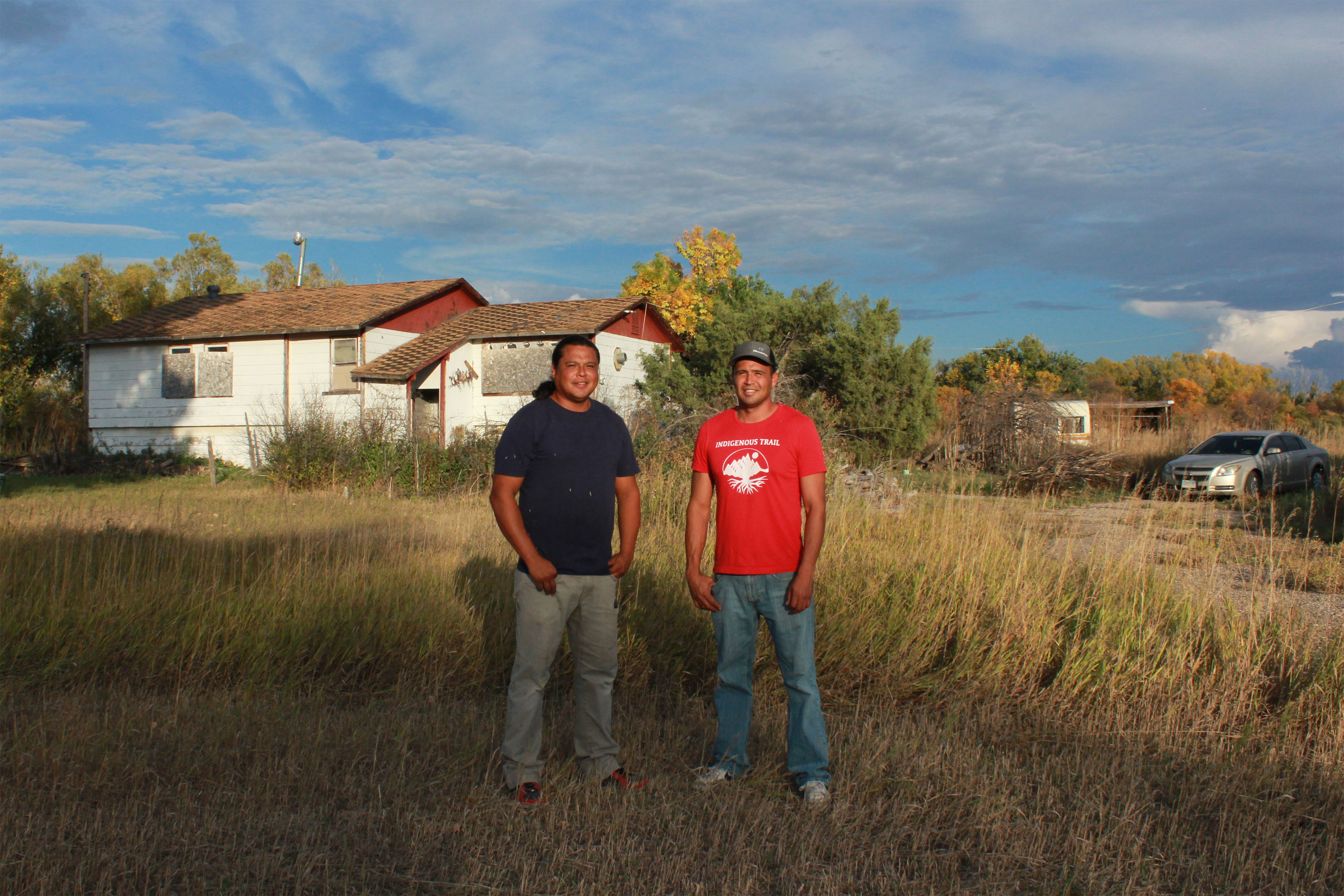
LODGE GRASS, Mont. – The vast Montana prairie, once a landscape of cherished memories and ancestral teachings for Lonny and Teyon Fritzler, now stands as a stark reminder of the pervasive struggle against methamphetamine addiction that has gripped their community. Their childhood home, a modest clapboard structure near the Little Bighorn River, has sat vacant for years, its boarded-up windows and neglected exterior mirroring the brokenness left in the wake of widespread drug use. It was on this land that Lonny learned the art of breaking horses from his grandfather, and Teyon the tradition of harvesting buffalo berries from his grandmother. But it was also here that they witnessed the insidious descent of their father into meth addiction, a path that would eventually claim his life, and later, those of both their father and grandfather.
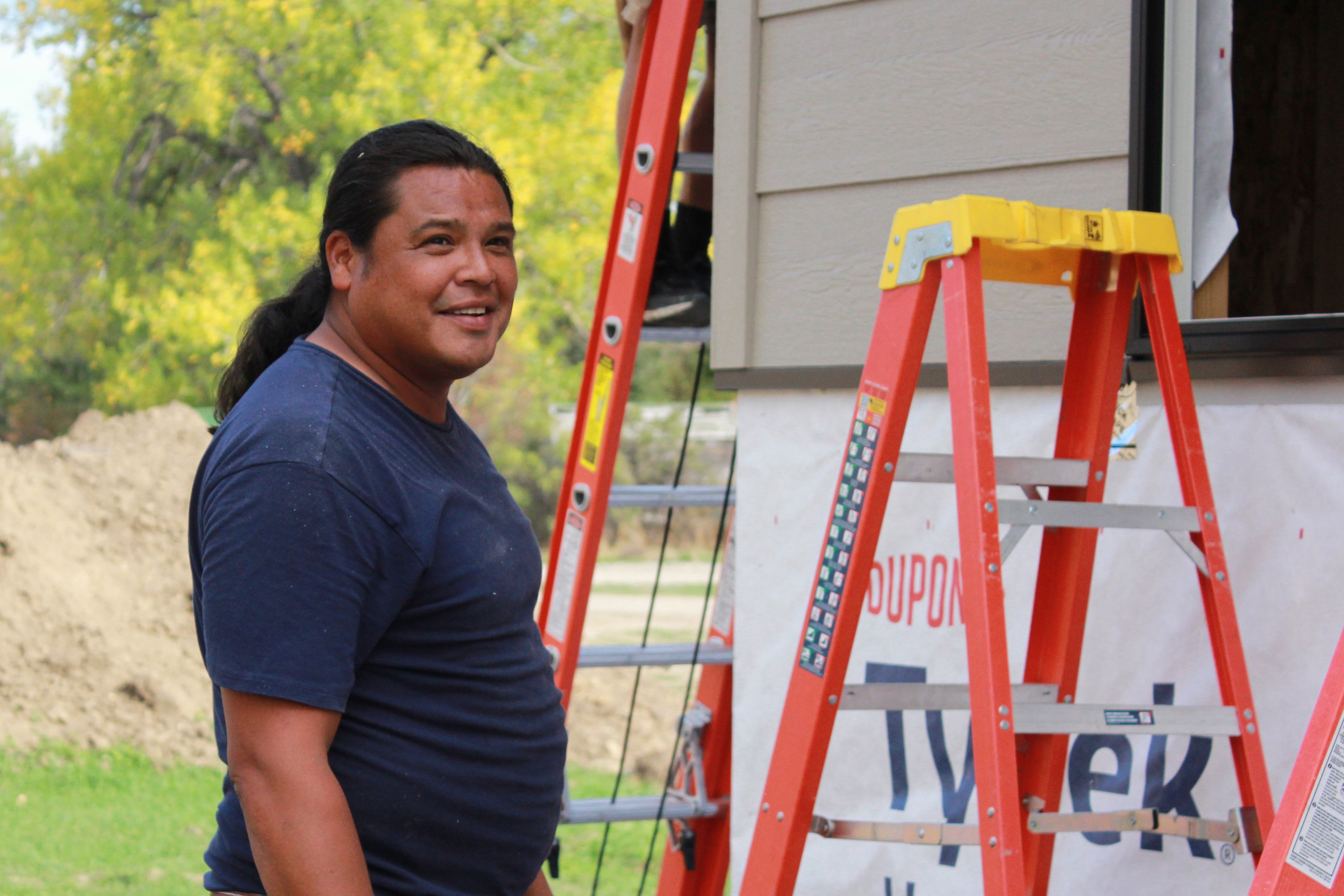
For Teyon, now 34, the descent began at 15, sharing the destructive habit with his father. Lonny, 41, found himself drawn to the drug after college, the stress of caring for his ailing grandfather with dementia a heavy burden. Their individual battles with meth addiction spanned years, outlasting the lives of their loved ones and forcing them to leave Lodge Grass, a town of approximately 500 residents on the Crow Indian Reservation, in pursuit of recovery.
The brothers found refuge and sobriety with an aunt in Oklahoma, learning to navigate life free from the grip of methamphetamine. Their family property, however, tells a different story of the community’s plight. The horse corral’s beams are broken, its roof has caved in, and the garage lists precariously. These crumbling structures are a common sight throughout this Native American community, a tangible testament to the devastating effects of meth addiction. Lonny notes that the cost of repairing many of these homes is prohibitive, a grim reality in a region facing a significant housing shortage. Cultural traditions often necessitate multiple generations living under one roof, a practice amplified by the scarcity of adequate housing. "We have broken-down houses, a burnt one over here, a lot of houses that are not livable," Lonny describes, gesturing to the few neighboring homes.
This dire situation is quantified by a local survey commissioned by the Mountain Shadow Association, a Native-led nonprofit. The survey indicates that an estimated 60% of Lodge Grass residents aged 14 and older struggle with drug or alcohol addictions. For many, these dilapidated buildings serve as potent symbols of this ongoing battle. However, the tide is beginning to turn. In recent years, the town has taken down more than two dozen abandoned buildings, and for the first time in decades, new businesses are emerging, signaling a collective effort towards recovery.
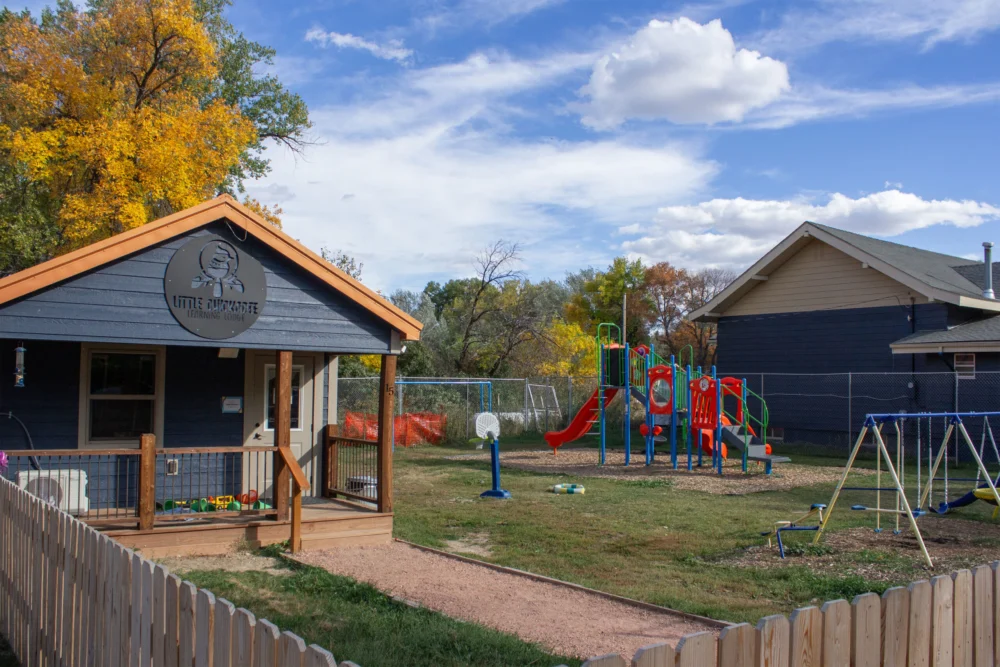
A powerful symbol of this revitalization arrived in October 2024: a small, wooden daycare center. Its delivery to Lodge Grass was met with a celebratory parade, a stark contrast to its predecessor – a formerly abandoned home that had tested positive for meth. "People were crying," recounts Megkian Doyle, the head of the Mountain Shadow Association, which opened the center. "It was the first time that you could see new and tangible things that pulled into town."
The Mountain Shadow Association is also spearheading a groundbreaking project: a campus dedicated to family healing from addiction. The vision includes comprehensive mental health resources, temporary housing for children whose parents are undergoing treatment elsewhere, and supportive housing for families actively working towards sobriety. Though years from completion, the project has become a focal point for community hope, with locals frequently visiting to witness its progress. Doyle observes, "There is a ground-level swell of hope that’s starting to come up around your ankles."
Among the dedicated builders contributing to this vital project are Lonny and Teyon Fritzler. They view their work not merely as construction, but as an act of community reclamation within the Apsáalooke Nation, also known as the Crow Tribe. Lonny reflects, "When I got into construction work, I actually thought God was punishing me. But now, coming back, building these walls, I’m like, ‘Wow. This is ours now.’"
Methamphetamine’s Enduring Shadow
Methamphetamine addiction represents a long-standing public health crisis across the United States, significantly contributing to the nation’s escalating overdose fatalities. Its impact has been particularly devastating in Indian Country, a term encompassing tribal jurisdictions and areas with significant Native American populations. Data indicates that Native Americans face the highest rates of meth addiction in the U.S. compared to any other demographic group.
"Meth has never left our communities," states A.C. Locklear, CEO of the National Indian Health Board, a nonprofit dedicated to advancing health equity in Indian Country. Several factors contribute to this disproportionate burden. Many reservations are situated in rural areas, which historically exhibit higher rates of meth use. Furthermore, Native American communities often contend with elevated levels of poverty, chronic disease, and mental illness – all recognized as risk factors for addiction. These systemic challenges are deeply rooted in over a century of colonization and discriminatory practices. Compounding these issues, the Indian Health Service, responsible for providing healthcare to Native Americans, has been chronically underfunded, with further reductions under past administrations exacerbating existing deficiencies.
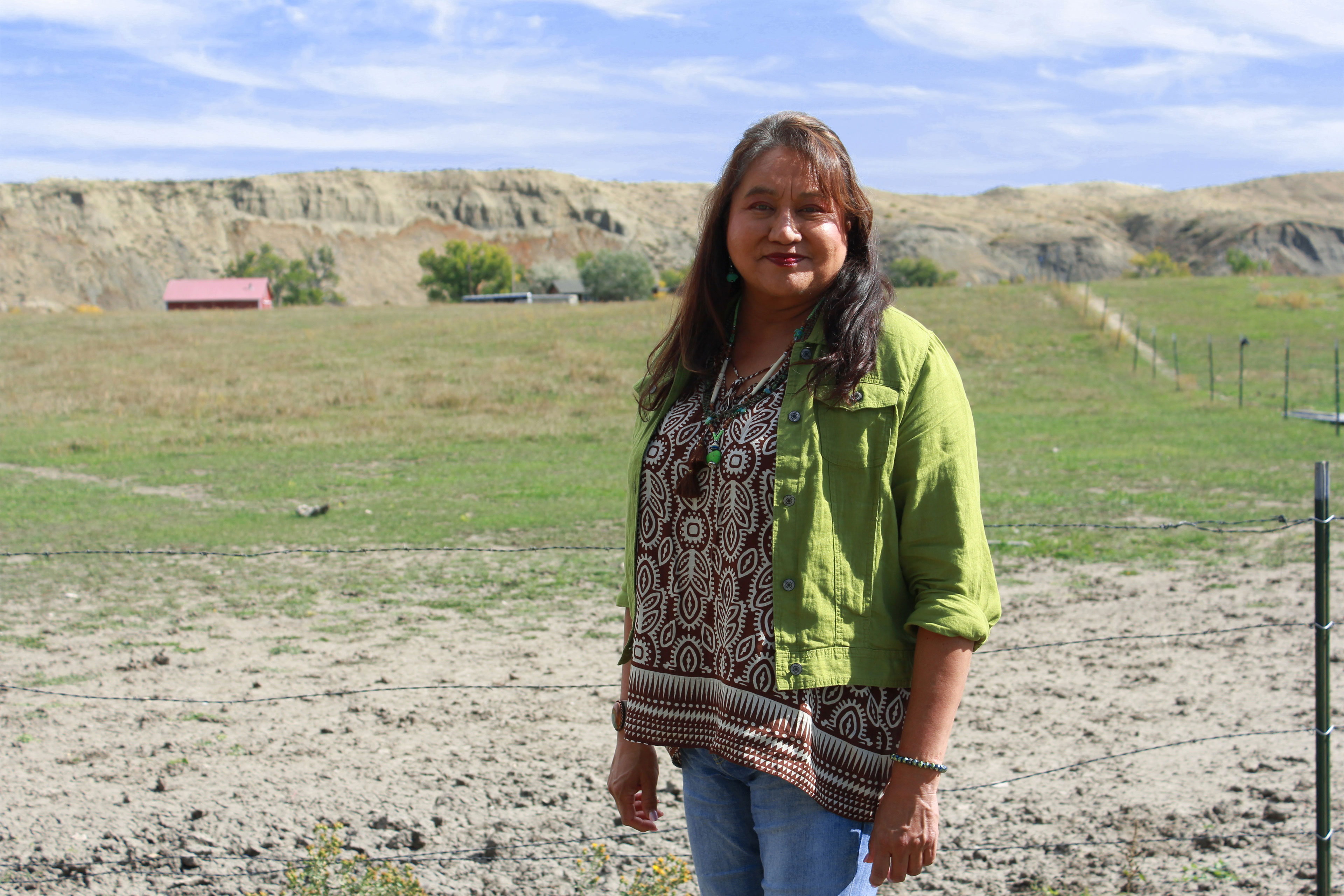
Despite these formidable obstacles, tribal nations have demonstrated remarkable resilience, drawing strength from their traditions. LeeAnn Bruised Head, a recently retired public health adviser with the U.S. Public Health Service Commissioned Corps and a member of the Crow Tribe, highlights the enduring power of cultural practices. The Crow language, strong kinship ties, and the tradition of intergenerational mentorship within clans are vital sources of support. "The strength here, the support here," Bruised Head asserts, "You can’t get that anywhere else."
Signs of Rebuilding and Hope
In Lodge Grass, tangible signs of this resilience are evident. Quincy Dabney, the town’s mayor and a volunteer at the newly opened Lodge Grass drop-in center, greets individuals seeking sobriety support or a free meal. The center, established in a former church, is part of a broader community initiative. Dabney initiated community cleanup days in 2017, which evolved into the systematic demolition of condemned, vacant homes. He explains that these structures had become dangerous hubs for meth distribution and use, often in plain sight of children. "There was nothing stopping it here," Dabney laments.
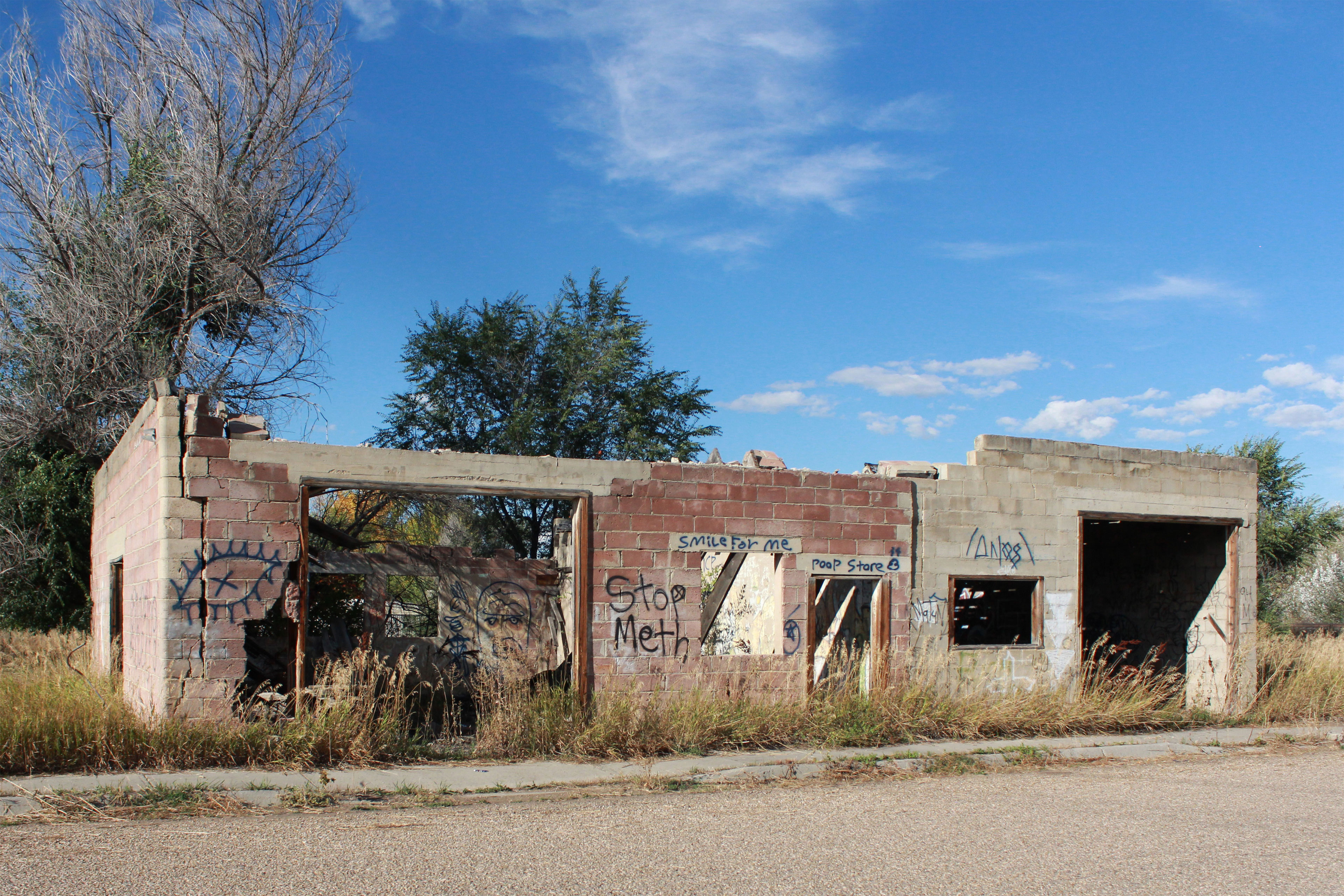
While the problem persists – evidenced by the dismantling of a multistate trafficking operation based on the Crow reservation in 2024, which supplied drugs to other Montana reservations – the community’s resolve is unwavering. Scrawled on the roofless walls of a derelict stone building, the message "Stop Meth" serves as a stark reminder, yet the surrounding area tells a story of progress. Dabney points to a field where a long-abandoned trailer has been removed and notes the ongoing demolition of another blighted house. Nearby, a home is being renovated to house a new mental health worker for the drop-in center.
A short drive away, construction is underway for Kaala’s Village, a center for addiction recovery, its name meaning "grandmother" in Crow. The initial phase involves building a therapeutic foster home, with future plans for family reunification housing, a community garden, and spaces for cultural ceremonies. Doyle envisions a future where residents can participate in building their own homes, supported by experienced builders trained in mental health care. "She said one of the most important aspects of this work is that we finish it," Doyle emphasizes.
The community’s reliance on grassroots efforts, like those unfolding in Lodge Grass, is partly a response to the perceived instability of federal programs. However, a sustainable funding mechanism for these initiatives remains elusive. Last year’s federal grant and program cuts have intensified competition for philanthropic support. Kaala’s Village, with an estimated cost of $5 million, is being developed in phases as funding becomes available. The association aims to open the foster home by spring and family housing the following year.
The site of Kaala’s Village is a short drive from the Fritzler brothers’ childhood home. Beyond their construction work at the new facility, Lonny and Teyon are undergoing training to provide mental health support, aspiring to work directly with individuals seeking healing at Kaala’s Village. As for their own home, their hope is to restore it, "piece by piece," as Lonny states. "We’ve got to do something. We’ve got these young ones watching." Their commitment to rebuilding their home and their community is a powerful testament to the enduring spirit of the Crow people.
