
"The pervasive fear of immigration enforcement is creating a silent health crisis, forcing individuals to choose between seeking essential medical care and risking deportation, leading to devastating consequences for vulnerable families and children."
The aggressive immigration enforcement tactics deployed across the United States, particularly highlighted by operations in Minnesota, are having a profound and detrimental impact on public health. Beyond the immediate trauma of arrests and deportations, these policies foster an environment of pervasive fear that directly impedes access to critical healthcare services. This chilling effect forces individuals and families to forgo necessary medical attention, exacerbating existing health conditions and creating new vulnerabilities, particularly for children and those with chronic illnesses. The repercussions extend beyond individual suffering, straining community health resources and necessitating the creation of clandestine networks to deliver care.
Fear of Enforcement Forces Families to Skip Vital Medical Care
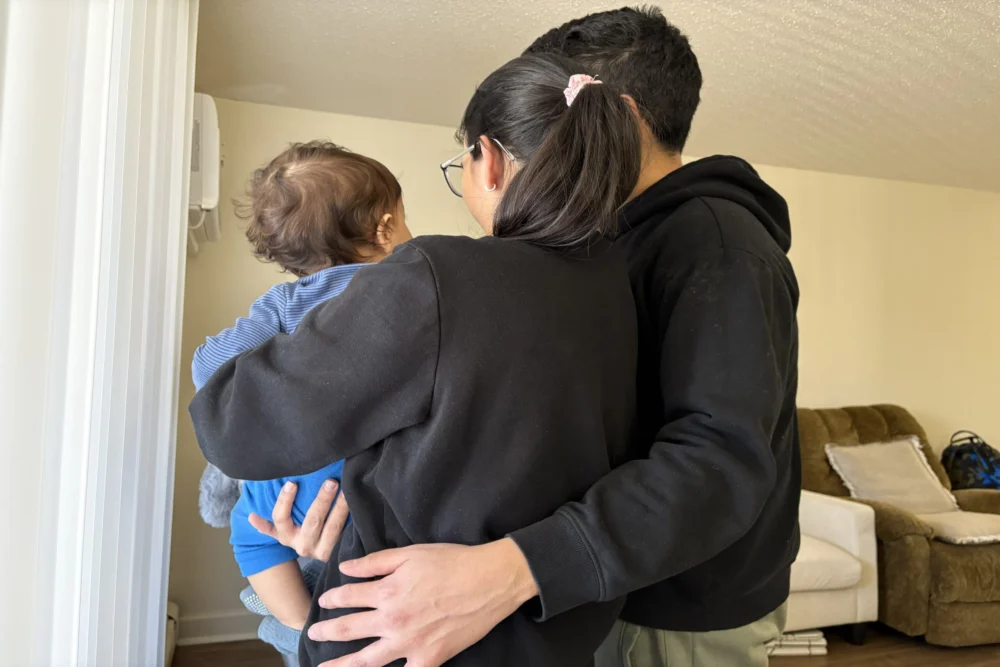
In Minneapolis, the story of Gabi, a two-year-old American citizen with osteogenesis imperfecta, a genetic condition causing brittle bones, underscores the devastating reach of this fear. Her mother, paralyzed by anxiety after federal immigration agents deported Gabi’s father and aunt, was forced to cancel a crucial surgery scheduled for January that offered her daughter the best chance of walking. The mother’s fear is so profound that even routine errands like taking out the trash feel fraught with peril, let alone traversing the city to reach the hospital. Gabi, reliant on a feeding tube and IV support, faces delayed treatment for her condition, a direct consequence of the climate of intimidation. This situation, shared by KFF Health News and NPR under partial anonymity due to fear of reprisal, exemplifies a broader pattern where the specter of immigration enforcement directly compromises health outcomes.
The Department of Homeland Security (DHS) may have declared an end to "Operation Metro Surge" in Minnesota, but evidence suggests that immigration agents continue to maintain a presence in the vicinity of healthcare facilities, and aerial surveillance persists in agricultural areas where immigrant communities have settled. This ongoing enforcement presence, irrespective of official pronouncements, cultivates a deep-seated fear that permeates daily life for many. The operations in Minnesota, and similar crises unfolding in other cities like Dallas and Chicago, reveal the extensive surveillance and detention apparatus being leveraged by the Trump administration to dismantle immigrant communities. The impact on the healthcare system has been stark, with significant drops in clinic visits and vaccination rates observed across the country.
In Minnesota, healthcare systems have reported cancellation and no-show rates as high as 60% since December. While a DHS spokesperson attributed these disruptions to protestors, healthcare providers and community advocates paint a different picture, one of pervasive fear driving patients away from care. The disruption to healthcare access is not an isolated incident but a national trend. In Dallas, public health clinics administered approximately 6,000 vaccines to Latinos in August, a substantial decrease from the previous year. Similarly, in Chicago, doctors have had to reroute patients daily based on ICE activity in the area.
Community Health Networks Adapt to Deliver Care Under Duress
In response to this crisis, healthcare professionals and community leaders are developing innovative, albeit clandestine, methods to ensure vulnerable populations receive care. While public protests against immigration operations have occurred, a parallel movement of healthcare providers has been silently organizing informal medical networks to deliver care in patients’ homes, aiming to circumvent detection. Emily Carroll, a nurse practitioner with HealthFinders Collaborative, a community clinic in Faribault, describes a fundamental shift in her ability to reassure patients. "I used to look someone in the eye and say, in good faith, ‘You’ll be okay at the hospital.’ But now I can’t guarantee that," she stated.
The need for such informal networks is echoed by Minnesota State Senator Alice Mann, a physician, who urges healthcare providers to prepare for continued enforcement actions. "I know it sounds strange," she admitted, "but health providers need to start a clandestine network to bring medical care into homes. Because letting people die in their homes or be on the brink of death for fear of going to the hospital, in 2026, is unacceptable."
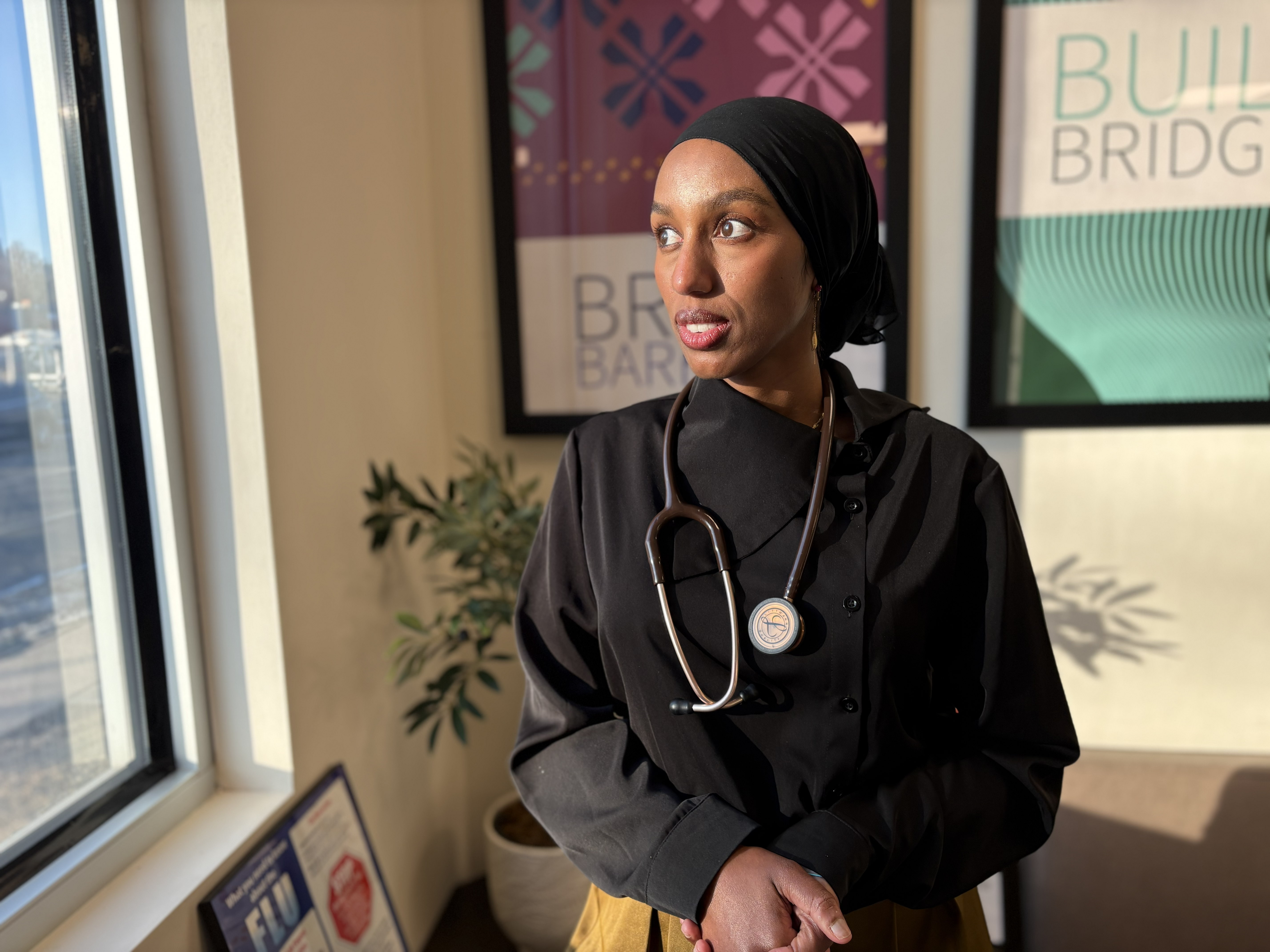
This grassroots approach to healthcare delivery is proving essential in communities where fear of deportation has led to a significant decline in clinic visits. In Los Angeles, St. John’s Community Health has provided medical care to approximately 2,000 immigrant families who were too frightened to leave their homes during a period of heightened immigration enforcement. Jim Mangia, president of the organization, noted that no-show rates at the clinic had exceeded 30%. While many large Minnesota health institutions have turned to telemedicine, some, like Munira Maalimisaq, co-founder of Inspire Change Clinic in Minneapolis, recognized the limitations of virtual care and the urgent need for in-person interventions. After witnessing a third of her patients stop attending appointments, Maalimisaq initiated a volunteer "rapid response" team of around 150 doctors and nurses who have since conducted over 135 home visits.
One such visit involved a pregnant woman in labor whose husband had been deported. Maalimisaq and a volunteer obstetrician arrived to find the woman at 8 centimeters dilation, expressing a desire to deliver at home. While not an ideal scenario, Maalimisaq convinced her to go to the hospital, personally driving her in her Tesla. The swift intervention ensured a safe delivery, highlighting the critical role of these informal networks in preventing potential tragedies. Beyond childbirth, Maalimisaq has witnessed the severe psychological toll of this fear, with patients exhibiting extreme stress and even rationing essential medication for children experiencing seizures.
DHS Claims of Public Safety vs. Statistical Realities
The Department of Homeland Security (DHS) maintains that its operations, such as the "Operation Metro Surge" in Minnesota, have enhanced public safety by apprehending individuals with criminal records. Tricia McLaughlin, a DHS spokesperson, stated that over 4,000 undocumented immigrants with criminal histories, including murderers and sex offenders, were arrested. However, data from DHS itself reveals a different picture. In January, only 29% of ICE arrests nationwide were of individuals with criminal convictions, and a significantly smaller proportion had been convicted of violent crimes. This suggests that the broad sweeps of enforcement actions may be sweeping up individuals with less severe backgrounds, while simultaneously creating widespread fear that impacts healthcare access for all immigrants, regardless of their criminal history.
Erosion of Protections and Pervasive Surveillance
The erosion of protections for immigrants, including the reversal of a 2011 policy that restricted immigration enforcement in "sensitive locations" like schools and hospitals, has further exacerbated the climate of fear. Reports from Northfield, Minnesota, describe ICE agents loitering near health clinics and making arrests daily, forcing volunteers to transport children to and from school to shield them from potential encounters. While DHS denies conducting operations at hospitals, the visible presence of agents in the vicinity of healthcare facilities creates an undeniable chilling effect.
The use of drones for surveillance over trailer parks, where many immigrants reside, adds another layer of intimidation. Families resort to covering windows, a stark symbol of their feeling of being constantly watched and unsafe. This pervasive surveillance contributes to a profound sense of unease, impacting not only mental well-being but also physical health. Patients with chronic conditions like diabetes and heart disease are skipping essential check-ups, leading to worsening symptoms and increased health risks. Clinics are stepping in to provide essential services like medication and food delivery, and volunteers are providing transportation for students, underscoring the breakdown of traditional healthcare access.
Community Solidarity and the Resilience of Care
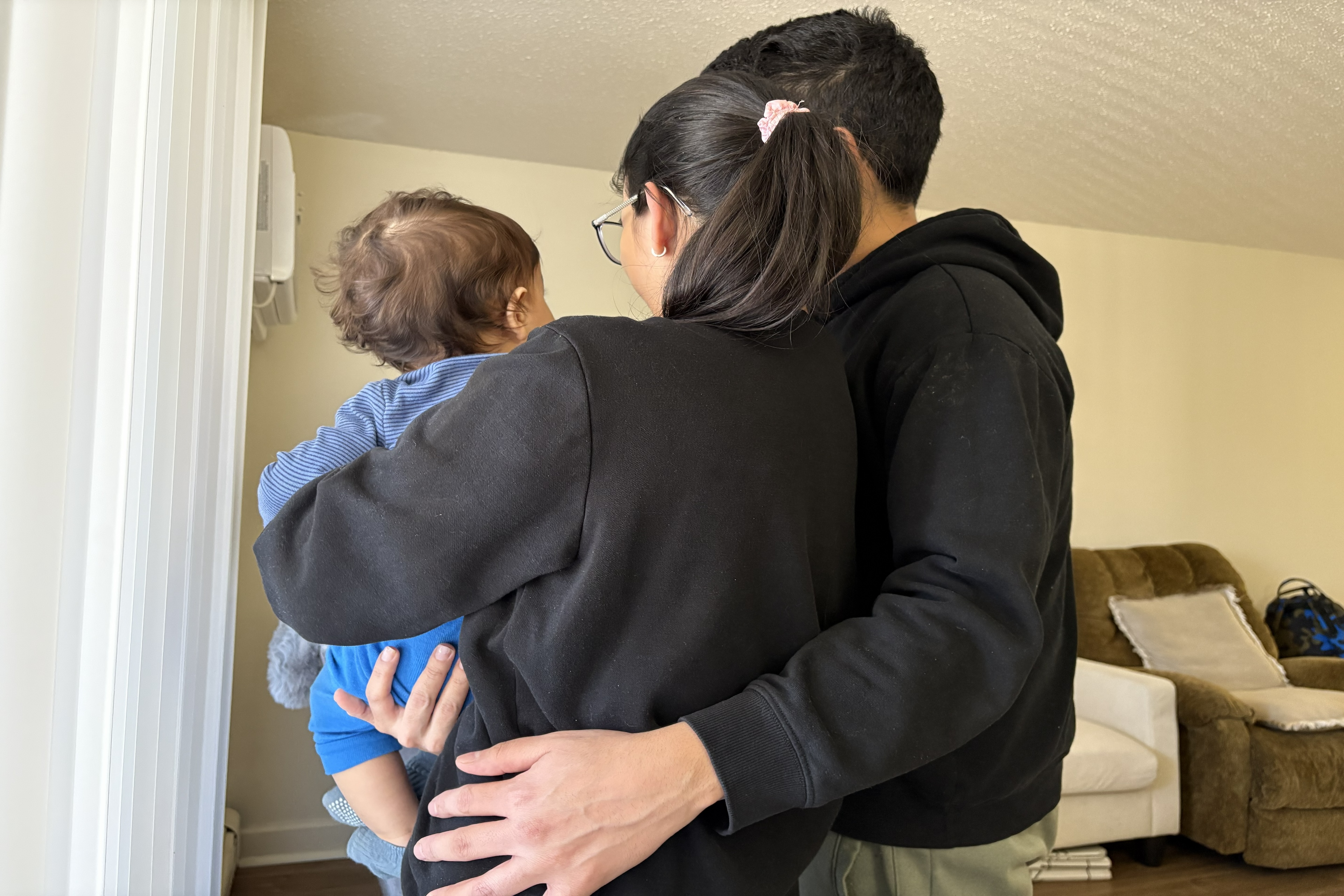
Despite the challenges, communities are demonstrating remarkable resilience and solidarity. In Minneapolis, nurse-midwife Fernanda Honebrink prefers to describe the efforts not as a "clandestine medical network" but as a reflection of Minnesota’s cooperative spirit. "We are kind to each other," she stated. Honebrink’s dedication is evident in her efforts to coordinate care for families who are afraid to leave their homes. She recently helped a Venezuelan couple, Alex and Isa, who entered the U.S. under a humanitarian parole program that has since been terminated. They had not left their apartment in over a month, torn between their child’s medical needs and the fear of deportation. The psychological toll of this constant threat is immense, as Alex described it as "a psychological attack," citing the possibility of family separation.
Isa, a lawyer in Venezuela, suffers from postpartum depression and fears being separated from her American-born son. The state program that provided health insurance to all immigrants ended on January 1st, leaving her reliant on occasional pro bono therapy. The prospect of signing a form to designate temporary custody of her son in case of her deportation was deeply distressing, a fear that Honebrink alleviated by agreeing to be the designated guardian. Honebrink’s commitment extends to coordinating appointments and ensuring safe transportation, exemplified by her success in getting the baby vaccinated.
However, the underlying issues remain unresolved. Gabi’s surgery has been rescheduled for August, and her mother hopes that by then, it will be safe to venture out. The profound fear of leaving home, of encountering immigration authorities, and of experiencing mistreatment has transformed their lives. The plea for this period of intense enforcement to end quickly reflects a deep yearning for a return to normalcy, where seeking medical care is not a risk of deportation but a fundamental right. The current climate not only jeopardizes the physical health of individuals but also erodes the social fabric, forcing communities to operate in a state of constant vigilance and fear.
