
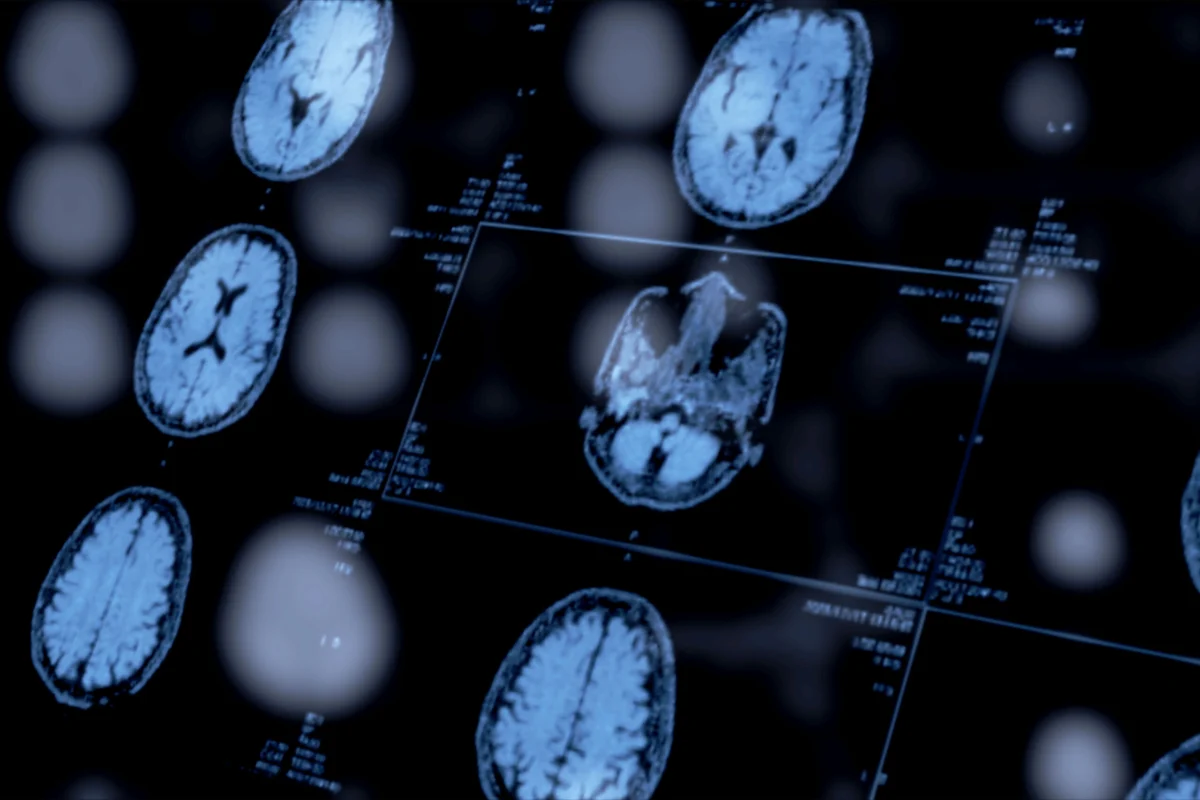
"The integration of biomarkers into psychiatric diagnostics promises a future where mental health conditions are understood and treated with the precision of other medical specialties, moving beyond symptom-based assessments to biologically informed care."
For decades, the diagnosis and treatment of mental health conditions have largely relied on observable symptoms and subjective patient reports. This approach, while foundational, has often led to lengthy diagnostic processes, trial-and-error medication regimens, and a degree of uncertainty for both clinicians and patients. However, a significant paradigm shift is on the horizon, signaled by the American Psychiatric Association’s exploration of incorporating biomarkers into the Diagnostic and Statistical Manual of Mental Disorders (DSM). This move signifies a crucial step toward a more objective, biologically grounded approach to mental healthcare, potentially transforming how we understand, diagnose, and treat a wide spectrum of psychiatric conditions.
Amanda Miller’s personal journey exemplifies the challenges and the burgeoning hope associated with this evolving landscape. A neuroscientist, Miller experienced a severe bout of depression during her second pregnancy, which worsened post-partum and was accompanied by a constellation of unexplained physical ailments. Despite consulting multiple psychiatrists and enduring a two-year trial of various antidepressants and antipsychotics with no relief, her breakthrough came not from psychiatric avenues, but from her primary care physician identifying elevated levels of an autoimmune marker in her blood. A subsequent, comprehensive workup by a specialist revealed lupus, an autoimmune disease. Treatment with a steroid to reduce inflammation brought rapid improvement, with some symptoms subsiding within hours and her depression significantly abating shortly thereafter. This experience left Miller contemplating the profound impact inflammation may have had on her mental health, a connection her psychiatric providers had not explored.
Miller’s case underscores a critical disparity in medical practice: while many medical specialties routinely employ objective diagnostic tools like blood tests, imaging studies, and biopsies, mental health has historically been diagnosed based primarily on clinical observation of symptoms. The American Psychiatric Association’s recent contemplation of integrating biomarkers—biological indicators of disease detectable through diagnostic tests—into future editions of the DSM signals a potential end to this dichotomy. The DSM, often referred to as "psychiatry’s Bible," serves as the authoritative guide for diagnostic criteria, influencing clinical evaluations and insurance coverage decisions. Its potential evolution to include biomarkers could usher in an era of more precise and effective mental healthcare.
The concept of using biomarkers in psychiatry is not new, having been a subject of research for decades, yet widespread clinical adoption has been slow due to a need for more robust and validated evidence. The APA’s January document acknowledges this, emphasizing the necessity for "coordinated" research to establish the validity and reliability of these biological measures for patient care. Beyond scientific validation, researchers and policymakers are also grappling with the potential impact of biomarker integration on healthcare costs, insurance coverage, and patient privacy.
Jonathan Alpert, a key author of the APA document and vice-chair of the association’s DSM Strategic Planning Committee, highlights the transformative potential of incorporating biomarkers. He suggests that access to test results, combined with symptom assessment, could expedite insurance coverage decisions and enable clinicians to make more rapid and accurate diagnoses and treatment recommendations. The ability to identify a patient’s biological predisposition to respond better to specific treatments could allow for immediate initiation of the most effective therapeutic course, moving away from the current "trial and error" approach.
Matthew Eisenberg, director of the Center for Mental Health and Addiction Policy Studies at Johns Hopkins Bloomberg School of Public Health, elaborates on the uncertainty inherent in current psychiatric prescribing. He notes that predicting a patient’s response to psychiatric medications can be challenging. This is supported by findings from seminal studies, such as a National Institute of Mental Health-funded trial from the early 2000s, which indicated that only about 30% of individuals with depression experienced symptom remission with their first antidepressant. More recent analyses have even suggested that the efficacy rates may be lower than initially reported. This prolonged process of trying different treatments can lead to ineffective prescriptions and unnecessary patient suffering, a point that has drawn criticism from various health advocates.
Concerns about the overprescription of psychiatric medications, particularly in children, have been voiced by figures such as Robert F. Kennedy Jr., who has been critical of antidepressants and their potential links to violence. The Department of Health and Human Services (HHS) is actively reviewing diagnostic and prescribing trends in psychiatry and exploring alternative mental health treatment approaches, with a particular focus on pediatric care. While the HHS has not directly addressed past controversial statements by Kennedy, their ongoing evaluation indicates a broader institutional interest in refining mental health interventions.
The utility of biomarkers is already well-established in other medical fields, notably oncology, where they guide targeted therapies. Several states, including Arizona, Georgia, Kentucky, and Texas, mandate that insurers cover biomarker testing. Similarly, blood tests and imaging are instrumental in diagnosing conditions like Alzheimer’s disease. The APA’s document outlines potential future applications for psychiatric biomarkers, including tests assessing brain activity, genetic profiles, and immunological markers associated with conditions like schizophrenia and addiction.
For depression, research has shown that approximately a quarter of patients exhibit elevated levels of C-reactive protein (CRP), an inflammatory marker detectable through a blood test. Studies suggest that individuals with high CRP levels may respond better to treatments that modulate dopamine pathways rather than solely relying on selective serotonin reuptake inhibitors (SSRIs), a common class of antidepressants. While CRP requires further robust validation as a definitive biomarker, it represents a promising avenue of investigation.
However, the path to widespread biomarker integration faces significant hurdles. The APA emphasizes the need for a "coordinated and well-funded" research effort to achieve the necessary validation. This is particularly concerning given past funding uncertainties, including budget cuts that have impacted federal research grants, such as those at the National Institute of Mental Health. Alpert stresses the critical need for sustained and active funding for mental health research, acknowledging the prevailing "uncertainties in the funding landscape."
The economic implications of integrating biomarkers are complex. While poorly managed mental illnesses contribute to higher healthcare costs through hospitalizations, outpatient visits, and medications, there is evidence suggesting that biomarker testing could lead to long-term cost savings by facilitating quicker identification of effective treatments and reducing the need for ineffective interventions. Modeling studies, such as one conducted in Canada, have projected significant savings from genetic testing for antidepressant efficacy in major depression. Similarly, a Spanish study found cost reductions for individuals with severe mental illness undergoing such testing.
Nonetheless, Eisenberg cautions that in the short term, the adoption of biomarker-driven approaches could initially increase healthcare expenditures due to the cost of the tests themselves. Insurers may be hesitant to cover these potentially expensive tests, and even after scientific evidence demonstrates their safety and efficacy, widespread coverage often lags. Furthermore, concerns about potential discrimination by insurers or employers based on individuals’ biological profiles, which might indicate a predisposition to neuro-psychiatric conditions, are a significant ethical consideration.
Gabriel Lázaro-Muñoz of Harvard Medical School’s Center for Bioethics emphasizes the urgency of addressing these issues through legislative measures that protect patients and educate clinicians on the appropriate use of these emerging tools. He expresses a view that the current psychiatric system may not yet be fully equipped to manage the complexities introduced by widespread biomarker use.
Andrew Miller, a professor of psychiatry and behavioral sciences at Emory University School of Medicine who studies inflammation-related depression, agrees that the mental health system is not entirely prepared for a full transition. However, he views the APA’s adoption of the biomarker concept as "the beginning of a revolution," acknowledging that current approaches have been insufficient and that significant improvements are possible. This shift represents a fundamental recognition within the field that a more precise, biologically informed approach is not only desirable but necessary to advance the quality of mental healthcare.
