
"The current situation reveals a deeply concerning pattern where the aggressive pursuit of immigration enforcement directly compromises the health and well-being of vulnerable individuals, potentially turning treatable conditions into life-threatening ones."
The escalating number of immigrants detained under the Trump administration’s expansive deportation policies has created a critical public health crisis within federal detention centers. These facilities, often overcrowded and understaffed, are failing to provide adequate medical care, leading to delayed diagnoses, untreated chronic conditions, and preventable deaths. The case of Fernando Viera Reyes, who was denied a timely biopsy for suspected prostate cancer while detained in the harsh conditions of the Mojave Desert, exemplifies the systemic breakdown in healthcare delivery within these centers.
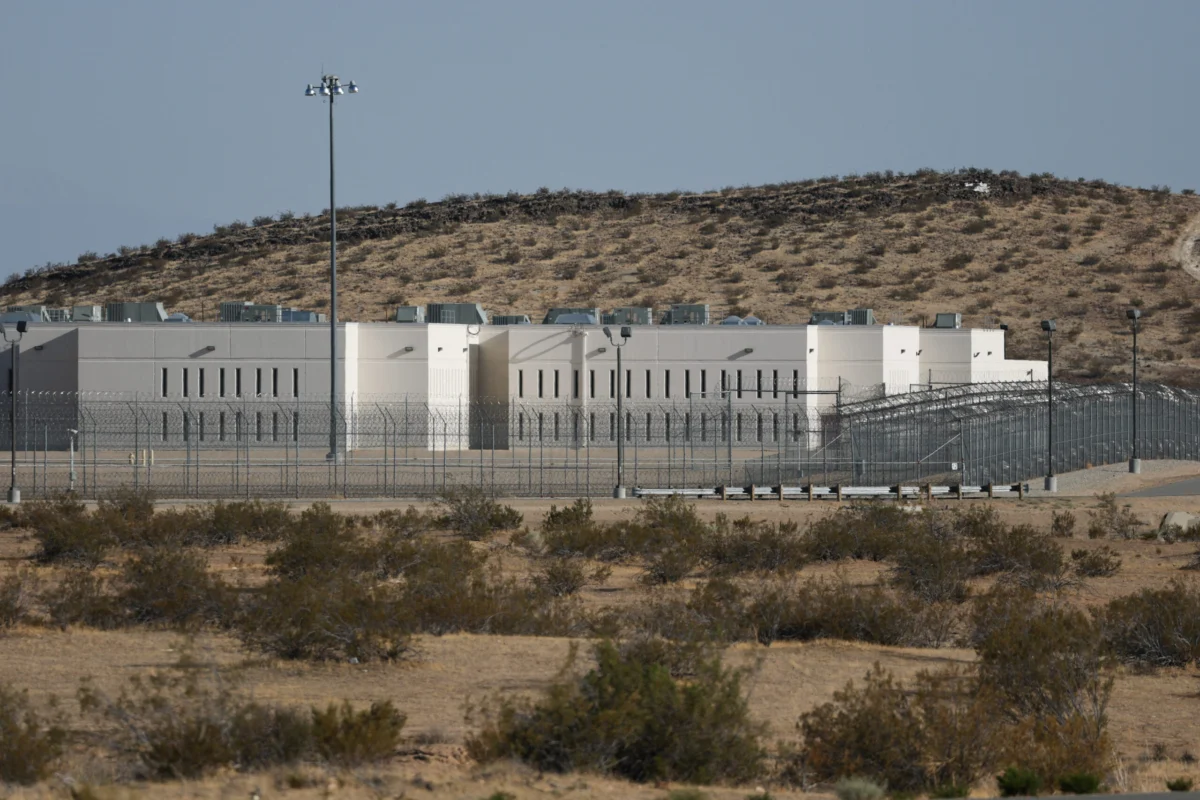
Fernando Viera Reyes, now 51, was seeking a biopsy for a suspected prostate cancer diagnosis when he was transferred to an immigration detention center in California’s Mojave Desert under the Trump administration’s policies. According to a lawsuit filed in November, Reyes repeatedly requested the crucial medical procedure, but months passed without it, despite the presence of blood in his urine – a potential indicator of cancer spread. Kyle Virgien, an attorney with the ACLU’s National Prison Project, expressed grave concern over the potential progression of Reyes’s condition, stating, "It may have gone from very treatable to metastatic." He further highlighted the broader issue, noting, "There are vulnerable populations; it’s overcrowded. There isn’t enough medical care to handle the increase in the number of sick people."
The sheer volume of individuals detained in federal, local, and private facilities has strained resources to a breaking point. A comprehensive review of over 200 pages of detainee complaints, independent investigative reports, academic publications, and recent congressional inquiries reveals that U.S. Immigration and Customs Enforcement (ICE) is frequently violating established norms for initial medical examinations, routine care, and timely responses to physical ailments. This systemic neglect is not only jeopardizing the health of those in detention but is also fueling political backlash against Trump’s aggressive deportation agenda, exacerbated by incidents such as the deaths of two U.S. citizens in Minneapolis.
Congressional Democrats have actively sought to curb the authority of federal immigration enforcement agents, proposing limitations within a 2026 spending bill for the Department of Homeland Security (DHS). This legislative deadlock threatens to significantly disrupt the agency’s operations. Despite repeated requests for comment, spokespersons for ICE, the ICE Health Service Corps (IHSC), DHS, and the White House have remained silent on these critical issues. The IHSC, tasked with evaluating health for deportation, overseeing medical standards in contracted facilities, and reimbursing external medical care, maintains on its website that it upholds medical care standards and ensures required services for detained aliens. However, ICE’s own website acknowledges that many detainees may not have had consistent access to medical care prior to detention, suggesting these facilities could be their first opportunity for comprehensive healthcare.
The concerns regarding inadequate medical attention are amplified by the persistent demands from Democratic members of Congress for autopsy reports of detainees who have died in custody. They have publicly accused ICE of denying essential medical access. Representative Kelly Morrison, a physician from Minnesota, described a detention center she visited at Fort Snelling as lacking basic medical standards and "actual medical care." She characterized the conditions as "alarming from a medical and public health perspective," detailing severe overcrowding, insufficient bedding, minimal food, freezing temperatures, and the constant presence of leg restraints, all contributing to a "chaotic, disorganized, and frankly, dangerous" environment.
Similarly, Representative Jasmine Crockett of Texas has vocally denounced the medical care provided to detainees, citing her visit to the Dilley Immigration Processing Center in South Texas after reports surfaced of a 5-year-old boy, Liam Conejo Ramos, developing a fever and being in poor health. Crockett stated that the treatment these individuals endure is "worse than those who are accused and sometimes even convicted of crimes." The Dilley center was subsequently closed by DHS following the detection of two measles cases, a significant concern given the vulnerability of children housed there to severe complications, including brain inflammation. Senator Chris Murphy of Connecticut accused the government of denying entry to Dilley in late January to conceal the measles outbreak. Further compounding these concerns, three measles cases were recently reported at a detention center in Florence, Arizona.
Public concern over the handling of immigration is mounting, with a recent Siena College and New York Times poll indicating that nearly 60% of voters disapprove of Trump’s immigration management. The level of healthcare provided to detained immigrants varies significantly based on their location of detention. While ICE detention standards apply to specific centers, including private prisons housing both inmates and detainees, separate standards govern facilities primarily holding adult immigrant detainees.
Despite these variations, a set of fundamental standards is expected. Upon arrival, immigrants should receive medical, dental, and mental health screenings. They should have daily access to medical consultations for illness, 24-hour emergency care, and other essential services, including preventive care, examinations, diagnosis, and treatment. These standards, last revised the previous year, are intended to "ensure that detainees are treated humanely; that they are protected from harm; receive adequate medical and mental health care; and are afforded the rights and protections to which they are entitled," according to ICE’s national standards.
However, the agency’s failure to adhere to its own regulations places detained immigrants at risk of medical emergencies, death, complications from untreated chronic conditions, and the contraction of contagious diseases. This is evidenced by lawsuits filed by advocates, congressional investigations led by Democrats, and state reports. The DHS has, in turn, contested some of these findings, including a report by Senator Jon Ossoff concerning pregnant women and children in detention. Tricia McLaughlin, a DHS spokesperson, asserted in an August statement that ICE detention centers maintain higher standards than most prisons holding U.S. citizens, and that all detainees receive comprehensive medical care and adequate meals. McLaughlin later announced her departure from her role.
Weakened Oversight, Strained Infrastructure
The availability of adequate healthcare services has been severely undermined by a surge in detainee numbers, a lack of oversight from the Trump administration, and significant delays in processing medical claims, all of which imperil care, according to advocates, legal professionals, and some physicians. "The challenges have been exacerbated because the pace of expulsions has not kept pace with the arrests. That compounds the problem," noted Drishti Pillai, associate director at KFF, emphasizing that overcrowded centers lead to greater public health issues.
The number of immigrants in detention has dramatically increased, rising from approximately 40,000 in November 2023 under the Biden administration to a record 73,000 by mid-January, according to the American Immigration Council. Concurrently, the Trump administration has weakened oversight of conditions and health services in detention centers. Staffing was reduced within the DHS Office of the Immigration Detention Ombudsman, effectively ceasing most of its operations, as analyzed by KFF and the Economic Policy Institute. The ombudsman’s mission, according to the agency, has been to "independently examine immigrant detention to promote safe and humane conditions." Currently, the DHS faces a partial government shutdown due to Democratic opposition to a funding bill that, as proposed by Republicans, would eliminate funding for the ombudsman entirely.
Furthermore, extensive delays plague the processing of medical care payments to external doctors and hospitals, a critical obstacle that jeopardizes care, according to both federal officials and advocates. The Department of Veterans Affairs’ Financial Services Center had a longstanding contract with ICE to process claims for care outside detention centers, such as oncology treatments or dialysis. However, congressional Republicans criticized this arrangement, arguing it diverted resources from veterans. In October, the VA ceased processing these claims. ICE documents indicated that this termination created an "emergency," compromising the agency’s ability to reimburse providers and leaving it without a mechanism for essential services like tuberculosis testing, non-emergency medical transportation, and the procurement of medical equipment.
Publicly available, partially redacted documents from late 2025 highlight the urgency, stating, "It is an absolute emergency that ICE get immediate support processing claims because the lack of this support will delay critical medical care… such as dialysis, prenatal care, oncology, chemotherapy, etc." A new claims processor, Acentra Health, has been contracted, but ICE’s website indicates no claims will be processed until April 30. Advocates express uncertainty regarding detainees’ access to necessary external care and note that these delays are discouraging medical providers from offering services to immigrants. Pete Kasperowicz, a VA spokesperson, stated that the VA is supporting the transition until May to ensure proper claims processing.
Deaths in Custody
ICE reports eight detainee deaths in custody thus far in 2026, following 33 deaths in 2025 and 11 in 2024. However, some advocates and lawmakers question these figures, suggesting they exclude deaths occurring during arrest or under the care of U.S. Customs and Border Protection (CBP). Democrats on the House Homeland Security Committee assert that 53 individuals have died in ICE or CBP custody since Trump took office and are demanding information from DHS, including autopsy reports, staffing requirements for medical professionals, and video recordings related to a detainee’s death in Texas.
A letter signed by 13 lawmakers on January 22 expressed outrage over these deaths, stating, "It is clear and tragic that ICE is unwilling or unable to provide basic care to detainees." The Democrats specifically pointed to the death of Geraldo Lunas Campos, a 55-year-old Cuban national who died on January 3 at a detention facility in Fort Bliss, Texas, after ICE reported a medical emergency. Campos had been detained for nearly six months. ICE stated on January 9 that emergency care is never denied to a detained alien. However, the El Paso County Medical Examiner’s Office determined Campos’s death to be a homicide resulting from restraint by law enforcement.
Meanwhile, other immigrants continue to await essential medical attention. Reyes, awaiting biopsy results for his suspected prostate cancer, had undergone the test by early February but had not yet received the results. The lawsuit filed in the Northern District of California states he is in "constant and agonizing pain." On February 10, a federal judge ordered ICE and DHS to provide constitutionally adequate medical care to detainees and to conduct external oversight, including on-site inspections of the detention center.
