
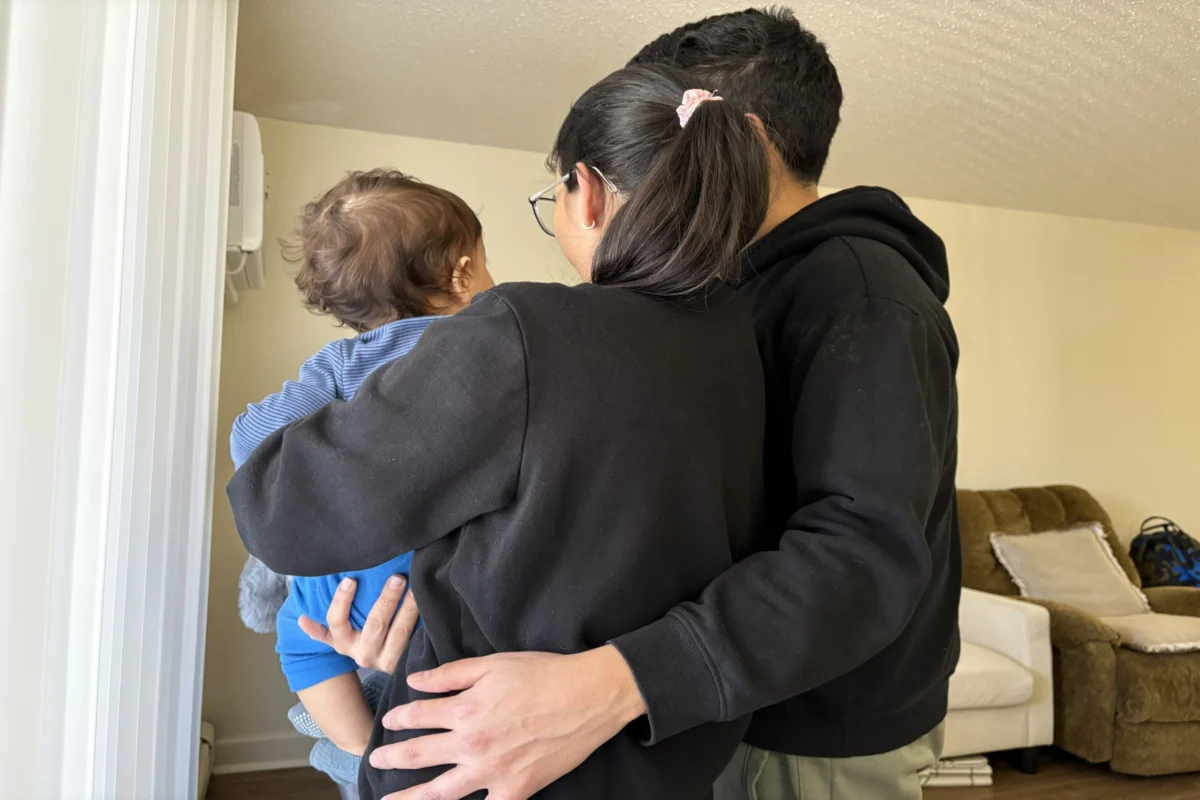
"The fear of leaving the house is so profound that it prevents individuals from seeking essential medical care, leading to deteriorating health and the potential for preventable suffering and death."
The pervasive fear instilled by immigration enforcement operations, even after official crackdowns have ended, is creating a profound public health crisis. Families are increasingly isolating themselves, opting to forgo crucial medical appointments, screenings, and treatments due to the constant threat of detention and deportation. This pervasive anxiety is not only hindering access to routine care but is also exacerbating chronic conditions and creating new barriers to maternal and child health, forcing healthcare providers to develop innovative, often clandestine, methods to reach vulnerable populations.
The chilling effect of immigration enforcement on healthcare access is starkly illustrated by the case of Gabi, a two-year-old American citizen with a rare genetic condition causing brittle bones. Her mother, consumed by fear after federal agents deported Gabi’s father and aunt, canceled a critical surgery scheduled for January. This surgery, along with vital physical therapy, was Gabi’s best chance to walk. The mother’s anxiety is so severe that even routine errands like taking out the trash feel perilous, let alone navigating the city to reach the hospital. "More than anything, my wish is for my baby to start walking," she lamented, cradling Gabi, whose feeding tube connected to an IV stand. "But with the situation we are in, I canceled the surgery appointment because they were going to operate on her legs and all the physical therapy appointments; I canceled everything. Because I am afraid to go out." This fear, amplified by the ongoing presence of immigration agents in public spaces, underscores a systemic breakdown in trust between immigrant communities and healthcare systems.
The Department of Homeland Security (DHS) declared an end to "Operation Metro Surge," a significant immigration enforcement initiative in Minnesota involving Immigration and Customs Enforcement (ICE) and Customs and Border Protection (CBP) agents. However, healthcare workers report that immigration agents continue to patrol hospital parking lots, and drones hover over agricultural areas on the outskirts of Minneapolis. This sustained presence has created an environment of heightened surveillance and fear, particularly among Somali and Latino immigrant communities who have established themselves in these regions. The operation in Minnesota highlighted the extensive reach of the Trump administration’s surveillance and detention apparatus, designed to dismantle immigrant communities and its profound impact on the healthcare infrastructure.
Similar health crises have emerged across the country wherever immigration officials have concentrated their efforts. In Dallas, public health clinics administered approximately 6,000 vaccinations to Latinos in August, a stark decrease from a similar program a year prior. In Chicago, doctors have been forced to redirect patients between clinics daily, adapting their schedules based on ICE activity. Across the nation, immigration raids have led to a significant reduction in immigrant visits to healthcare services.
Minnesota’s healthcare systems have reported cancellation and no-show rates as high as 60% since December. A DHS spokesperson attributed these disruptions to protesters, stating, "If someone is preventing Americans from attending appointments or picking up prescriptions, it is a violent agitator who is blocking roads, ramming vehicles, and damaging property." This assertion deflects from the direct impact of enforcement actions on the healthcare-seeking behavior of immigrant populations. While residents protested the operation publicly, healthcare professionals have quietly organized informal medical networks to provide care in patients’ homes, thereby avoiding detection.
"I used to look someone in the eye and say, in good faith, ‘You’ll be okay at the hospital,’" said Emily Carroll, a nurse practitioner with HealthFinders Collaborative, a community clinic in Faribault, Minnesota. "But now I cannot guarantee that." The implications of this diminished assurance are far-reaching, impacting the management of chronic diseases and the timely treatment of acute illnesses. As federal agents withdraw from Minneapolis, state senator and physician Dr. Alice Mann urges other communities to prepare. "I know it sounds strange," she stated, "but healthcare providers need to start an underground network to bring medical attention to homes. Because letting people die in their homes or be on the verge of death from fear of going to the hospital, in 2026, is unacceptable."
The damage caused by these enforcement actions is multifaceted. Doctors contend that home visits may become the sole avenue for reaching individuals who feel perpetually threatened. In Los Angeles, St. John’s Community Health has provided medical care to approximately 2,000 immigrant families since June who were too frightened to leave their homes during an immigration operation, following a more than 30% increase in missed appointments, according to Jim Mangia, the organization’s president. While many large Minnesota healthcare institutions have turned to telemedicine, they have reduced in-home care, a crucial service for many vulnerable patients.
However, not all institutions have abandoned home-based care. Munira Maalimisaq, co-founder of Inspire Change Clinic in Minneapolis, observed a significant drop in patient attendance and initiated a "rapid response" team of about 150 volunteer doctors and nurses to conduct home visits. This initiative has resulted in over 135 home visits to date. One of their earliest calls involved a woman in labor whose husband had been deported. Maalimisaq and a volunteer obstetrician responded, and despite the woman’s initial reluctance to go to the hospital, they convinced her to accept transport to the hospital, averting a potentially dangerous home birth. This proactive intervention highlights the critical role of community-based healthcare in overcoming the barriers created by fear.
Beyond emergency situations, the stress and fear experienced by these families manifest in visible ways. Maalimisaq recounted witnessing individuals "so stressed they were pulling their hair out." She also encountered a mother rationing her son’s anti-seizure medication, despite the child experiencing "seizure after seizure." These anecdotes paint a grim picture of the psychological and physical toll exacted by the climate of fear.
The Trump administration maintains that its Minnesota operation enhanced public safety. Tricia McLaughlin, a DHS spokesperson, stated, "Since the launch of Operation Metro Surge, our brave DHS agents have arrested over 4,000 undocumented aliens with criminal histories, including murderers, rapists, pedophiles, and extremely dangerous individuals." However, correctional officials in Minnesota reported that many individuals accused of crimes were directly handed over to ICE by state or county prisons. Furthermore, national data from the DHS revealed that in January, only 29% of ICE arrests nationwide involved individuals with criminal convictions, and a significantly smaller portion had been convicted of violent offenses. This data suggests a discrepancy between the administration’s claims of targeting dangerous criminals and the reality of who is being apprehended.
The policy landscape has further exacerbated these issues. On his first day of his second term, President Donald Trump rescinded a 2011 policy that prohibited immigration enforcement in "sensitive locations" such as churches, schools, and hospitals. This policy change has emboldened immigration agents and intensified fear within communities. In Northfield, Minnesota, ICE agents have been observed parked outside health clinics, including one operated by the local hospital, at least twice a week. Arrests in the area have reportedly occurred almost daily. While McLaughlin asserted that "ICE does not conduct operations at hospitals, period," the visible presence of agents in close proximity to healthcare facilities creates an undeniable chilling effect.
The strategy of deterrence extends to other community spaces. Three ICE vehicles were recently observed in the parking lot of a Baptist church across from an elementary school in Northfield. Volunteers have resorted to transporting immigrant children to and from school to shield parents from potential encounters. McLaughlin stated, "ICE is not going to schools to arrest children; we are protecting children," yet the presence of enforcement vehicles in such sensitive areas fosters an atmosphere of constant apprehension. Drones have also become a nightly presence, sometimes flying during the day over a mobile home park primarily inhabited by immigrants working in agriculture and manufacturing. Families have resorted to covering their windows with paper, an act that signifies their feeling of being under constant siege. "You can’t feel safe anywhere," Carroll observed. "Walking to school, walking to the clinic, you can run into ICE. The fear and the sense of being trapped that these families live in is unacceptable."
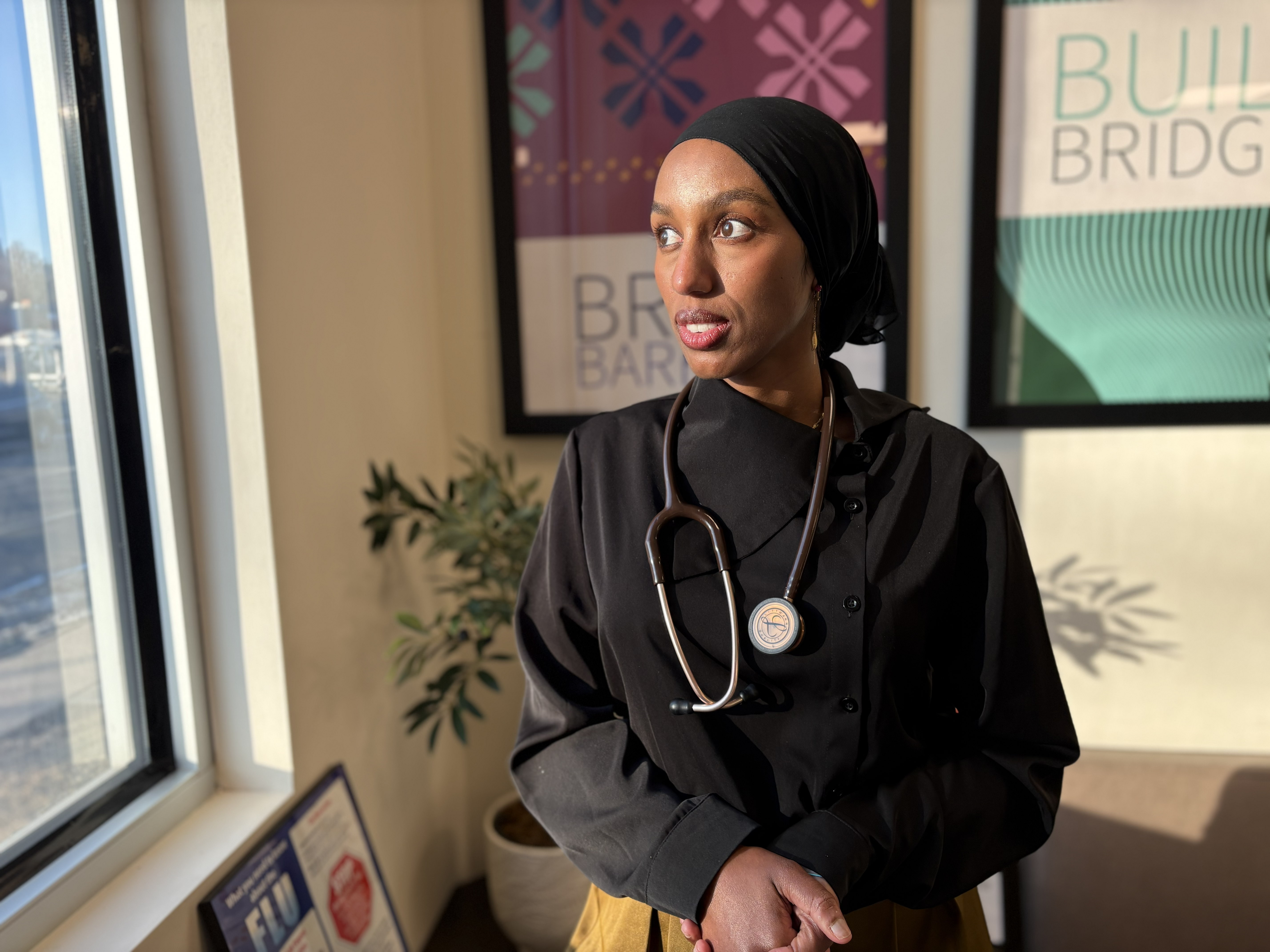
This pervasive fear has tangible health consequences. Patients with chronic conditions such as diabetes and heart disease are missing crucial blood sugar and anticoagulant monitoring appointments. Lack of physical activity and delayed treatment is leading to a worsening of chronic illnesses. At the Faribault clinic, staff are resorting to delivering medications, food, and other necessities directly to patients. One employee transports 12 middle and high school students daily in a clinic van. Some patients receive in-home care. Carroll recently diagnosed an infant with influenza, advising parents to seek hospital care if the child experienced breathing difficulties, loss of appetite, or reduced diaper output, while acknowledging, "I cannot promise it will be safe. But you have to go."
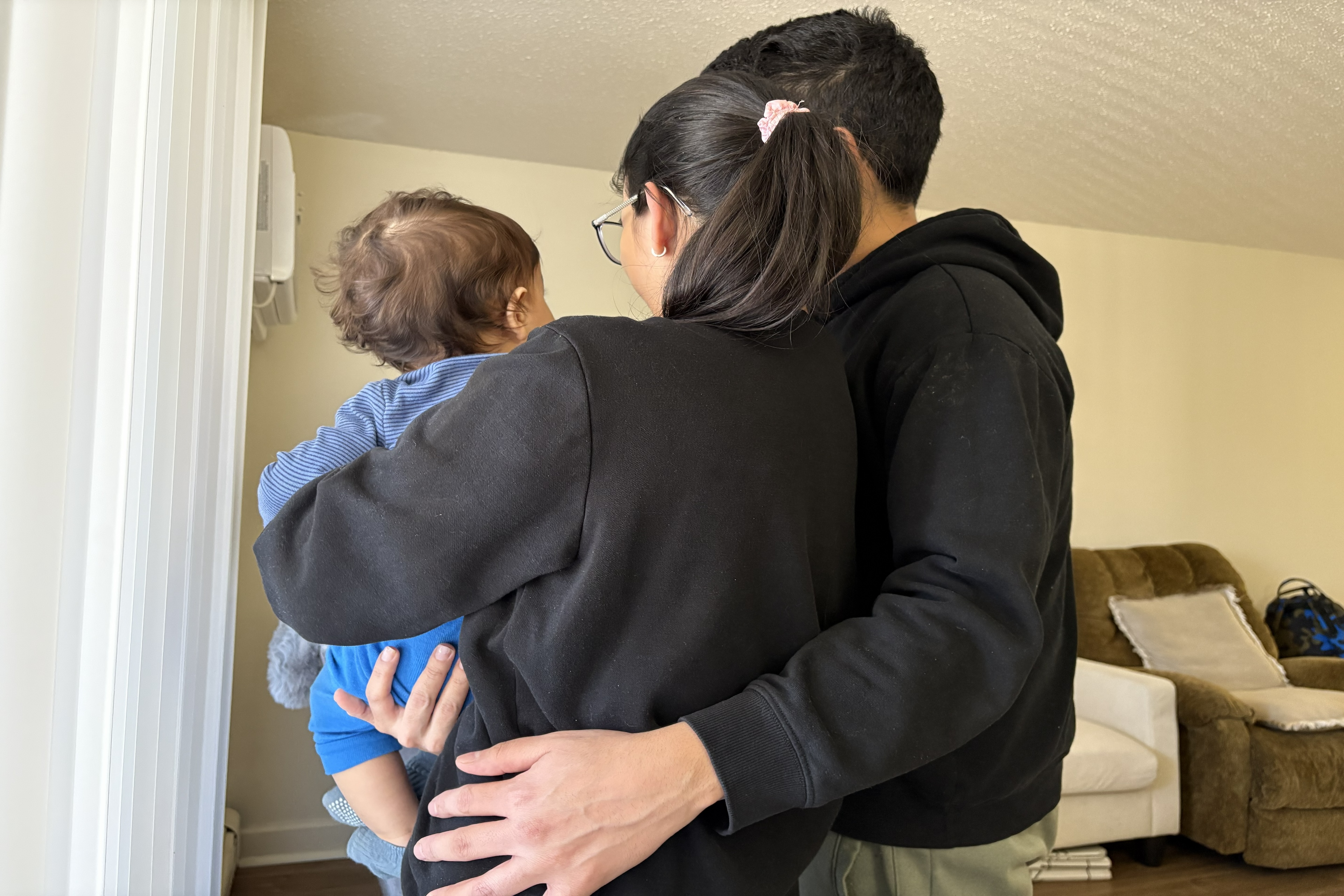
In Minneapolis, certified nurse-midwife Fernanda Honebrink prefers to describe her efforts not as a "clandestine medical network" but as "how we function in Minnesota." She explains, "We are kind to each other." Honebrink, an American citizen who immigrated from Ecuador 23 years ago, dedicates much of her time to coordinating care for a growing population of fearful individuals who remain homebound. She recently visited a family with a one-year-old infant, Alex and Isa, Venezuelan immigrants who entered the U.S. under a now-defunct Humanitarian Parole program. They have not left their apartment in over a month, torn between their child’s need for vaccinations and the overwhelming fear of not returning. "You don’t know what is more important: leaving for his well-being or leaving thinking maybe you won’t come back," Alex said.
The psychological toll is immense. Alex described the situation as "a psychological attack" and the "possibility of being separated from your family." Isa, a lawyer in Venezuela, suffers from postpartum depression, exacerbated by weeks of confinement. The state program that provided health insurance for all immigrants ended on January 1st, leaving her reliant on occasional pro-bono therapy calls. She attempts to support her family by selling homemade baked goods and jewelry and babysitting. Her deepest fear is separation from her U.S.-born son, a fear heightened by the suggestion that she sign a form designating temporary guardianship in case of deportation. "It was something I never imagined," Isa wept. "He’s my baby! He’s not someone else’s! What? My baby would stay here with someone else?"
Honebrink immediately intervened, offering to take responsibility for the child and signing the necessary form. She later confided to a reporter that she had initially told her husband she wouldn’t do it, having already sponsored four children. After leaving the apartment, Honebrink resumed her coordination efforts, securing a new appointment for the infant and finding a verified driver to transport the family, noting, "A white person." Two days later, she shared a photo of the infant with a bandage on his leg, texting, "He received his vaccinations. I am very happy."
However, other medical needs remain unresolved with such expediency. In February, Honebrink visited Gabi and her mother, her car trunk filled with donated wipes, diapers, and toys. Gabi’s surgery has been rescheduled for August, with her mother hoping that it will be safe to leave home by then. "Before, I used to take the children to the park, but now we don’t go out at all," she said. "They grab people and mistreat them. It’s scary to go out. I hope what is happening ends soon!" The ongoing fear and uncertainty underscore the profound and lasting impact of immigration enforcement policies on the health and well-being of vulnerable communities.
Jackie Forté, of KFF Health News, contributed to this article.
