
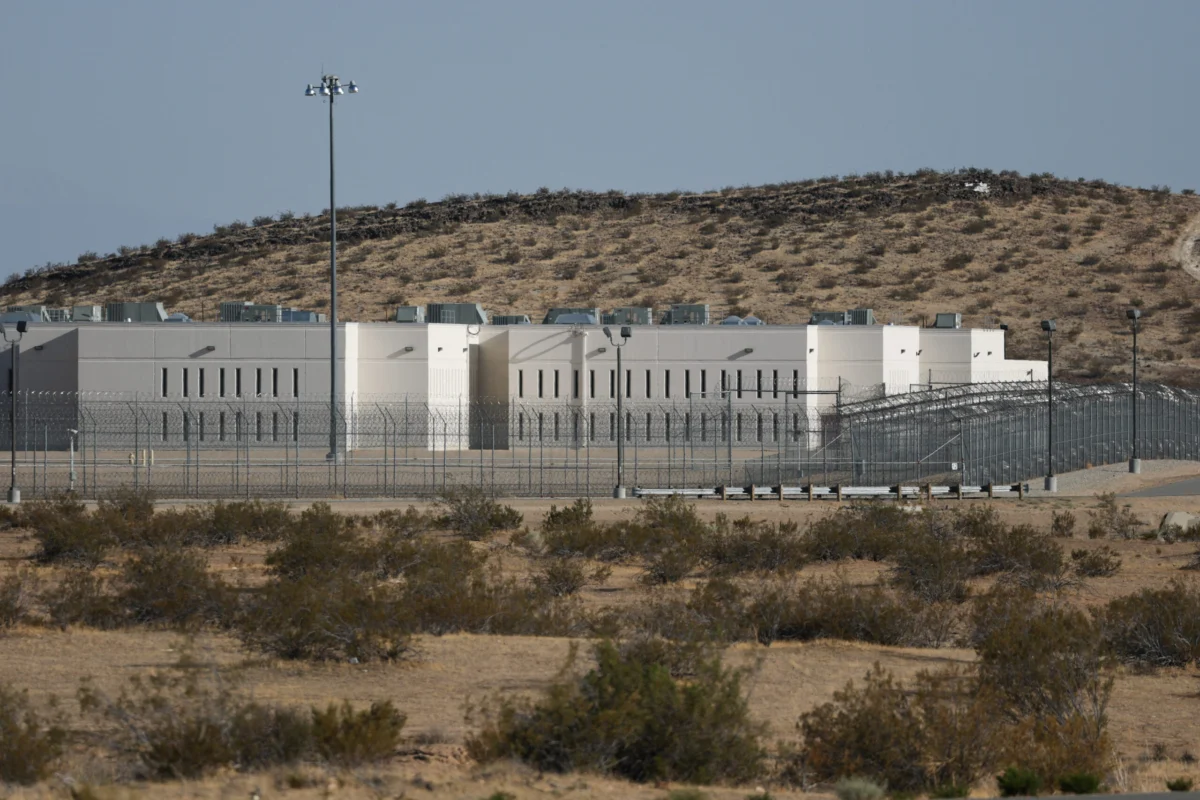
"The U.S. immigration detention system is facing a critical health crisis, with vulnerable populations enduring inadequate medical care, overcrowded conditions, and delayed treatments that can have life-threatening consequences."
The health and well-being of individuals detained within the U.S. immigration system are under severe scrutiny, as reports and lawsuits reveal a pattern of inadequate medical care. From critical diagnostic procedures being delayed to the spread of infectious diseases, the system appears to be failing to meet basic humanitarian standards, raising profound ethical and public health concerns. This crisis is exacerbated by an unprecedented surge in detentions, strained resources, and a perceived weakening of oversight mechanisms, all contributing to a growing backlog of untreated conditions and a climate of fear among those held.
Fernando Viera Reyes, a 51-year-old man facing a potential prostate cancer diagnosis, exemplifies the systemic failures within the immigration detention network. His urgent need for a biopsy, a crucial step in early cancer detection and treatment, was met with months of delay after his transfer to an ICE detention center in California’s Mojave Desert. This prolonged wait, coupled with the presence of blood in his urine—a red flag for cancer metastasis—underscores the potentially devastating impact of delayed medical attention. Kyle Virgien, an attorney with the ACLU’s National Prison Project, highlighted the gravity of such delays, stating, "It may have gone from very treatable to metastatic." He further characterized the detention facilities as overcrowded environments with insufficient medical staffing to manage the growing number of sick individuals, pointing to a systemic vulnerability.
The Trump administration’s aggressive deportation agenda has led to record numbers of immigrants being held in federal, local, and private detention facilities. This surge in population places an immense strain on the existing healthcare infrastructure within these centers, leading to a heightened risk of health emergencies for detainees. A comprehensive review of over 200 pages of detainee lawsuits, independent investigative reports, and academic publications, alongside recent Congressional investigations by Democrats, indicates that U.S. Immigration and Customs Enforcement (ICE) may be violating established protocols designed to ensure timely medical examinations, routine care, and prompt responses to physical complaints.
Concerns over inadequate medical care in detention centers are escalating, potentially fueling political backlash against the administration’s expansive deportation policies. Recent incidents, including the tragic deaths of two U.S. citizens in Minneapolis, have intensified scrutiny. Democratic members of Congress have actively sought to impose limitations on federal immigration enforcement agents, proposing measures within a 2026 spending bill for the Department of Homeland Security (DHS). This legislative deadlock threatens to significantly impact the agency’s operations.
Despite repeated requests for comment, spokespersons for ICE, the ICE Health Service Corps (IHSC), DHS, and the White House have remained silent. The IHSC, responsible for assessing health for deportation and overseeing medical standards in contracted facilities, states on its website that it "maintains standards of medical care in all ICE-owned and contracted facilities and ensures the provision of required medical care for detained aliens." Conversely, ICE’s website acknowledges that "many aliens may not have received recent or reliable medical treatment for existing conditions prior to entering ICE custody. For some individuals, this may be their first opportunity for comprehensive medical care." This duality in messaging highlights a potential disconnect between stated policy and ground-level realities.
Congressional Democrats have been particularly vocal, demanding autopsy reports for detainees who have died in custody and publicly accusing ICE of denying access to care. Representative Kelly Morrison (D-MN), a physician, expressed grave concerns after visiting a detention center at Fort Snelling, Minnesota, noting the absence of medical standards and "actual medical care." She described the conditions as chaotic, disorganized, and dangerous, citing a lack of beds, blankets, minimal food, and extreme cold. Representative Jasmine Crockett (D-TX) echoed these sentiments, denouncing the medical treatment provided to detainees as worse than that afforded to accused criminals, following her visit to the Dilley Processing Center in Texas to check on a 5-year-old boy who had developed a fever.
The Dilley center was recently closed by DHS after two detainees contracted measles, a highly contagious disease that poses significant risks to children, who are also housed there and are vulnerable to severe complications like brain inflammation. Senator Chris Murphy (D-CT) accused the government of denying entry to Dilley in late January to conceal the measles outbreak. Similar outbreaks have been reported at a detention center in Florence, Arizona, adding to the growing public health concerns. Public apprehension is reflected in recent polling, with nearly 60% of voters disapproving of the Trump administration’s handling of immigration, according to a Siena University and New York Times poll.
The level of healthcare provided to detained immigrants varies depending on the facility. ICE detention standards apply to specific centers, including private prisons housing both inmates and detainees. Separate standards are required for facilities that primarily house adult immigrant detainees. Nevertheless, fundamental healthcare standards are expected across the board. Upon arrival, immigrants should receive medical, dental, and mental health evaluations. They are entitled to daily medical consultations for illness, 24-hour emergency care, and ongoing services including preventive care, examinations, diagnosis, and treatment. These standards, last revised in 2025, aim to ensure humane treatment, protection from harm, adequate medical and mental health care, and the protection of detainees’ rights.
However, reports from advocacy groups, congressional investigations, and state reports suggest that ICE’s failure to adhere to its own standards puts detainees at risk of medical emergencies, untreated chronic conditions, infectious diseases, and death. The DHS has contested some of these findings, including a report by Senator Jon Ossoff (D-GA) concerning pregnant women and children in detention. A DHS spokesperson stated in August that ICE detention centers maintain higher standards than most U.S. prisons for U.S. citizens and that all detainees receive comprehensive medical attention and adequate meals.
The escalating number of detainees, coupled with a perceived lack of oversight from the Trump administration and delays in processing medical claims, has significantly compromised healthcare access. Drishti Pillai, Associate Director at KFF, noted that the strain on resources is amplified by the sheer volume of detainees, leading to increased public health challenges in overcrowded facilities. The number of immigrants in detention has surged dramatically, from approximately 40,000 in November 2023 to a record 73,000 by mid-January, according to the American Immigration Council.
Simultaneously, the Trump administration has reportedly weakened oversight of detention center conditions and healthcare services. A reduction in staff at the DHS Office of the Immigration Detention Ombudsman effectively ceased most of its operations, according to analyses by KFF and the Economic Policy Institute. The ombudsman’s mission is to independently examine immigration detention to promote safe and humane conditions. Currently, DHS faces a potential partial government shutdown due to Democratic opposition to a funding bill that, as proposed by Republicans, would eliminate funding for the ombudsman’s office entirely.
Further complicating the issue are significant delays in processing payments for external medical care for detainees. For years, the Department of Veterans Affairs’ Financial Services Center contracted with ICE to process these claims, which include specialized treatments like oncology and dialysis. However, Republicans in Congress criticized this arrangement, arguing it diverted resources from veterans. In October, the VA ceased processing these claims, creating what ICE described as an "emergency" that jeopardized its ability to reimburse providers and obtain essential services like tuberculosis testing and medical equipment. Documents released in late 2025 indicated that this termination would delay critical medical care, including dialysis, prenatal care, and oncology treatments.
While a new claims processor, Acentra Health, has been contracted, ICE has indicated that no claims will be processed until April 30. Advocates express concern about whether detainees are receiving necessary external care and note that these delays are deterring medical providers from offering services. A VA spokesperson confirmed that the VA is supporting the transition until May to ensure proper claims processing.
The issue of deaths in custody remains a grave concern. ICE reports eight detainee deaths so far in 2026, with 33 deaths in 2025 and 11 in 2024. However, some advocates and lawmakers question these figures, arguing they exclude deaths that occurred during arrest or under the care of Customs and Border Protection (CBP). Democrats on the House Homeland Security Committee assert that 53 individuals have died in ICE or CBP custody since Trump took office and are demanding comprehensive information from DHS, including autopsy reports and video recordings. A letter signed by 13 lawmakers stated, "We are outraged" by these deaths, concluding that "it is evident and tragic that ICE is unwilling or unable to provide basic care to detainees."
The Democrats pointed to the death of Geraldo Lunas Campos, a 55-year-old Cuban national who died in January at a detention center in Fort Bliss, Texas, after experiencing a medical emergency. ICE stated that emergency care was not denied during his nearly six-month detention. However, the El Paso County Medical Examiner’s Office determined Campos’s death to be a homicide following restraint by law enforcement.
Meanwhile, individuals like Fernando Viera Reyes continue to await essential medical attention. Despite finally receiving a biopsy for his suspected prostate cancer, he had not received his results by early February, remaining in "constant and agonizing pain," according to the lawsuit filed on his behalf. On February 10, a federal judge ordered ICE and DHS to provide constitutionally adequate medical care to detainees and to implement external oversight, including on-site inspections of detention facilities, a ruling that could signal a shift towards greater accountability within the system.
