
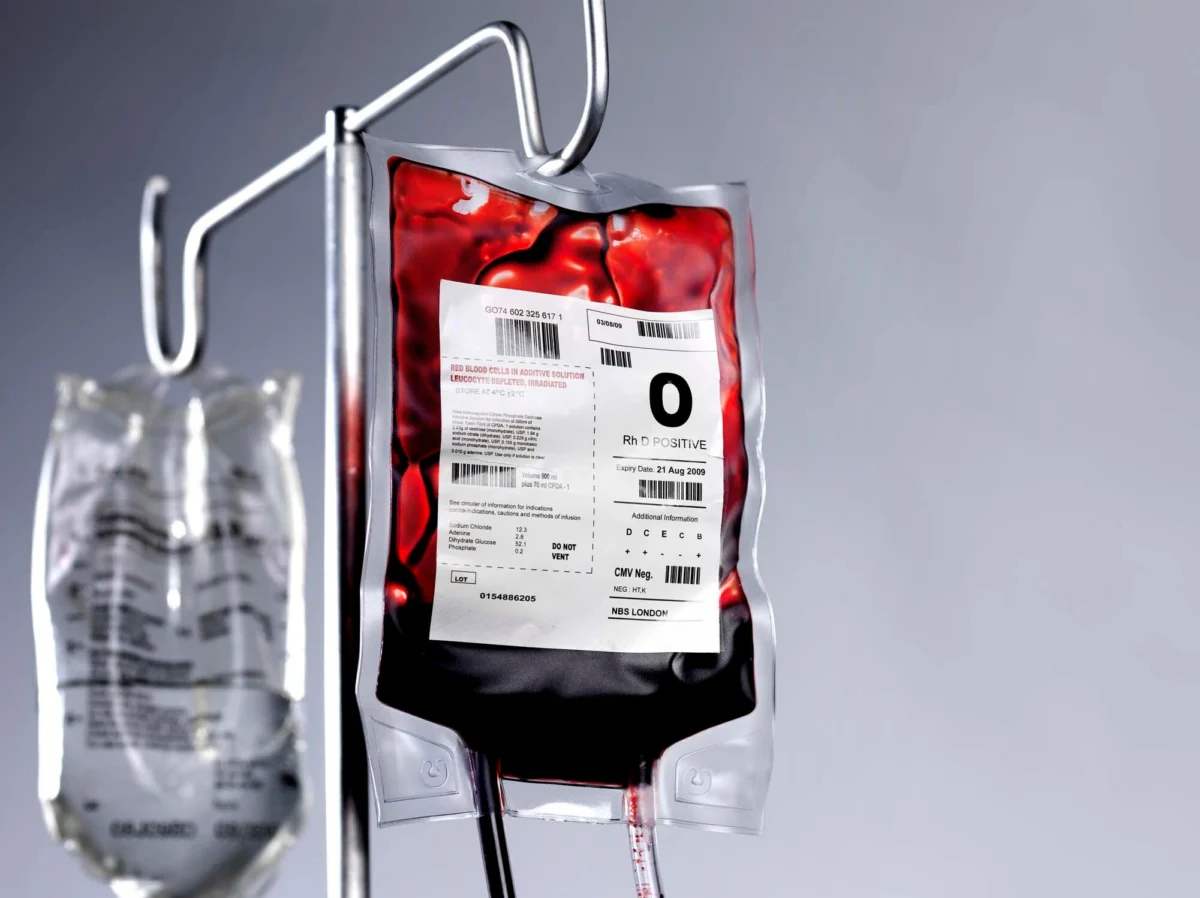
"While celebrities frame plasma exchange as a metabolic reset for the modern age, the medical community warns that removing life-sustaining antibodies for unproven longevity benefits may compromise the immune system more than it cleanses the blood."
The rise of the "longevity economy" has transitioned from simple dietary supplements to invasive medical interventions once reserved for the critically ill. At the center of this shift is plasmapheresis—a process often marketed by influencers as a "blood detox"—which involves the mechanical separation and replacement of a patient’s plasma. As high-profile figures like Joe Rogan and Bryan Johnson champion the procedure for its purported ability to strip the body of inflammatory proteins and environmental toxins, a growing rift has formed between the biohacking community and clinical practitioners who argue that the risks of such elective procedures far outweigh the anecdotal rewards.
The Mechanics of Plasmapheresis
To understand the controversy, one must first understand the biological role of plasma. Blood is not a monolithic fluid; it is a complex suspension of red blood cells, white blood cells, and platelets within a liquid matrix known as plasma. This straw-colored fluid makes up about 55% of total blood volume and serves as the primary transport medium for nutrients, hormones, and waste products. More importantly, plasma contains essential proteins, including albumin, which maintains osmotic pressure, and various globulins that function as the body’s primary antibodies.
In a clinical setting, plasmapheresis, or Total Plasma Exchange (TPE), utilizes a centrifuge or a specialized filtration system. The patient’s blood is drawn and cycled through a machine that separates the cellular components from the plasma. In TPE, the patient’s own plasma is discarded entirely. Because the sudden loss of such a massive volume of fluid would lead to immediate circulatory collapse, it is replaced with a substitute—usually a combination of saline and human albumin. The "cleansed" blood, now containing the original cells but a synthetic or donor-derived liquid base, is then returned to the patient.
When influencers post photos of yellow fluid in medical bags, they are displaying the discarded plasma. While these images are often presented as "proof" of extracted toxins, medical experts point out that the yellow hue is entirely normal. It is the result of bilirubin—a byproduct of the natural breakdown of red blood cells—and other standard metabolic components. The visual "ick factor" of the yellow fluid is a marketing tool for the longevity movement, but it does not inherently indicate a high toxic load.
The Influencer Narrative: From Joe Rogan to Bryan Johnson
The current obsession with plasmapheresis is driven largely by the anecdotal successes of prominent biohackers. Joe Rogan recently shared his experience with the procedure, likening it to an "oil change" for the human body. He claimed the process removes inflammatory proteins and toxins that accumulate over time, reporting improved sleep scores and enhanced physical recovery.

Similarly, Bryan Johnson, a tech entrepreneur famous for his multimillion-dollar "Project Blueprint" to reverse his biological age, has integrated TPE into his rigorous regimen. Johnson’s narrative often leans into the "purity" of the blood; he famously shared an anecdote where a technician allegedly marveled at the cleanliness of his plasma, claiming it was the "cleanest" they had ever seen. Such stories create a powerful, if scientifically thin, allure: the idea that one can simply "wash away" the biological debris of aging.
Clinical Reality vs. Wellness Aspiration
The medical community views the elective use of plasmapheresis with significant skepticism. Traditionally, TPE is a high-stakes intervention used to treat severe, often life-threatening conditions. It is a frontline treatment for autoimmune disorders like Guillain-Barré syndrome, Myasthenia Gravis, and Chronic Inflammatory Demyelinating Polyneuropathy (CIDP). In these cases, the body produces pathogenic antibodies that attack its own tissues; removing the plasma effectively removes the "weaponry" of the autoimmune system.
Dr. Brian Walcott, a neurosurgeon at Santa Barbara Cottage Hospital, emphasizes that the procedure is designed to help those who are sick, not to optimize those who are well. "It’s a well-known medical treatment that’s been around for decades," he notes, "but it helps people who are sick, not people who are well."
The leap from treating a patient with a paralyzed nervous system to helping a healthy 40-year-old "feel better" is a chasm that current clinical data does not bridge. While influencers point to reduced inflammation, doctors warn that the "clean slate" provided by TPE is temporary and potentially dangerous.
The Microplastic Question
One of the most modern justifications for elective plasmapheresis is the removal of microplastics. As global concern over plastic contamination in human blood and organs grows, the idea of "filtering" these particles out of the bloodstream has gained traction. A 2025 study is frequently cited by the longevity crowd as evidence that plasmapheresis can reduce the concentration of microplastic-like particles in the blood.
However, toxicologists like Dr. Kelly Johnson-Arbor urge caution when interpreting these findings. The study in question was extremely small, involving only 21 participants, and lacked a robust numerical assessment of plastic levels before and after the procedure. Furthermore, the study was funded by a company with a financial interest in the proliferation of plasmapheresis as a therapeutic treatment.
There is also a profound irony in using plasmapheresis to combat microplastics: the procedure itself utilizes extensive lengths of medical-grade plastic tubing and plastic collection bags. Doctors point out that the very act of circulating blood through a plastic machine could, in theory, introduce new microplastics or plasticizers into the patient’s system. Moreover, microplastics are not confined to the blood; they are lipophilic and sequester themselves in the brain, liver, prostate, and other tissues. Even if the blood is successfully filtered, the "reservoir" of plastics in the organs would likely leach back into the bloodstream shortly after the procedure.
The Biological and Financial Risks
The risks of elective plasmapheresis are not merely theoretical. Because the procedure removes the patient’s plasma, it also removes their antibodies (immunoglobulins) and clotting factors. This leaves the individual in a state of temporary immunosuppression. Dr. Walcott warns that the immune system does not "bounce back" immediately; it can take months for the body to replenish its natural defenses. For a healthy person, this means an increased susceptibility to infections and a diminished ability to mount an immune response—a high price to pay for an unproven longevity benefit.
Physically, the procedure can cause significant side effects. The rapid shifting of fluids can lead to hypotension (low blood pressure), fainting, and irregular heart rhythms. There is also the risk of citrate toxicity; citrate is used as an anticoagulant during the procedure to keep the blood from clotting in the machine, and it can bind to the calcium in the patient’s blood, leading to tingling, muscle cramps, or more severe cardiac issues.
Then there is the matter of cost. A single session of plasmapheresis can cost between $5,000 and $15,000. For many in the longevity community, this is viewed as a "premium" health investment. However, when compared to the free or low-cost interventions with proven longevity benefits—such as high-intensity interval training, consistent sleep hygiene, and a Mediterranean-style diet—the value proposition of TPE becomes difficult to justify.
The Future of Longevity Science
The fascination with plasmapheresis is part of a broader trend of "techno-optimism" in wellness, where the goal is to bypass the slow, difficult work of lifestyle changes through expensive, high-tech interventions. While research into blood-based factors of aging—such as the study of "young blood" or parabiosis in mice—continues to be a legitimate field of scientific inquiry, the translation of these concepts into commercial clinics is premature.
For now, the medical consensus remains firm: plasmapheresis is a vital, life-saving tool for the treatment of specific diseases, but it is not a fountain of youth. Until large-scale, double-blind, placebo-controlled trials can prove that the removal of plasma extends human lifespan or improves healthspan in healthy individuals, the "oil change" for the blood remains a high-risk gamble with a very high price tag. As Dr. Johnson-Arbor concludes, "Until more research is conducted… people should not use this treatment to prevent aging."
