
"When athletes sustain multiple injuries, even in the same game, separate and thorough evaluations are paramount for accurate diagnosis, effective treatment, and a safe return to play, recognizing that each ailment possesses its own unique healing trajectory."
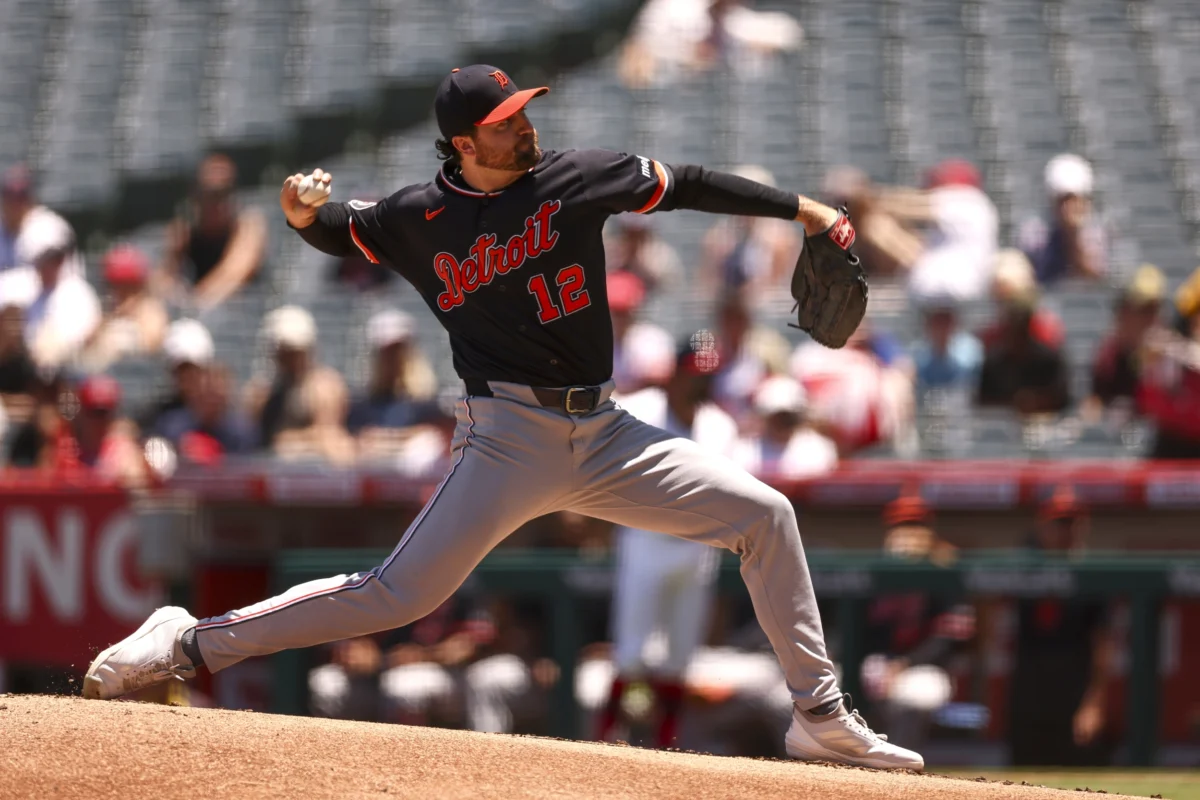
Detroit Tigers pitcher Casey Mize’s recent departure from a game against the Los Angeles Angels due to a combination of a hit to his pitching wrist and subsequent groin tightness serves as a compelling illustration of the intricate challenges faced by athletes in managing and recovering from physical ailments. This incident, while seemingly straightforward, highlights a broader, often underestimated, aspect of sports medicine: the necessity of independently assessing and treating each injury, regardless of how they manifest concurrently. The cautious approach taken by the Tigers’ medical staff underscores the principle that even seemingly minor setbacks can significantly impact an athlete’s performance and, more critically, increase the risk of further injury if not addressed with meticulous care and individualized rehabilitation protocols.
Mize’s outing took a significant turn when a powerfully struck comebacker made contact with his pitching wrist. Despite initially remaining in the game, he later experienced groin tightness, a development that prompted the team’s medical and coaching staff to err on the side of caution and remove him from the contest. The subsequent evaluation process, which focused on each injury distinctly, revealed the nuanced reality of athletic recovery. While early indications suggested that the groin tightness was not severe, the wrist injury required more comprehensive assessment to rule out any structural damage. This dual-pronged approach is not merely a procedural formality; it reflects the fundamental understanding that a pitcher’s efficacy hinges on the synchronized function of both their dominant arm and their entire lower kinetic chain. Any compromise in either of these critical areas, however subtle, can lead to compensatory adjustments in biomechanics, thereby elevating the likelihood of secondary injuries.
The distinct nature of Mize’s injuries necessitates a detailed examination of each. The wrist, a marvel of anatomical complexity, is susceptible to a range of traumas when subjected to direct impact. Being struck by a line drive, as Mize experienced, can inflict damage upon the intricate network of small bones, ligaments, tendons, and surrounding soft tissues that constitute this vital joint. The severity of such blunt-force trauma can vary dramatically, from a mild contusion causing temporary discomfort to a more significant fracture or ligamentous tear requiring extensive intervention. Diagnosing these injuries typically involves a comprehensive physical examination by a medical professional, where palpation, range of motion assessments, and tests for stability are conducted. Advanced imaging techniques, such as X-rays, are crucial for identifying fractures, while Magnetic Resonance Imaging (MRI) can provide detailed views of soft tissues, revealing ligament tears or tendon damage that may not be apparent on initial X-rays. The symptoms associated with wrist injuries can range from localized pain and swelling to bruising, limited mobility, and a palpable deformity in cases of fracture. Treatment strategies are tailored to the specific diagnosis. Minor bruises often respond well to conservative measures including rest, application of ice, compression to reduce swelling, and modification of activities to prevent further aggravation. However, more severe injuries, such as fractures or significant ligamentous tears, may necessitate immobilization through casts or splints, followed by a structured physical therapy program to restore strength and function. In some instances, surgical intervention might be required to repair damaged structures and ensure optimal long-term recovery. The recovery timeline for wrist injuries is highly variable, spanning from a few days for a minor bruise to several months for more complex structural damage.
In parallel, Mize’s groin tightness points to a different category of injury, typically involving the musculature and connective tissues of the inner thigh. As explained by the Cleveland Clinic, groin tightness often implicates the adductor muscle group, which plays a pivotal role in stabilizing the hips during dynamic movements such as running, pivoting, and pitching. Unlike the acute, external force that can cause wrist trauma, groin injuries are more commonly the result of gradual overuse, sudden overstretching, or repetitive strain accumulated over time. The evaluation of these soft-tissue injuries begins with a thorough medical history, focusing on the onset of pain, the specific activities that exacerbate it, and any prior instances of groin discomfort. A physical examination involves assessing the affected area for tenderness, swelling, and any observable muscle asymmetry. Range of motion tests, particularly those that involve abduction and adduction of the hip, are used to pinpoint the involved muscles and gauge the extent of the strain. Imaging modalities such as ultrasound can be beneficial in visualizing muscle fibers and detecting tears or inflammation, while MRI can offer a more detailed assessment of deeper muscle structures and surrounding tissues. Symptoms of groin tightness and strain typically include pain in the inner thigh or groin area, a sensation of stiffness or pulling, pain that intensifies with movement, and sometimes bruising or swelling, particularly in more severe strains. The treatment for groin injuries generally follows a conservative path, emphasizing rest from aggravating activities, application of ice to reduce inflammation, and gradual initiation of stretching and strengthening exercises. Physical therapy is a cornerstone of rehabilitation, guiding athletes through a progressive program designed to restore flexibility, strength, and endurance to the affected muscles. For more significant muscle tears, a longer and more intensive rehabilitation period is required before an athlete can safely return to the demands of competitive sports.
The critical importance of separate evaluations for Mize’s wrist and groin issues cannot be overstated. Sports medicine research consistently emphasizes that athletes presenting with multiple injuries require individualized assessments because each injury operates on its own unique healing timeline and presents distinct rehabilitation challenges. A wrist injury might heal remarkably quickly, allowing for a swift return to pre-injury activities, while a groin strain could persist as a limiting factor, restricting movement and demanding a more prolonged recovery period, or vice versa. Physicians, therefore, must meticulously evaluate each injury independently to formulate an accurate diagnosis and an appropriate treatment plan. This granular approach is essential for making informed return-to-play decisions. These decisions are not solely based on the absence of pain but encompass a multifaceted evaluation of factors such as remaining pain levels, restored muscle strength, joint stability, regained range of motion, functional performance during sport-specific drills, and, crucially, the risk of re-aggravating the injury. For pitchers, the stakes are particularly high. Even minor deficits in wrist mobility, which is essential for precise ball control and velocity, or a reduction in lower-body strength, vital for generating power and maintaining balance, can subtly but significantly alter throwing mechanics. These alterations can not only impede performance but also create undue stress on other parts of the body, potentially leading to a cascade of new injuries.
Casey Mize’s early exit from the game serves as a potent reminder that athletes are not always confined by a single affliction. In numerous scenarios, medical teams are tasked with navigating the complexities of multiple concurrent problems, each demanding its own specific diagnosis, tailored treatment strategy, and individualized recovery schedule. This principle extends far beyond the realm of professional baseball. Individuals who experience injuries following falls, motor vehicle accidents, or workplace incidents often present with a constellation of ailments that necessitate a comprehensive medical evaluation, rather than a singular focus on the most acutely painful symptom.
For aspiring baseball players, Mize’s experience reinforces a fundamental tenet of athletic health: the imperative of honestly reporting every injury, regardless of its perceived minor nature. The temptation to "play through" discomfort, whether it be wrist pain or the subtle limitations imposed by a developing groin tightness, can lead to detrimental compensatory mechanisms. These adaptations can fundamentally alter an athlete’s biomechanics, thereby escalating the risk of more severe and potentially career-altering injuries. Ultimately, the safest and most effective pathway back to competition, whether on a Major League mound or a local baseball field, is paved with prompt and thorough medical evaluation, diligent adherence to individualized rehabilitation protocols, and a commitment to allowing the body adequate time to heal and recover fully.
