
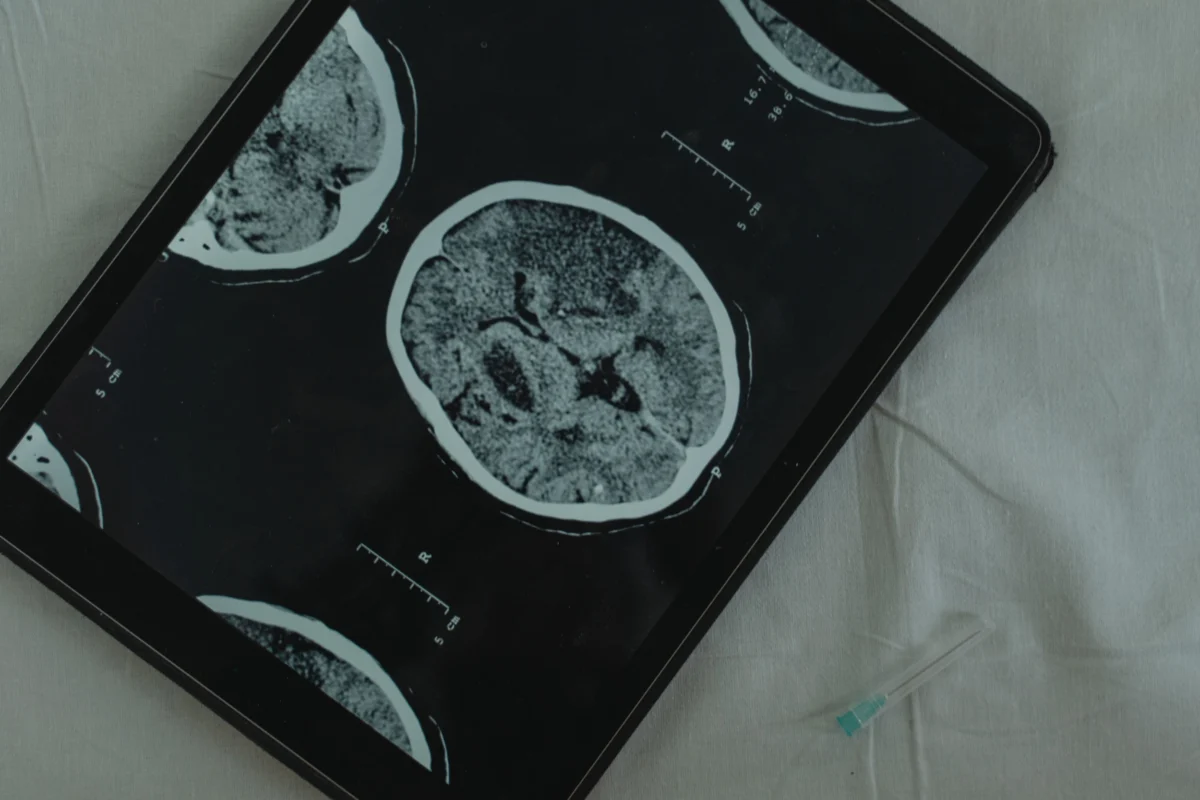
"The passing of David J. C. Austin, a pivotal figure in the world of horticulture, brings a rare and devastating neurological disease, Creutzfeldt-Jakob disease (CJD), into sharper public focus, underscoring the importance of awareness for even the most uncommon afflictions."
The horticultural community is in mourning following the death of David J. C. Austin, chairman of the globally recognized rose breeding company, David Austin Roses. Mr. Austin passed away at the age of 67 after being diagnosed with Creutzfeldt-Jakob disease (CJD). His family’s announcement of his death has triggered a wave of tributes from colleagues, gardening enthusiasts, and various organizations, all acknowledging his significant role in perpetuating the esteemed legacy of one of Britain’s most influential rose breeders. Mr. Austin’s passing also shines a stark light on Creutzfeldt-Jakob disease, an exceptionally rare but invariably fatal neurological disorder that attacks the brain with alarming speed. While CJD affects only a small number of individuals worldwide each year, its rapid progression and the absence of any cure make public awareness and access to accurate information critically important.
An Aggressive and Rapid Illness That Ended a Distinguished Career
Those who knew David J. C. Austin consistently praised his profound passion for cultivating roses and his dedicated efforts to continue the pioneering work initiated by his father, David C. H. Austin. The elder Austin’s development of the iconic "English roses" garnered international acclaim, and his son was instrumental in nurturing and expanding this horticultural achievement. Condolence messages pouring in from industry organizations, employees, and loyal customers reflect the widespread respect and admiration Mr. Austin earned throughout his distinguished career. His commitment to the family business and his contributions to the world of horticulture were clearly deeply valued.
Beyond honoring his personal legacy, Mr. Austin’s passing has regrettably brought into the spotlight a disease that remains unfamiliar to many, despite its profoundly devastating effects. Creutzfeldt-Jakob disease is characterized by its rapid progression once symptoms manifest, often leaving families with an agonizingly short period to come to terms with significant neurological decline. This swift and unforgiving nature of the illness underscores the challenges faced by both patients and their loved ones.
Understanding Creutzfeldt-Jakob Disease (CJD)
Creutzfeldt-Jakob disease (CJD) is defined by leading health authorities such as the NHS and the Mayo Clinic as a rare, progressive, and ultimately fatal disorder affecting the brain. Its underlying cause is the presence of abnormal proteins known as prions. These misfolded proteins have the insidious ability to induce normal prion proteins within the brain to adopt aberrant shapes. This cascade effect leads to widespread and rapid degeneration of brain tissue.
CJD falls under the classification of prion diseases, also referred to as transmissible spongiform encephalopathies (TSEs). This group of disorders is characterized by the gradual destruction of nerve cells, resulting in the brain acquiring a porous, sponge-like appearance when examined microscopically. The term "spongiform" directly refers to this distinctive pathological hallmark.
The Various Forms of CJD
While the precise mechanisms behind the onset of CJD can vary, it is understood to manifest in several distinct forms:
-
Sporadic CJD: This is the most common form, accounting for approximately 85% of all cases. In these instances, the disease appears to arise spontaneously, with no identifiable cause or inherited genetic predisposition. The exact trigger for the misfolding of prion proteins in sporadic CJD remains a subject of ongoing research.
-
Genetic (Familial) CJD: Representing about 10-15% of cases, this form is linked to an inherited mutation in the prion protein gene (PRNP). Individuals with this mutation have an increased risk of developing CJD during their lifetime. It is important to note that not everyone with the mutation will necessarily develop the disease.
-
Acquired CJD: This rare form, accounting for less than 5% of cases, is caused by external exposure to the CJD agent. This can occur through specific medical procedures (iatrogenic CJD), such as the use of contaminated surgical instruments or, historically, the transplantation of dura mater or the administration of growth hormone derived from human pituitary glands. Variant CJD (vCJD), often referred to as the "mad cow disease" form, is a type of acquired CJD linked to the consumption of meat contaminated with the bovine spongiform encephalopathy (BSE) agent. While measures have been put in place to prevent the transmission of vCJD, its historical impact highlights the potential for zoonotic transmission of prion diseases.
Recognizing the Symptoms of CJD
The symptoms of Creutzfeldt-Jakob disease typically emerge and worsen with alarming rapidity, often leading to significant distress for both patients and their families. While the specific presentation can vary, common neurological and psychiatric manifestations include:
-
Rapidly progressive dementia: This is often the most prominent symptom, characterized by a swift decline in cognitive abilities, including memory loss, confusion, and difficulty with thinking and problem-solving. Individuals may struggle with judgment and decision-making.
-
Behavioral and psychiatric changes: These can include personality shifts, increased anxiety, depression, irritability, hallucinations, and delusions. Individuals may exhibit uncharacteristic agitation or apathy.
-
Myoclonus (involuntary muscle jerks): Sudden, brief, and often repetitive muscle spasms are a hallmark symptom of CJD. These can affect various parts of the body and may be exacerbated by external stimuli.
-
Coordination problems (ataxia): Difficulty with balance and coordination can lead to unsteadiness, stumbling, and a clumsy gait. This impacts motor skills and can make simple movements challenging.
-
Visual disturbances: Blurred vision, double vision, or other visual impairments can occur as the disease affects the brain regions responsible for processing visual information.
-
Speech and language difficulties: Individuals may experience problems with articulation, finding the right words, or understanding spoken language.
-
Other neurological signs: These can include tremors, involuntary movements, muscle stiffness, and sensory disturbances.
As the disease progresses, patients typically experience a profound loss of independence. They often become unable to communicate effectively, move on their own, or manage basic self-care tasks, necessitating constant attention and support.
The Diagnostic Process for CJD
Diagnosing Creutzfeldt-Jakob disease is a complex process that typically involves a careful combination of clinical assessment and specialized diagnostic tests. Physicians rely on a comprehensive neurological examination to evaluate a patient’s symptoms, reflexes, coordination, and cognitive function. Brain imaging techniques, particularly magnetic resonance imaging (MRI), play a crucial role in detecting characteristic patterns of brain damage associated with CJD, such as increased signal intensity in specific brain regions.
Electroencephalograms (EEGs) can also provide valuable information by recording the brain’s electrical activity, which may reveal characteristic patterns in CJD patients. Cerebrospinal fluid (CSF) analysis, obtained through a lumbar puncture (spinal tap), is another key diagnostic tool. Specialized tests can detect the presence of certain biomarkers, such as the 14-3-3 protein, which are often elevated in the CSF of individuals with CJD, although these are not entirely specific to the disease. In some instances, advanced laboratory testing may be employed to directly detect abnormal prion proteins. While a definitive diagnosis of CJD can ultimately only be confirmed through the examination of brain tissue, this is not always feasible or performed during a patient’s lifetime.
Current Treatment Landscape for CJD
Regrettably, there is currently no cure for Creutzfeldt-Jakob disease, and no treatment has been scientifically proven to halt or reverse its relentless progression. The medical approach to CJD is therefore primarily focused on supportive care, aiming to alleviate symptoms, maintain patient comfort, and provide comprehensive support to both the affected individuals and their families.
Treatment strategies are tailored to the specific needs of each patient and may include:
-
Pain Management: Medications are used to manage any pain or discomfort experienced by the patient.
-
Symptom Control: Medications can be prescribed to reduce muscle spasms or involuntary movements (myoclonus), and to manage agitation or anxiety.
-
Nutritional Support: Ensuring adequate hydration and nutrition is vital, especially as swallowing difficulties may arise. This may involve the use of feeding tubes in later stages.
-
Palliative Care: Palliative care services play an essential role in managing symptoms, providing emotional and spiritual support, and ensuring the patient’s dignity and quality of life are maintained throughout the illness.
Risk Factors and Prevention Strategies
The vast majority of sporadic CJD cases occur without any identifiable risk factors and, consequently, cannot be prevented through lifestyle modifications. However, public health authorities have implemented stringent measures that have significantly reduced the already low risk of acquired and variant forms of the disease. These preventive strategies are critical in safeguarding public health:
-
Sterilization Protocols: Strict protocols for the sterilization of surgical instruments used in neurosurgery and ophthalmology are in place to prevent the transmission of prions.
-
Blood Product Safety: Measures have been implemented to ensure the safety of blood products, including screening and deferral of certain donors, to mitigate the risk of CJD transmission.
-
Human Tissue Safety: Regulations govern the sourcing and use of human tissues, such as dura mater grafts and pituitary-derived hormones, to prevent the spread of prion diseases.
-
Bovine Spongiform Encephalopathy (BSE) Control: Robust measures have been put in place to control BSE in cattle, which has effectively eliminated the risk of variant CJD transmission through the food chain in many regions.
Given that sporadic CJD arises spontaneously, there are no known lifestyle changes or dietary adjustments that can definitively prevent its occurrence.
An Alarming Disease That May Come Up Unexpectedly
The passing of the esteemed chairman of David Austin Roses has, for many, introduced them to a disease they may have previously had little or no knowledge of. Creutzfeldt-Jakob disease, while exceptionally rare, stands out due to its rapid progression and devastating neurological impact, positioning it among the most serious and formidable disorders affecting the brain. Mr. Austin’s poignant case serves as a critical reminder that even in the face of widespread medical advancements, rare diseases continue to affect families across the globe.
Mr. Austin’s situation also underscores the paramount importance of recognizing persistent or rapidly worsening neurological symptoms. While conditions like rapidly worsening memory problems, unexplained changes in behavior, significant coordination difficulties, or sudden cognitive decline are far more likely to stem from other, more common medical issues, they should always prompt prompt and thorough medical evaluation. Early and accurate diagnosis, even for rare conditions, is crucial for appropriate management and support.
For the general public, Mr. Austin’s passing is a sobering reminder of the unpredictable nature of human health and the existence of uncommon but devastating neurological disorders. Continued investment in research into prion diseases, advancements in diagnostic testing capabilities, and the ongoing maintenance of robust public health safeguards remain absolutely essential in improving our understanding, management, and ultimately, our ability to combat these challenging conditions.
